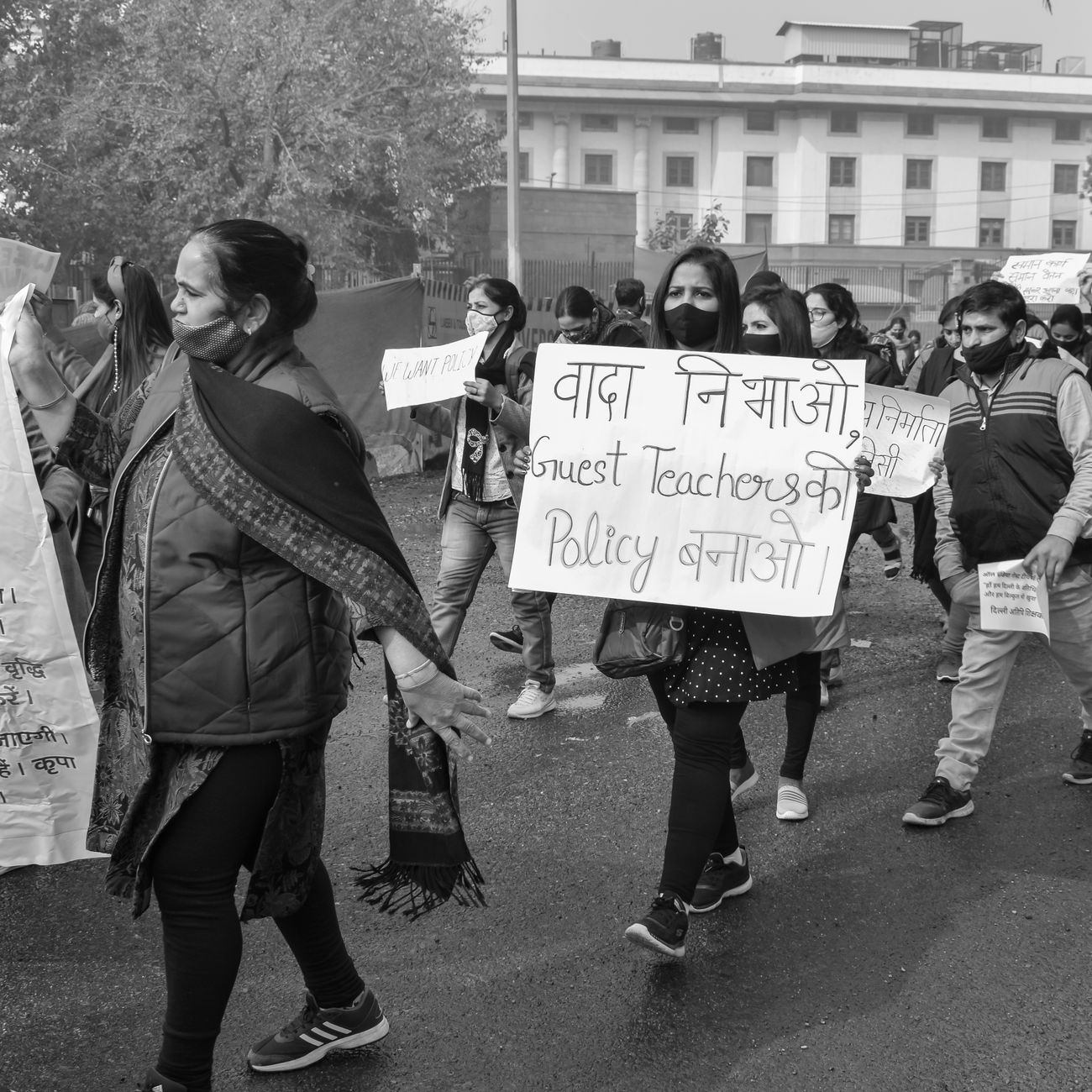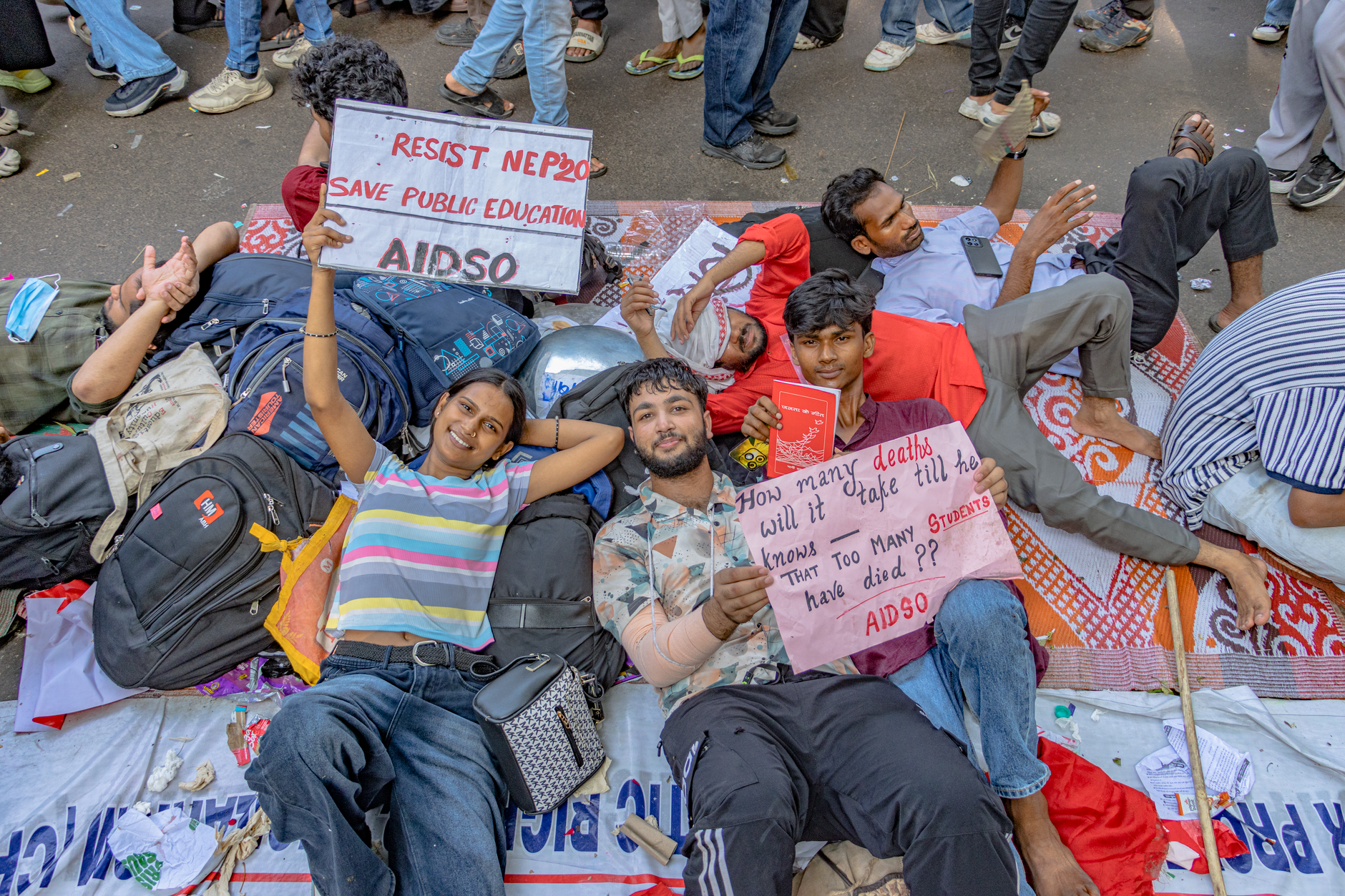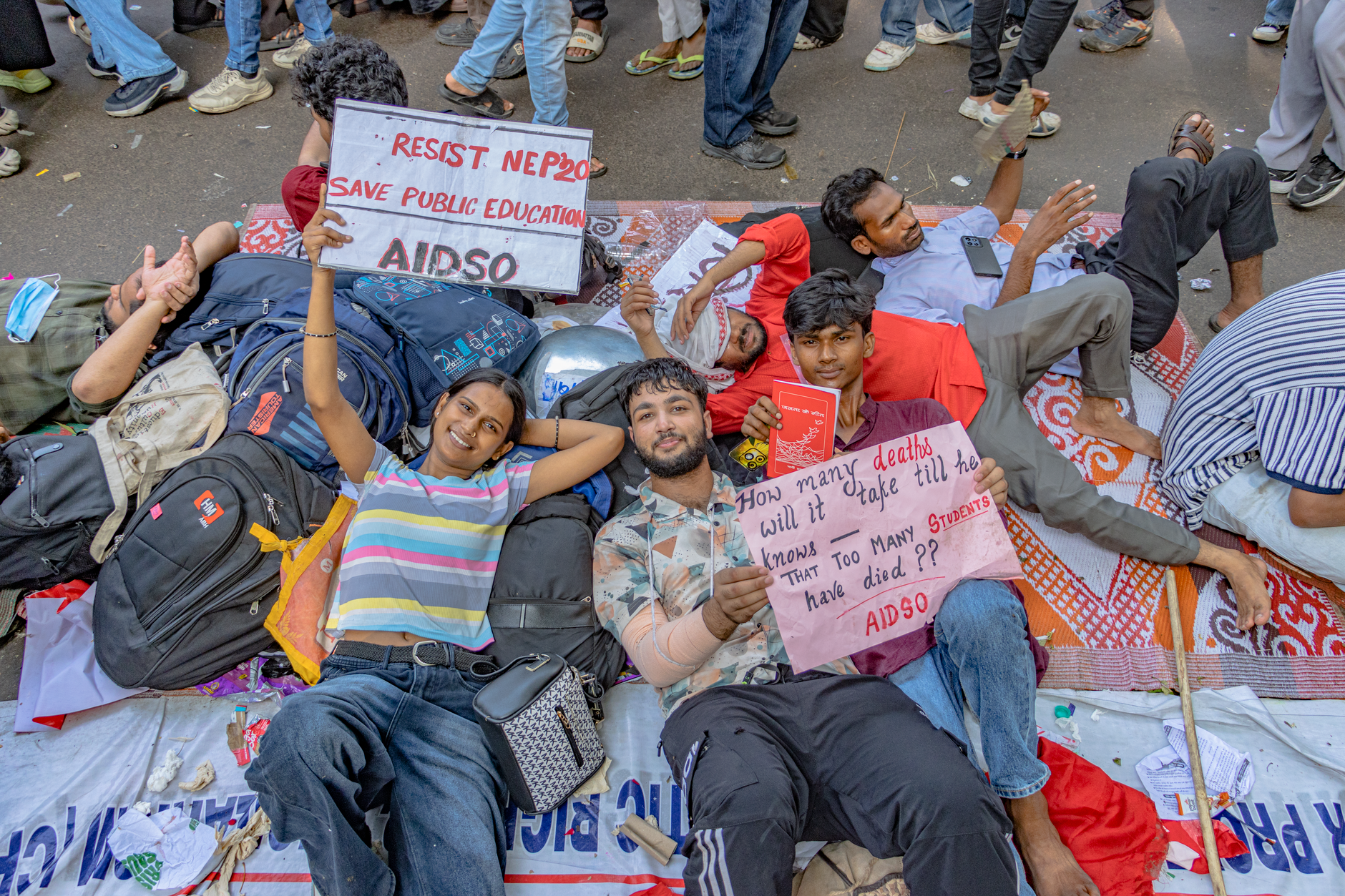
The recent resignation of India's education minister following sustained youth-led protests represents a significant victory for student activism in the country. However, this development also raises critical questions about what comes next for India's education system and whether the momentum can be channeled into meaningful reform.
The Power of Student Mobilization
Youth-led movements in India have historically played pivotal roles in shaping policy discourse, from the independence struggle to more recent protests around reservation policies and fee hikes. The current movement demonstrates the growing political consciousness among students who are increasingly willing to challenge the status quo when they perceive systemic failures in the education sector.
The success in forcing a ministerial resignation shows that sustained, organized pressure can yield results even against entrenched political interests. Students leveraged social media platforms, organized coordinated demonstrations across multiple cities, and built coalitions with academic institutions, parent groups, and civil society organizations to amplify their demands.
Key Grievances Driving the Movement
Several interconnected issues have fueled student discontent with the education establishment:
- Rising education costs and the increasing financial burden on middle-class families
- Concerns about the quality and relevance of curriculum in preparing students for modern careers
- Administrative inefficiencies in examination systems and university admissions processes
- Allegations of ideological interference in academic institutions and curriculum design
- Inadequate infrastructure and resource allocation to government schools and universities
- Growing unemployment among educated youth despite obtaining degrees
These concerns reflect broader anxieties about whether India's education system is adequately preparing its massive youth population for the challenges of the 21st century economy.
The Challenge of Succession
The appointment of a new education minister will be closely watched by the student movement and education stakeholders. The successor will inherit a portfolio fraught with challenges and heightened scrutiny. Student groups have already indicated they will evaluate the new minister's track record, qualifications, and stated priorities before determining their next moves.
There is significant debate about whether the new appointee should be a technocrat with educational administration experience or a politician with the clout to push reforms through bureaucratic resistance. Either choice carries risks and opportunities.
From Protest to Policy
The more difficult task ahead involves translating protest energy into concrete policy achievements. History shows that ministerial resignations, while symbolically important, do not automatically lead to systemic change. The youth movement now faces several critical decisions:
First, activists must articulate a clear, actionable reform agenda beyond their opposition to the previous minister. This requires moving from criticism to constructive proposal-making, engaging with the complexities of educational administration, and building consensus around priority reforms.
Second, the movement needs to maintain organizational cohesion and public support during the potentially lengthy process of policy implementation. Protest movements often struggle to sustain momentum once immediate targets are achieved.
Third, student leaders must decide whether to engage directly with the new administration or maintain an outside pressure strategy. Some level of dialogue may be necessary to influence policy, but cooperation risks co-optation.
Broader Implications for Indian Democracy
This episode reflects important trends in Indian democracy, particularly the growing assertiveness of youth in political discourse. With over 65% of India's population under age 35, youth concerns are increasingly central to national politics.
The success of this movement may inspire similar mobilizations around other policy areas where young Indians feel their interests are inadequately represented. It also demonstrates the power of decentralized, tech-enabled organizing in challenging traditional political hierarchies.
What Students Want
Beyond the removal of the education minister, the underlying student demands focus on fundamental reforms:
- Greater investment in public education infrastructure
- Modernization of curriculum to emphasize critical thinking and skills over rote learning
- More transparent and efficient examination and admission systems
- Protection of institutional autonomy for universities
- Improved employment linkages between education and industry
- Affordable access to quality education regardless of socioeconomic background
The Road Ahead
The coming months will test whether this youth movement can evolve from a successful protest campaign into a sustained force for educational reform. Success will require not just continued activism but also policy expertise, political negotiation skills, and the ability to build broad coalitions.
The new education minister's response to student demands will set the tone for this next phase. Whether the appointment represents genuine commitment to reform or simply political damage control remains to be seen. Either way, India's students have demonstrated they will not remain passive observers of education policy, and their voice will be a factor in shaping the sector's future.