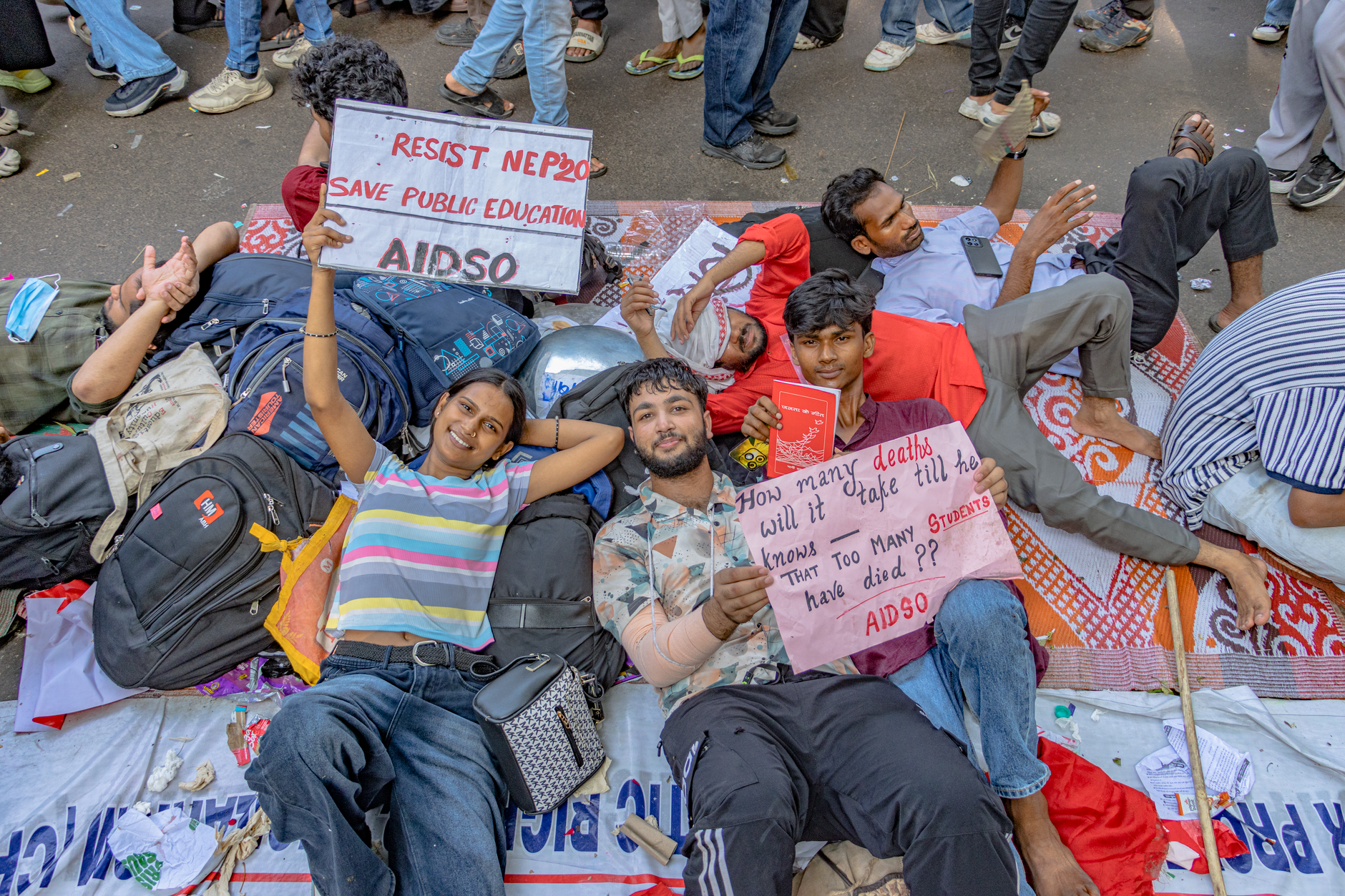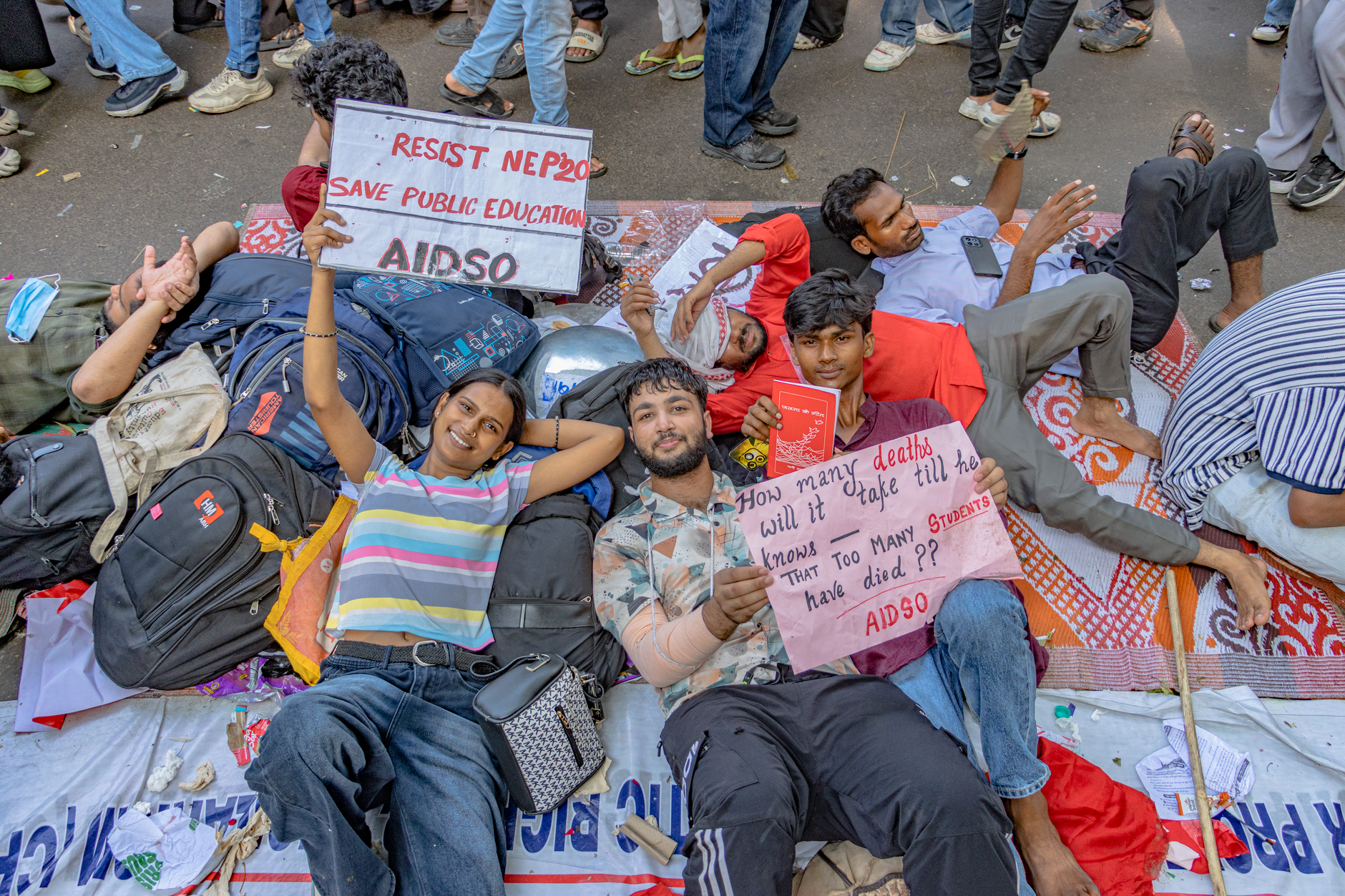
India's education system has long been a subject of debate, with recurring concerns about rote learning, examination pressure, and limited career pathways for young people. As the country's youth population continues to grow, questions about how education is governed and delivered have gained urgency. Many education reformers now advocate for greater decentralisation, arguing that transferring control from central authorities to states and local bodies could unlock innovation and better serve diverse student needs.
The Current Centralised Framework
India's education system operates under a shared responsibility model between central and state governments, as outlined in the Constitution's Concurrent List. However, major policy decisions, curriculum frameworks, and examination standards have traditionally been set by central bodies like the CBSE, NCERT, and UGC. This centralised approach was designed to maintain uniformity and standards across a vast, diverse nation.
Critics argue this model has created rigidity. A student in Kerala faces similar examination patterns and curriculum pressures as one in Rajasthan, despite vastly different regional economies, job markets, and cultural contexts. The one-size-fits-all approach may not adequately prepare students for localised opportunities or reflect regional educational priorities.
Why Decentralisation Matters
Decentralising education could offer several potential advantages for Indian students:
- States and local bodies could design curricula that reflect regional economic needs, incorporating local industries and employment patterns
- Schools might gain flexibility to experiment with teaching methods, moving beyond examination-focused learning
- Regional languages and cultural knowledge could receive greater emphasis without waiting for central approval
- Faster decision-making on infrastructure, teacher training, and resource allocation at local levels
- Competition between states could drive innovation as different regions try various educational models
Countries like Finland and Germany have demonstrated how decentralised education systems can produce strong outcomes by empowering local authorities and schools to make contextual decisions.
The Skills Gap Challenge
India faces a significant skills mismatch, where graduates often lack the practical abilities employers seek. The National Skill Development Corporation has repeatedly highlighted that only a fraction of Indian graduates are immediately employable. A decentralised system could allow states to establish closer partnerships with local industries, creating education programs aligned with regional job markets.
For instance, coastal states might emphasise maritime studies and fisheries management, while states with strong IT sectors could integrate coding and digital skills earlier in school curricula. This localised approach could make education more relevant and immediately applicable to students' futures.
Concerns About Decentralisation
Critics of decentralisation raise valid concerns. Without strong central oversight, educational quality might become uneven across states. Wealthier states could potentially pull ahead, leaving poorer regions struggling with resources and infrastructure. Mobility could also become complicated if each state develops vastly different standards, making it harder for students to transfer between regions.
There are also questions about accountability. Central standards, despite their limitations, provide measurable benchmarks. Decentralisation would require robust state-level monitoring systems to ensure quality doesn't suffer in the pursuit of flexibility.
Finding the Balance
The solution likely lies somewhere between complete centralisation and full decentralisation. The National Education Policy 2020 has already attempted some moves toward flexibility, allowing multiple entry and exit points in higher education and emphasising vocational training. However, implementation remains centralised in many respects.
A phased approach might work best, where states gain increasing autonomy over certain aspects like pedagogy and vocational training, while maintaining common standards for core subjects and competencies. This would preserve mobility and basic quality assurance while allowing innovation.
The Path Forward
For decentralisation to succeed, several elements would be necessary:
- Capacity building at state and local levels to manage educational planning and administration
- Adequate funding mechanisms that don't disadvantage poorer states
- Clear accountability frameworks with regular assessments
- Teacher training programs that equip educators for more flexible, student-centred approaches
- Technology infrastructure to share best practices between states
The debate over education governance ultimately reflects broader questions about how India balances unity with diversity, and standardisation with innovation. As millions of young Indians prepare for a rapidly changing economy, finding the right balance may be crucial to their success.
This article provides general information about education policy debates and should not be construed as specific policy recommendations. Educational decisions should be based on comprehensive research and stakeholder consultation.