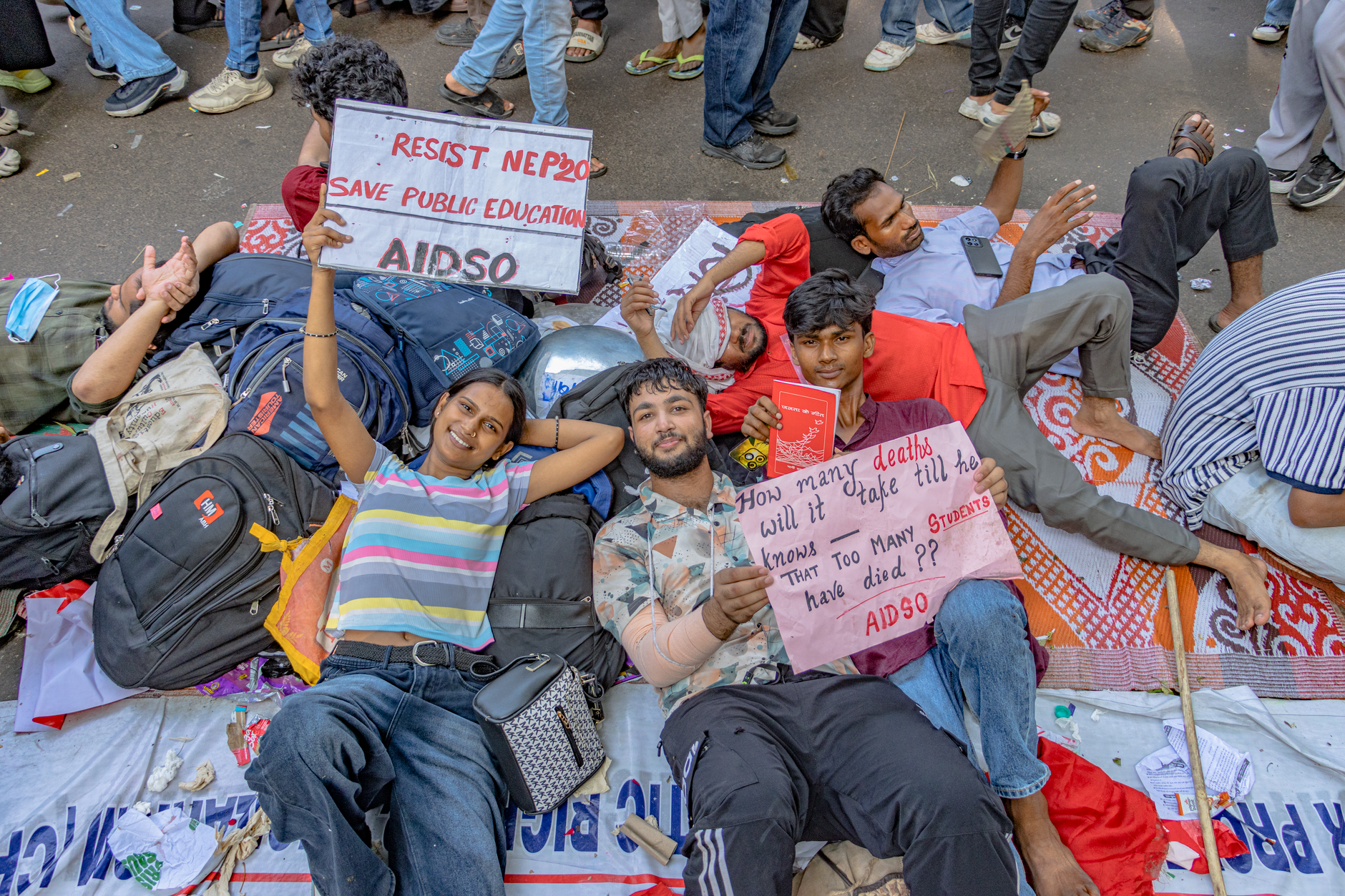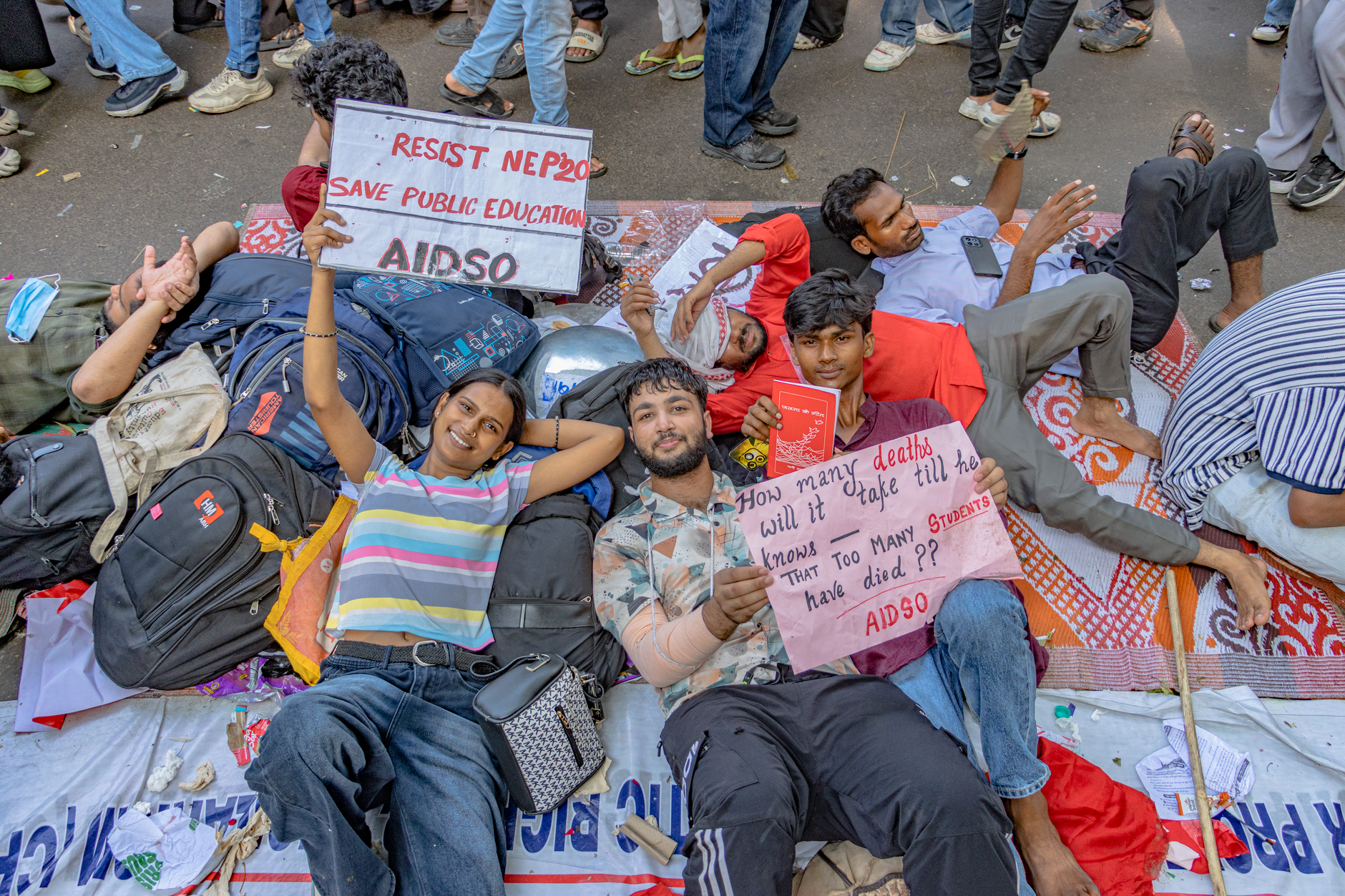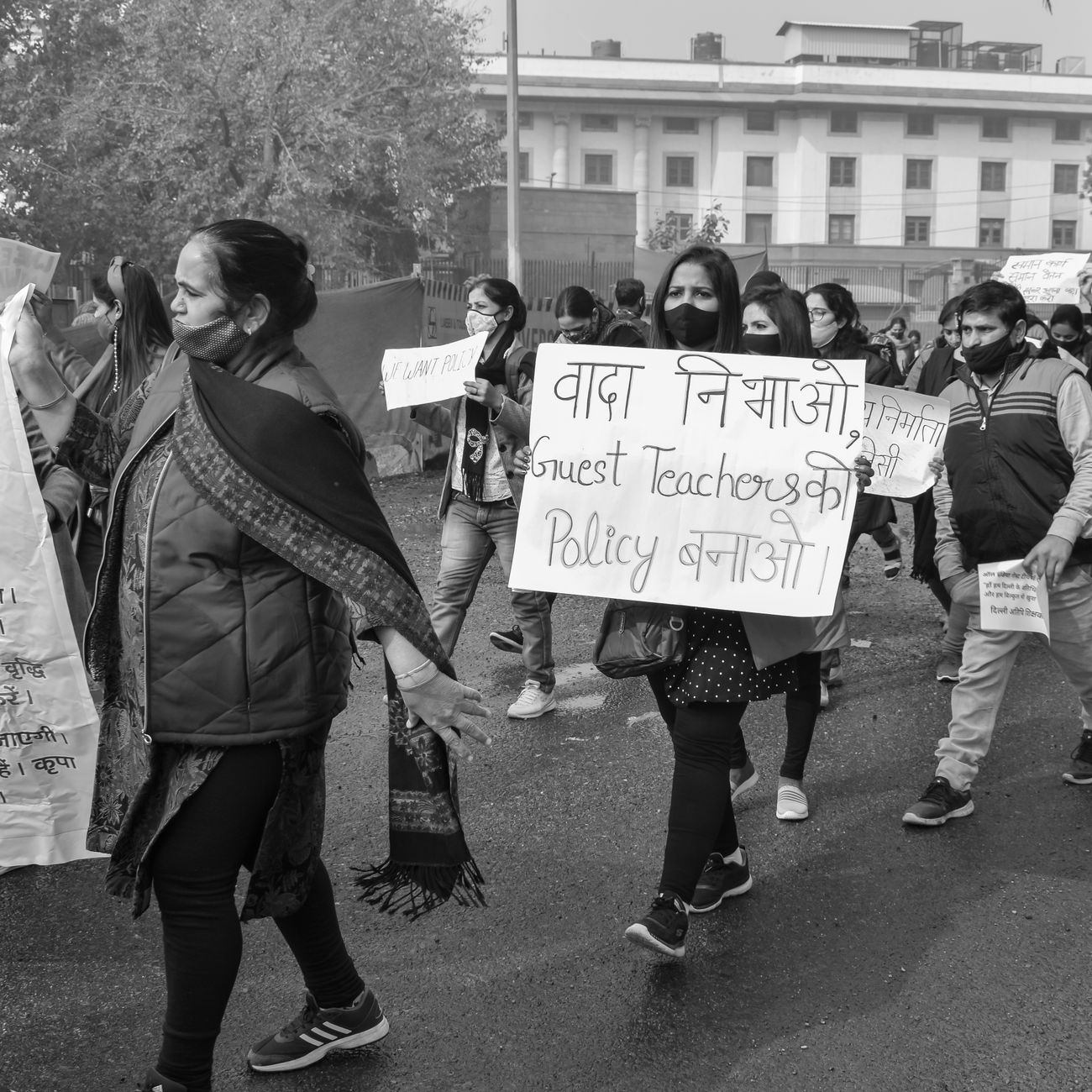
India has witnessed a dramatic turn of events in its education sector as the country's Education Minister stepped down following weeks of sustained protests by students across the nation. The resignation marks a rare instance of youth-led activism successfully pressuring a senior government official to vacate office, signaling the growing influence of student voices in shaping education policy.
The Catalyst for Mass Mobilization
Student protests in India have erupted periodically over various education-related grievances, but the recent wave of demonstrations achieved unprecedented scale and coordination. Young protesters took to the streets in major cities and university towns, demanding accountability and reforms in the education system. The movement gained momentum through social media platforms, where students shared their concerns about examination policies, curriculum changes, and access to quality education.
The demonstrations reflected deeper anxieties among India's youth population about their educational future and employment prospects. With India having one of the world's largest student populations, comprising hundreds of millions of young people, even modest policy changes can affect an enormous number of lives and families.
Key Issues Driving Student Anger
Students raised multiple concerns that fueled the protest movement. Examination reforms and changes to assessment patterns were among the primary grievances, with many arguing that new policies increased stress without improving learning outcomes. Questions about the transparency and fairness of competitive entrance examinations also featured prominently in protest demands.
Concerns about the quality and accessibility of education, particularly in rural and economically disadvantaged areas, added fuel to the movement. Students highlighted disparities in infrastructure, teacher availability, and digital resources that became especially apparent during the COVID-19 pandemic when online learning exposed the digital divide.
Changes to curriculum content and structure also sparked debate, with some students and educators questioning whether modifications served educational objectives or reflected other priorities. The speed and manner of implementing reforms, often with limited consultation with stakeholders, became a rallying point for critics.
The Power of Youth Mobilization
The success of these protests demonstrates the significant political force that India's youth can wield when mobilized around common concerns. Student movements have a long history in India, dating back to the independence struggle, and have periodically influenced policy directions on issues ranging from language policy to reservation quotas.
Modern communication technology amplified the protesters' reach and coordination capabilities. Hashtags trended nationally, videos of peaceful demonstrations circulated widely, and online petitions gathered millions of signatures. This digital dimension allowed the movement to maintain momentum and pressure even when physical gatherings faced restrictions.
The largely peaceful nature of most demonstrations also helped maintain public sympathy. Images of students holding candlelight vigils, conducting sit-ins, and engaging in constructive dialogue contrasted with any attempts to portray them as disruptive or politically motivated.
Implications for Education Policy
The minister's resignation creates both opportunity and uncertainty for India's education sector. On one hand, it opens space for renewed dialogue about the direction of education reforms and potentially more inclusive policy-making processes. Student groups and education experts may now have greater opportunity to contribute to shaping future initiatives.
However, the leadership transition also raises questions about continuity in ongoing education programs and initiatives. India's education sector faces numerous challenges, including improving learning outcomes, expanding access to quality education, upgrading infrastructure, and preparing students for a rapidly changing job market.
The event may encourage future student activism on education issues, establishing a precedent that sustained, organized pressure can yield results. This could lead to more participatory policy development, though it might also complicate the implementation of necessary but initially unpopular reforms.
Looking Ahead
The resolution of this immediate crisis does not address all the underlying concerns that drove students to protest. India's education system continues to grapple with fundamental questions about access, quality, relevance, and equity. The appointment of a new education minister will be closely watched for signals about the government's approach to these challenges.
For India's youth, this moment represents both a victory and a responsibility. Having demonstrated their ability to influence policy through organized action, students and their representatives now face the challenge of engaging constructively in the complex work of education reform. The path forward will require balancing diverse interests, evidence-based policy-making, and genuine commitment to improving outcomes for all students.
This article is for general informational purposes only and represents an overview of recent events. Readers interested in specific education policies should consult official government sources and relevant authorities for detailed and current information.