Students across India recently concluded one of the most unusual and attention-grabbing protests in recent memory – the so-called 'cockroach protest' – following the resignation of a senior education official. The movement, which captured national and international attention, highlights growing concerns about India's education system and the power of creative student activism.
What Was the 'Cockroach' Protest
The protest earned its unusual name from the symbolic tactics employed by students who released cockroaches in public spaces or used cockroach imagery to represent their grievances with the education system. This unconventional approach was designed to symbolize how problems in the education sector had become persistent, pervasive, and difficult to eliminate – much like the resilient insect itself.
Student groups utilized social media platforms to coordinate actions across multiple cities, creating a viral movement that attracted widespread media coverage. The creative nature of the protest helped amplify student voices in ways that traditional demonstrations might not have achieved.
Core Demands and Grievances
The protesting students raised several critical issues affecting India's education landscape:
- Examination paper leaks and allegations of irregularities in competitive exams
- Delays in exam results and administrative inefficiencies
- Concerns about the quality and accessibility of education
- Lack of adequate response to student complaints about systemic problems
- Transparency issues in education administration
These concerns resonated particularly with aspirants preparing for competitive examinations, where even minor irregularities can impact the futures of millions of students. India's competitive exam system serves as a gateway to government jobs, higher education, and professional opportunities, making integrity in this system absolutely crucial.
The Power of Student Activism in India
India has a long history of student-led movements that have shaped policy and brought about administrative changes. From the pre-independence era to contemporary times, students have served as a powerful voice for reform and accountability.
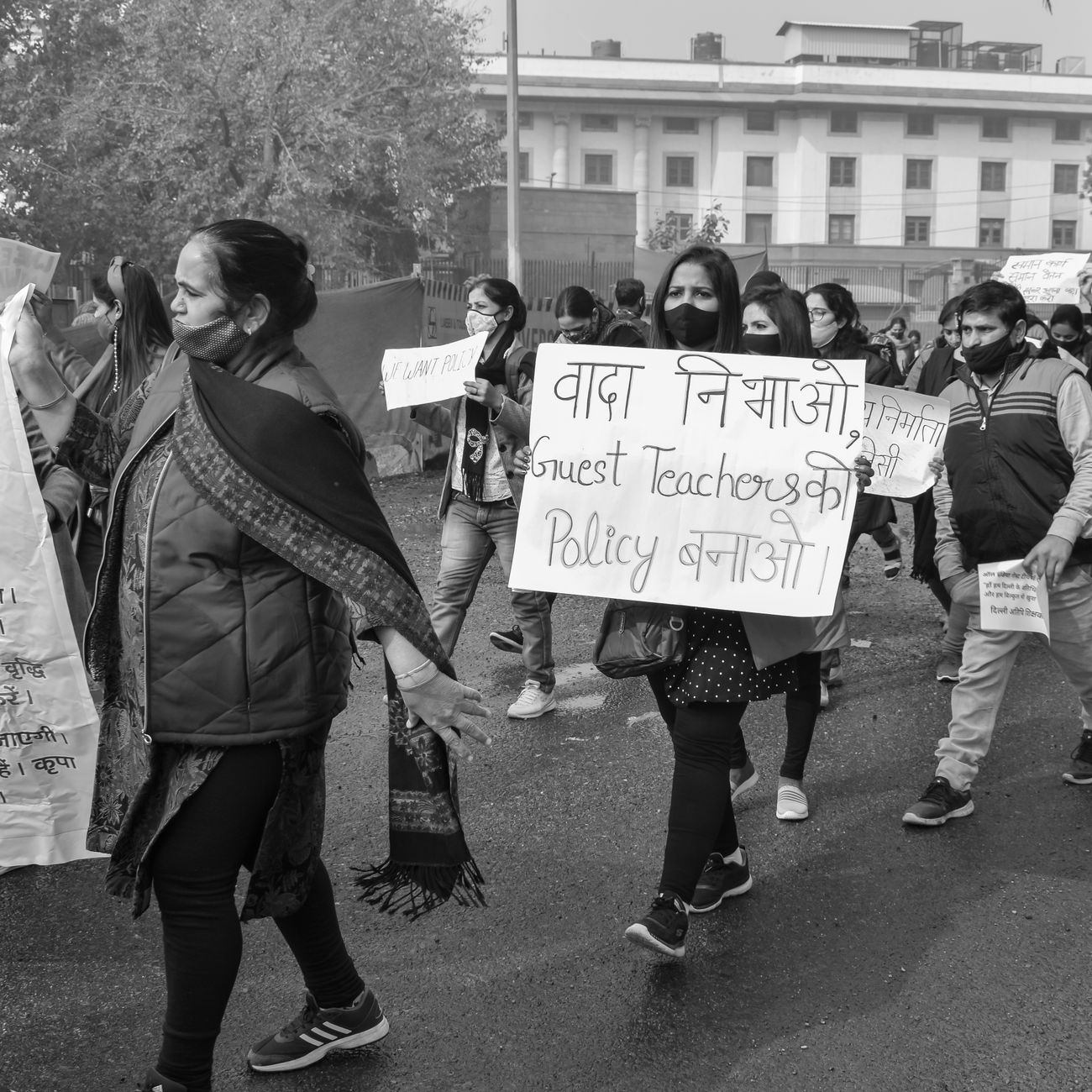
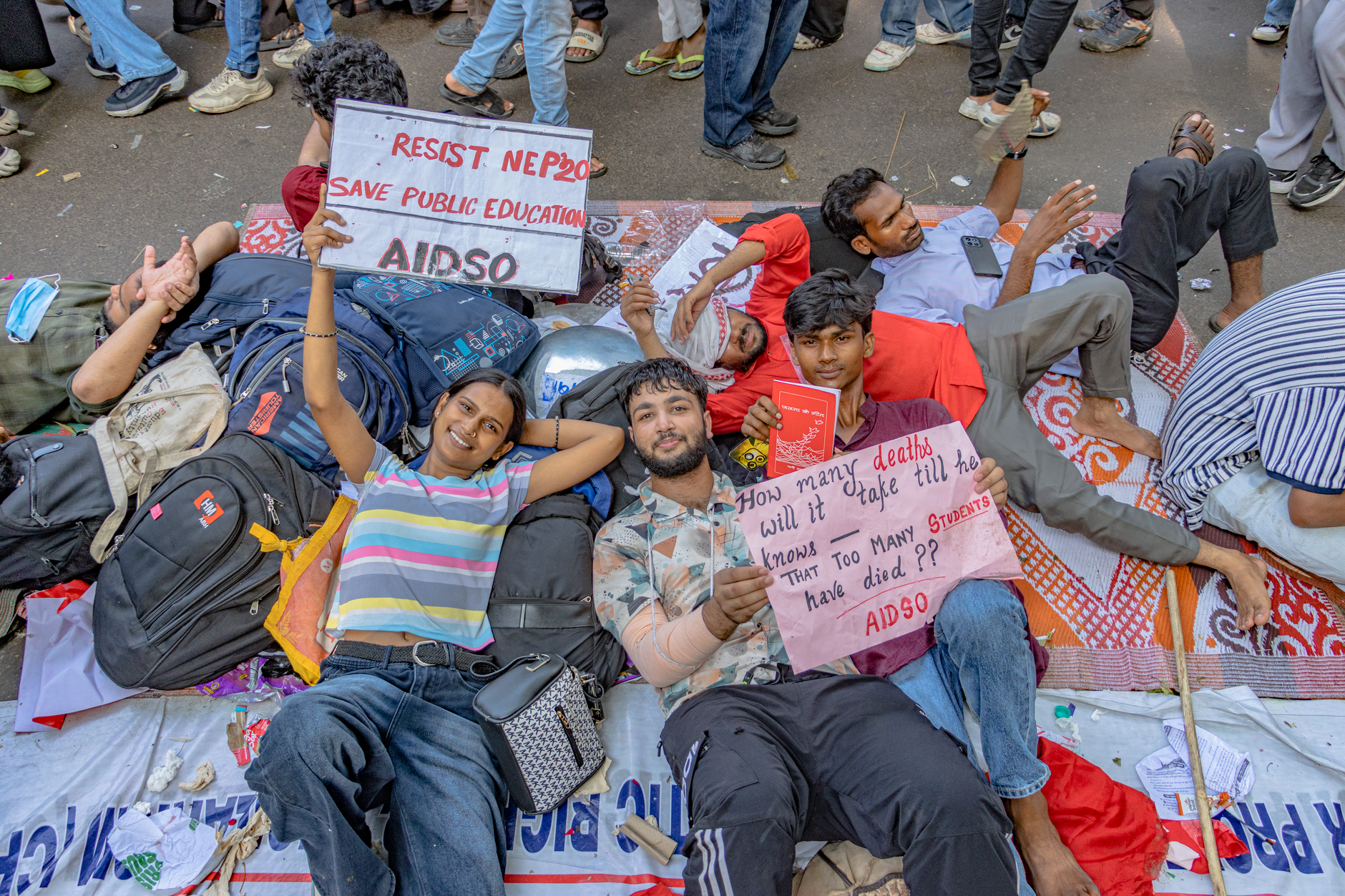
The cockroach protest represents a new chapter in this tradition, demonstrating how digital-age activists use creativity and social media to amplify their message. Unlike traditional protests involving sit-ins or marches alone, this movement's symbolic elements made it particularly shareable online, helping it reach audiences who might otherwise remain disconnected from education policy debates.
Why the Protest Was Called Off
The decision to end the protest came after significant developments in education administration, including the resignation of key officials. Students viewed this as acknowledgment of their concerns and a step toward accountability.
The movement's organizers declared a conditional victory, stating they would continue monitoring the situation and remain prepared to resume activism if promised reforms fail to materialize. This approach demonstrates the strategic thinking behind contemporary student movements, which increasingly understand that sustained pressure and follow-through matter as much as initial demonstrations.
Broader Implications for Education Reform
The successful conclusion of this protest carries several important implications for India's education sector:
The movement has forced a national conversation about examination integrity and administrative accountability. Parents, educators, and policymakers are now engaged in discussions about systemic reforms that might prevent future crises.
It has also established a precedent for how creative activism can generate pressure for change, potentially inspiring similar movements around other social issues. The protest demonstrated that students, often dismissed as lacking political power, can mobilize effectively when their futures are at stake.
Challenges Ahead
Despite the protest's conclusion, significant challenges remain in India's education system. Implementing meaningful reforms requires sustained effort, adequate funding, and political will. The issues raised by students – examination integrity, administrative efficiency, and educational quality – are complex problems without simple solutions.
The true test of this movement's success will be whether the promised changes materialize and whether the education administration implements structural reforms that prevent similar crises in the future. Student groups have indicated they will remain vigilant, ready to renew their activism if necessary.
Looking Forward
The cockroach protest will likely be remembered as a defining moment in Indian student activism. It showcased the power of creative demonstration in the digital age and proved that sustained, focused student movements can generate meaningful political consequences.
As India continues developing its education infrastructure to serve its young and growing population, the voices represented in this movement will remain crucial. The protest's conclusion marks not an ending, but rather a transition to a new phase of engagement between students, administrators, and policymakers working toward a more accountable and effective education system.