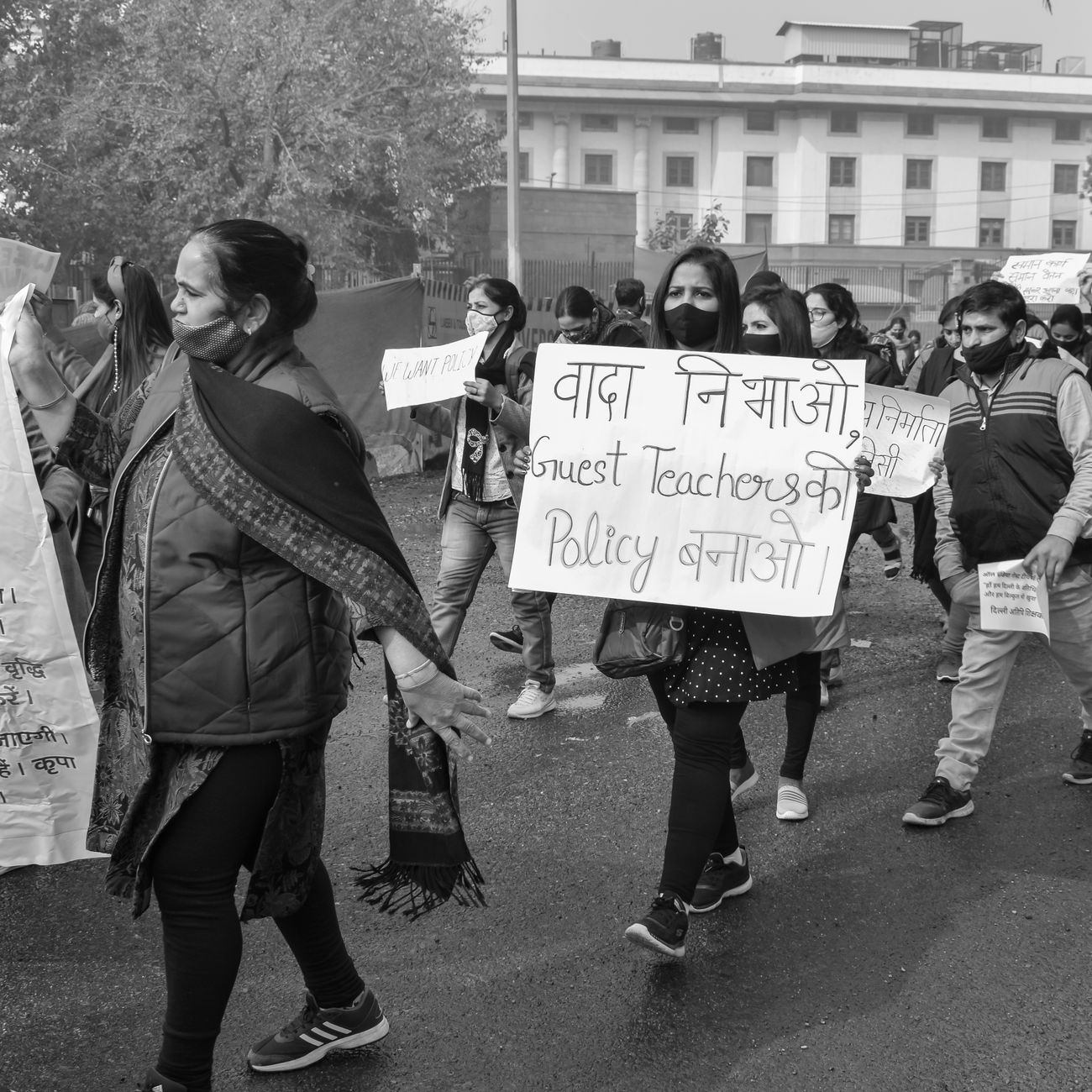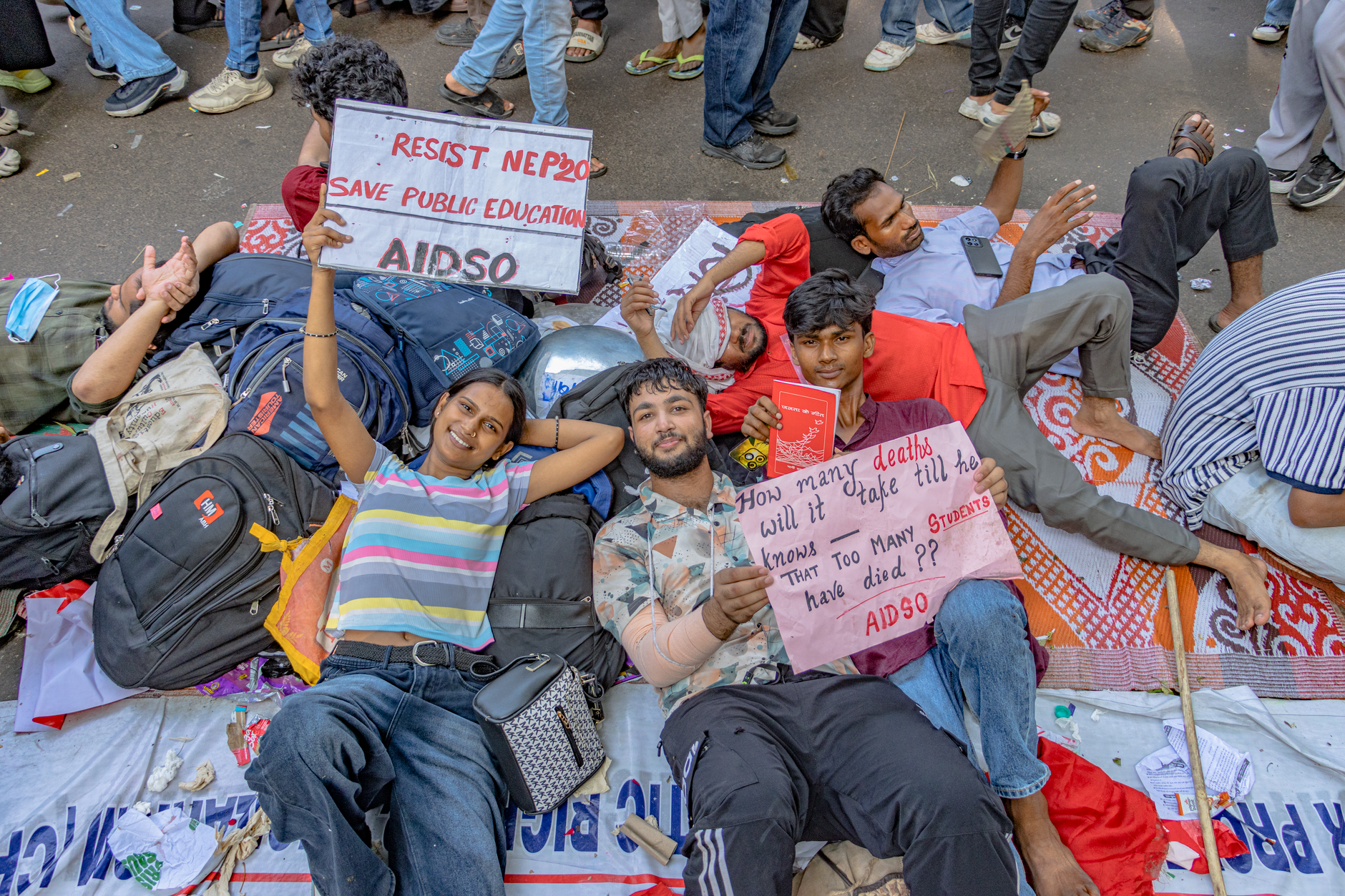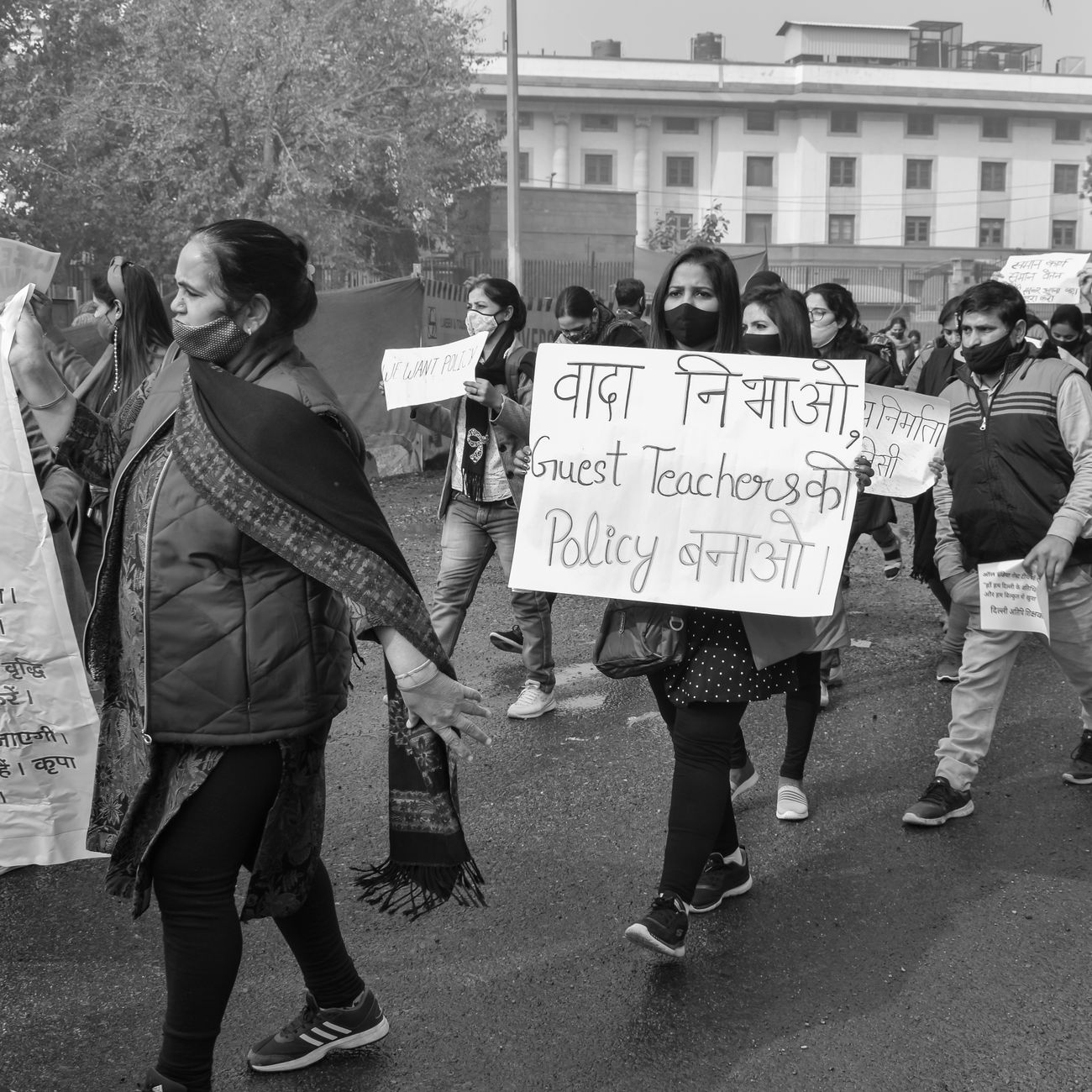
India has witnessed a surge in student-led protests over the past few years, with young people taking to the streets to challenge everything from exam policies to fee hikes and admission criteria. While several of these movements have succeeded in forcing authorities to backtrack on controversial decisions, the protesters themselves insist that mere policy reversals are not enough—they want fundamental reforms that address systemic issues plaguing India's education sector.
The Pattern of Protest and Reversal
Student activism in India has a long and storied history, but the current generation of protesters has proven particularly effective at mobilizing through social media and coordinating nationwide demonstrations. Recent agitations have targeted issues such as sudden changes to examination formats, implementation of contentious entrance test policies, and alterations to curricula that students and experts deemed regressive.
In many cases, sustained pressure from students has led to governmental climbdowns. Examination boards have postponed or modified tests, universities have reconsidered fee structures, and education ministries have withdrawn controversial circulars. These victories, while significant, are increasingly being viewed by activists as temporary Band-Aids rather than cures for deeper institutional ailments.
Beyond Damage Control
The frustration among young protesters stems from what they perceive as a reactive approach to education governance. When a policy sparks backlash, authorities often respond with damage control measures—tweaking the policy just enough to quell immediate unrest while leaving fundamental problems unaddressed.
Students and education advocates point to several chronic issues that require more than superficial fixes. These include inadequate infrastructure in government schools, a persistent focus on rote learning over critical thinking, lack of mental health support systems, outdated curricula that don't align with modern job markets, and a high-stakes examination culture that places enormous psychological pressure on young people.
The Demands for Systemic Change
What today's student protesters want goes far beyond the reversal of individual policies. Their demands typically include comprehensive consultation processes before implementing any major education reforms, increased public spending on education infrastructure and teacher training, modernization of curricula to include life skills and contemporary subjects, reduction in the importance of high-stakes examinations, and greater student representation in academic decision-making bodies.
Many activists argue that India's education system remains trapped in a colonial-era framework that prioritizes compliance and memorization over innovation and independent thinking. They contend that in an era of rapid technological change and evolving employment landscapes, the country's schools and universities need a complete philosophical reimagining rather than incremental adjustments.
The Stakeholder Disconnect
A significant source of tension is the perceived disconnect between policymakers and the actual stakeholders—students, teachers, and parents. Major education policies are often formulated without meaningful input from those most affected by them. When protests erupt, authorities may roll back specific measures but rarely engage in the kind of sustained dialogue that could prevent future conflicts.
Students point out that countries with successful education systems typically involve multiple stakeholders in policy formation and allow for pilot programs and feedback loops before nationwide implementation. The demand is not for a seat at the table as a courtesy, but as a recognition that students have valuable perspectives on what works and what doesn't in their own educational experiences.
The Broader Context
The push for comprehensive education reform in India comes at a critical juncture. With one of the world's youngest populations, the country's future economic and social development depends heavily on how well its education system prepares the next generation. Youth unemployment remains high, and there's often a mismatch between what students learn and what employers need.
Furthermore, disparities between urban and rural education, between private and government schools, and across different states create unequal opportunities that protesters argue perpetuate social and economic inequalities. Addressing these structural inequities requires more than policy tweaks—it demands sustained investment and political will.
Moving Forward
While celebrating their tactical victories in forcing policy reversals, India's young protesters are clear that their movement is about long-term transformation. They recognize that systemic change is harder to achieve than stopping a single bad policy, but they're increasingly organized, articulate, and committed to sustaining pressure until meaningful reforms are implemented.
The question now is whether policymakers will respond with genuine engagement and structural reforms, or continue the pattern of damage control that has characterized their approach thus far. For India's students, nothing less than a fundamental rethinking of education will suffice.