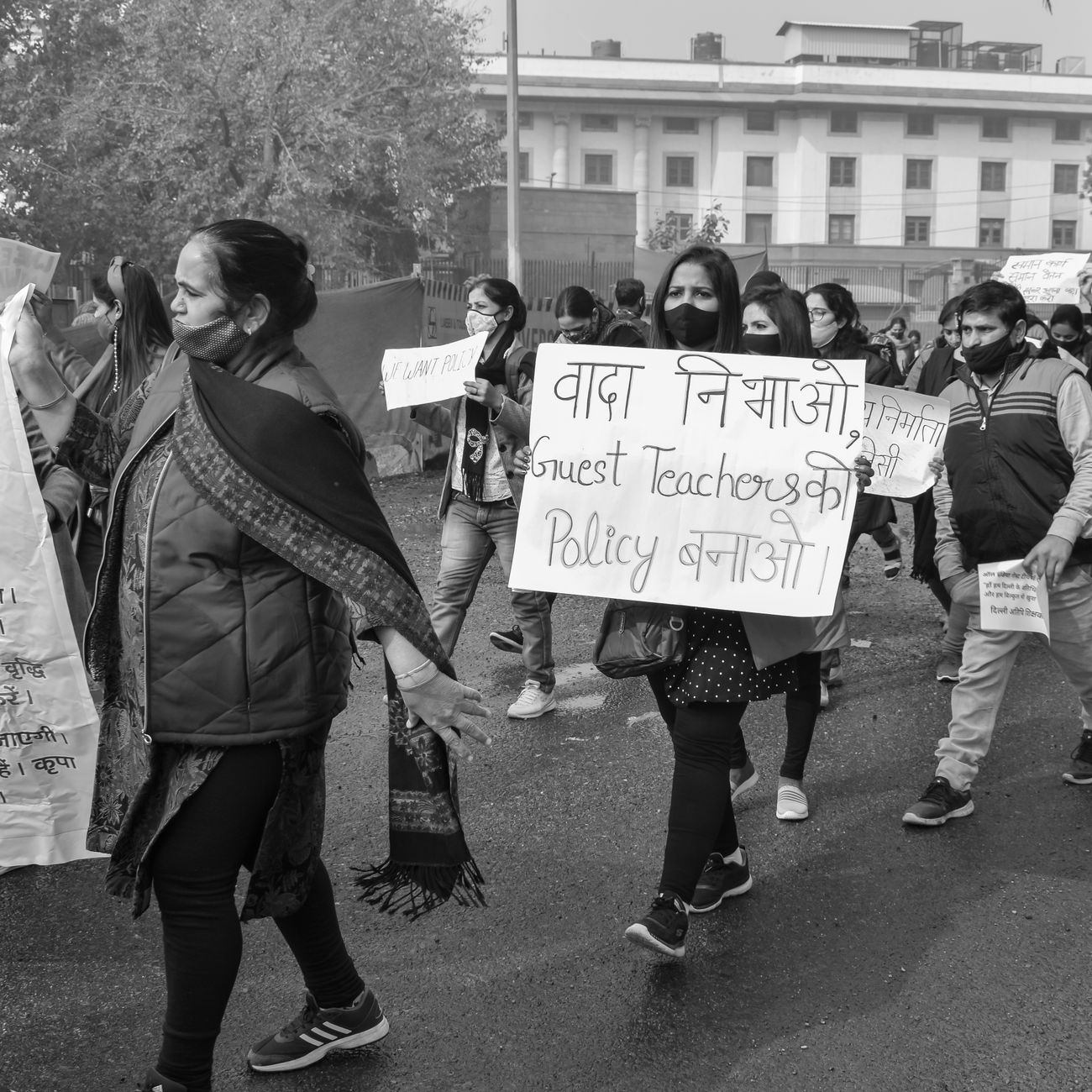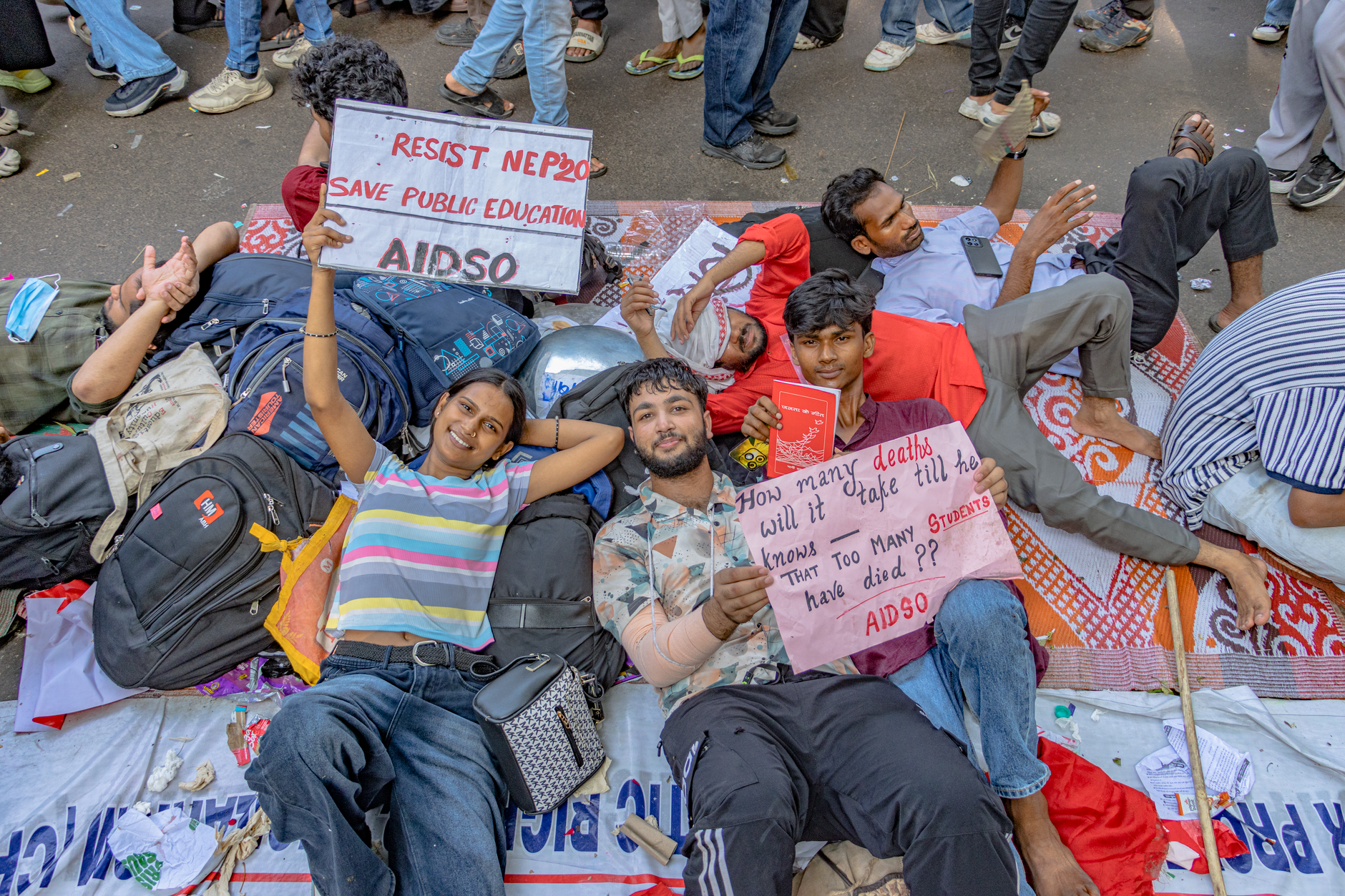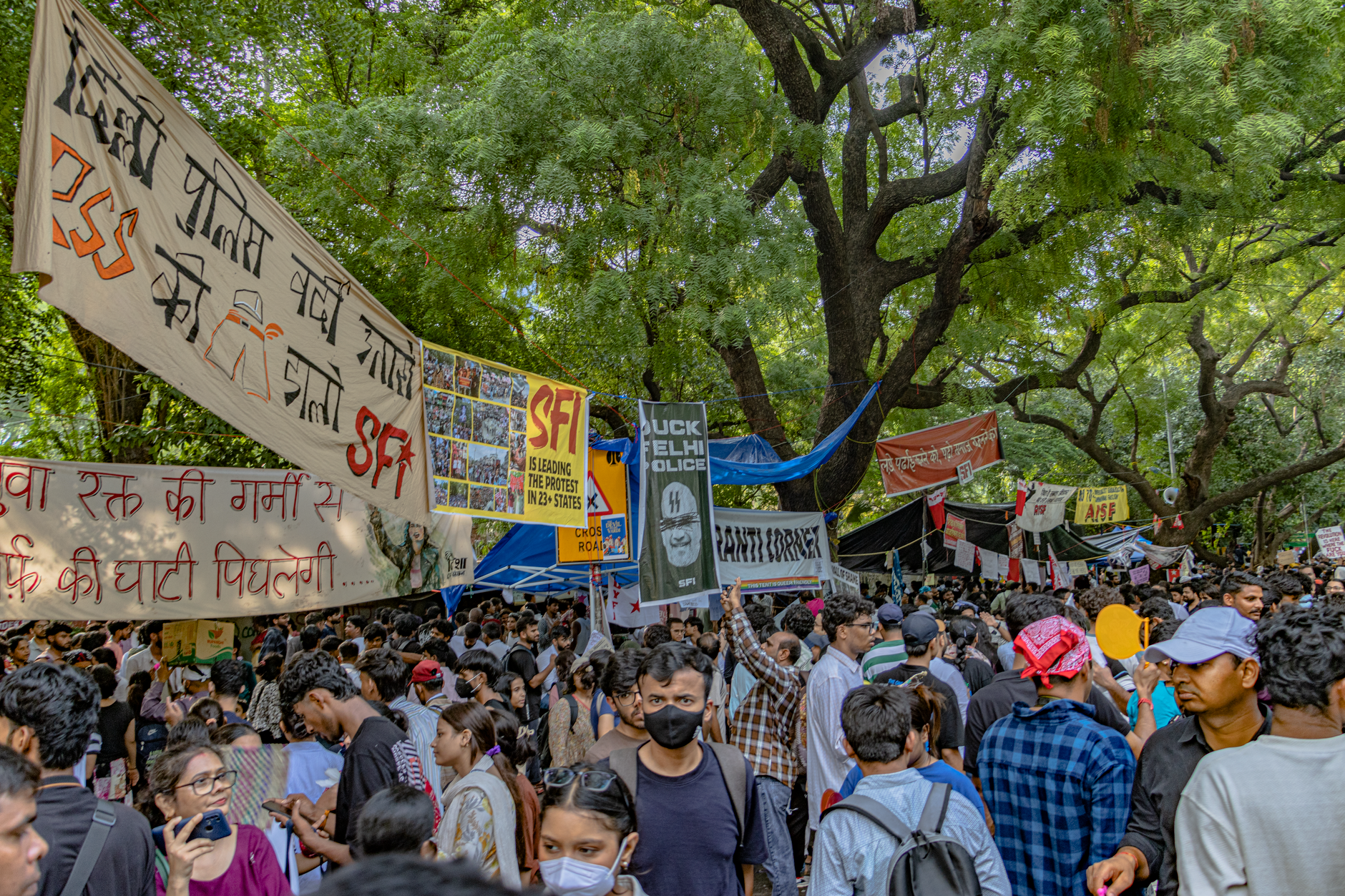
A new wave of student activism is sweeping across India, earning the unusual moniker "Cockroach Movement" for its persistence and ability to survive repeated attempts at suppression. The movement, primarily driven by young Indians frustrated with the country's highly competitive examination system and limited employment opportunities, has become a headache for the current government.
Origins of the Protest Movement
The movement draws its name from the resilience of cockroaches—creatures that survive in harsh conditions and are notoriously difficult to eliminate. Student activists have embraced this symbolism, suggesting that their demands for educational and employment reforms will persist despite official pushback or attempts to quash their protests.
The protests initially gained momentum following irregularities in several national-level competitive examinations, including allegations of paper leaks, favoritism, and flawed evaluation systems. These exams are critical gatekeepers for millions of Indian youth seeking government jobs, admission to prestigious universities, and professional opportunities.
Core Grievances Fueling the Movement
Young protesters are raising several interconnected concerns that reflect deeper structural challenges in India's education and employment landscape.
- Recurring examination malpractices and paper leaks that undermine meritocracy
- Limited government job opportunities despite increasing numbers of qualified candidates
- Delays in examination results and recruitment processes, sometimes stretching for years
- Age limits that disqualify candidates who have been waiting for delayed results
- High unemployment rates among educated youth, particularly graduates and postgraduates
- Increasing privatization of education making quality learning unaffordable for many
The frustration is particularly acute because competitive government examinations represent one of the few pathways to stable, well-paying employment for middle-class and lower-middle-class families. When these systems appear compromised or when vacancies remain unfilled for years, the social contract between the state and its aspiring youth feels broken.
Why This Matters Politically
For any government, educated but unemployed youth represent a volatile political constituency. India's demographic dividend—its large young population—was supposed to be an economic advantage. However, when this youth bulge faces limited opportunities, it can quickly transform from an asset into a liability.
The timing is particularly sensitive as India approaches various state and national elections. Young voters, especially first-time voters, constitute a significant portion of the electorate. Their disillusionment with examination systems and employment prospects could translate into electoral consequences.
Furthermore, the movement's decentralized nature makes it difficult to contain. Unlike traditional student movements led by established organizations, the Cockroach Movement spreads organically through social media, making it resilient to conventional methods of negotiation or suppression.
Government Response and Challenges
Authorities have taken various measures to address the concerns, including canceling compromised examinations, forming committees to investigate irregularies, and promising recruitment drives. However, critics argue these responses are reactive rather than systemic reforms.
The government faces a genuine policy dilemma. Creating more government jobs requires fiscal resources and may not be economically sustainable. Reforming examination systems requires overhauling decades-old bureaucratic processes. Meanwhile, the private sector has not generated sufficient quality employment opportunities to absorb the millions of graduates entering the job market annually.
Broader Implications for India's Youth
The movement reflects a generational anxiety that extends beyond examination malpractices. It encompasses concerns about whether India's economic growth is creating opportunities for ordinary citizens, whether meritocracy still functions, and whether educational investments yield proportional returns.
Many young Indians have invested years and significant family resources into preparing for competitive examinations. When these systems appear rigged or when jobs don't materialize despite qualifications, it breeds cynicism about institutional fairness.
Looking Ahead
The persistence of this movement suggests it may not fade quickly. The metaphor of the cockroach—surviving, adapting, and persisting—seems apt for a generation that feels it has few alternatives but to keep demanding accountability and opportunities.
For policymakers, the challenge is addressing not just the immediate symptoms—examination irregularities and unfilled vacancies—but the underlying structural issues of job creation, educational quality, and the transition from an exam-based meritocracy to a skills-based economy.
The movement serves as a reminder that India's youth dividend requires not just numbers but opportunities, and that educated unemployment can be as destabilizing as illiteracy.
This article is for general informational purposes only and does not constitute political or career advice. Readers should conduct their own research and seek appropriate guidance for specific educational or career decisions.