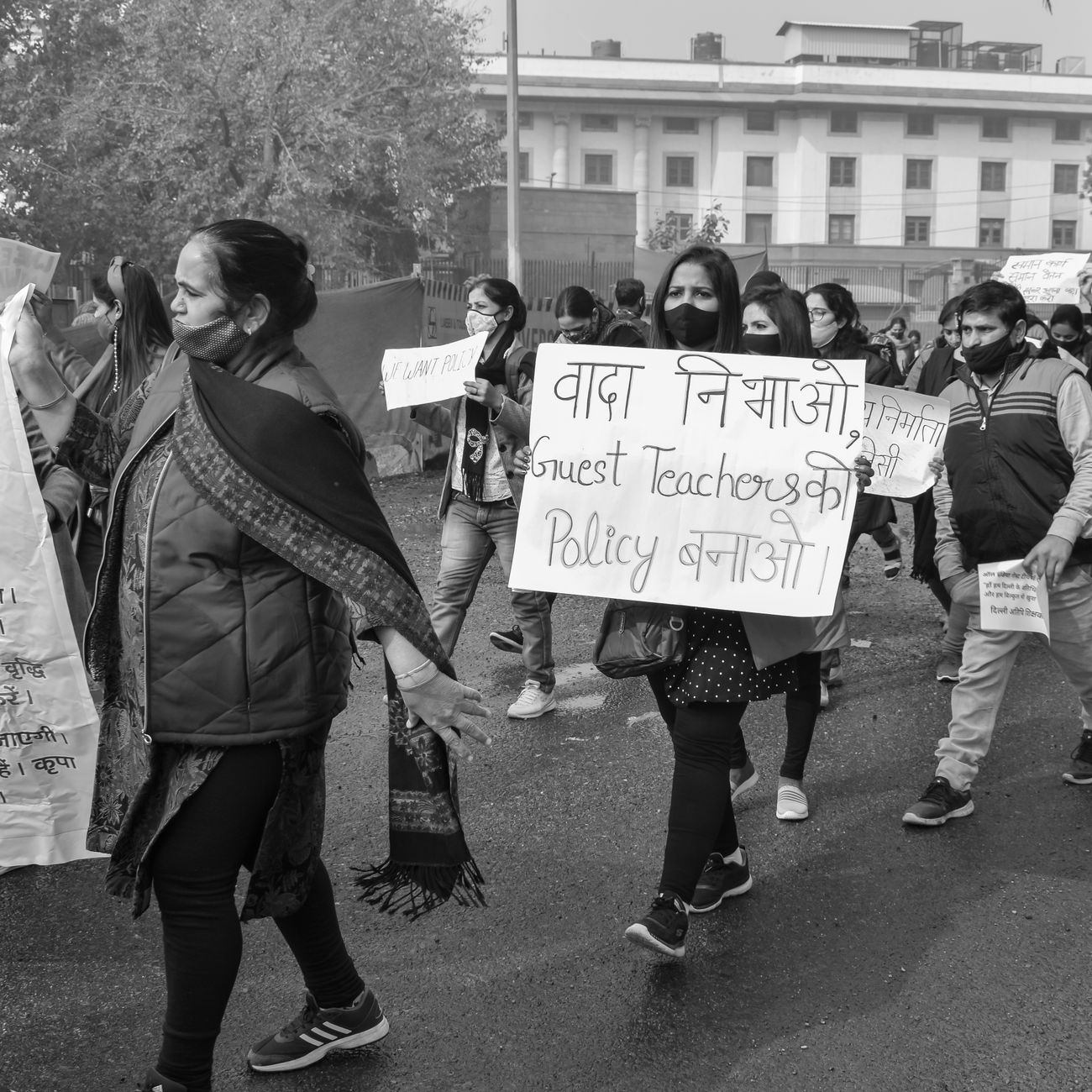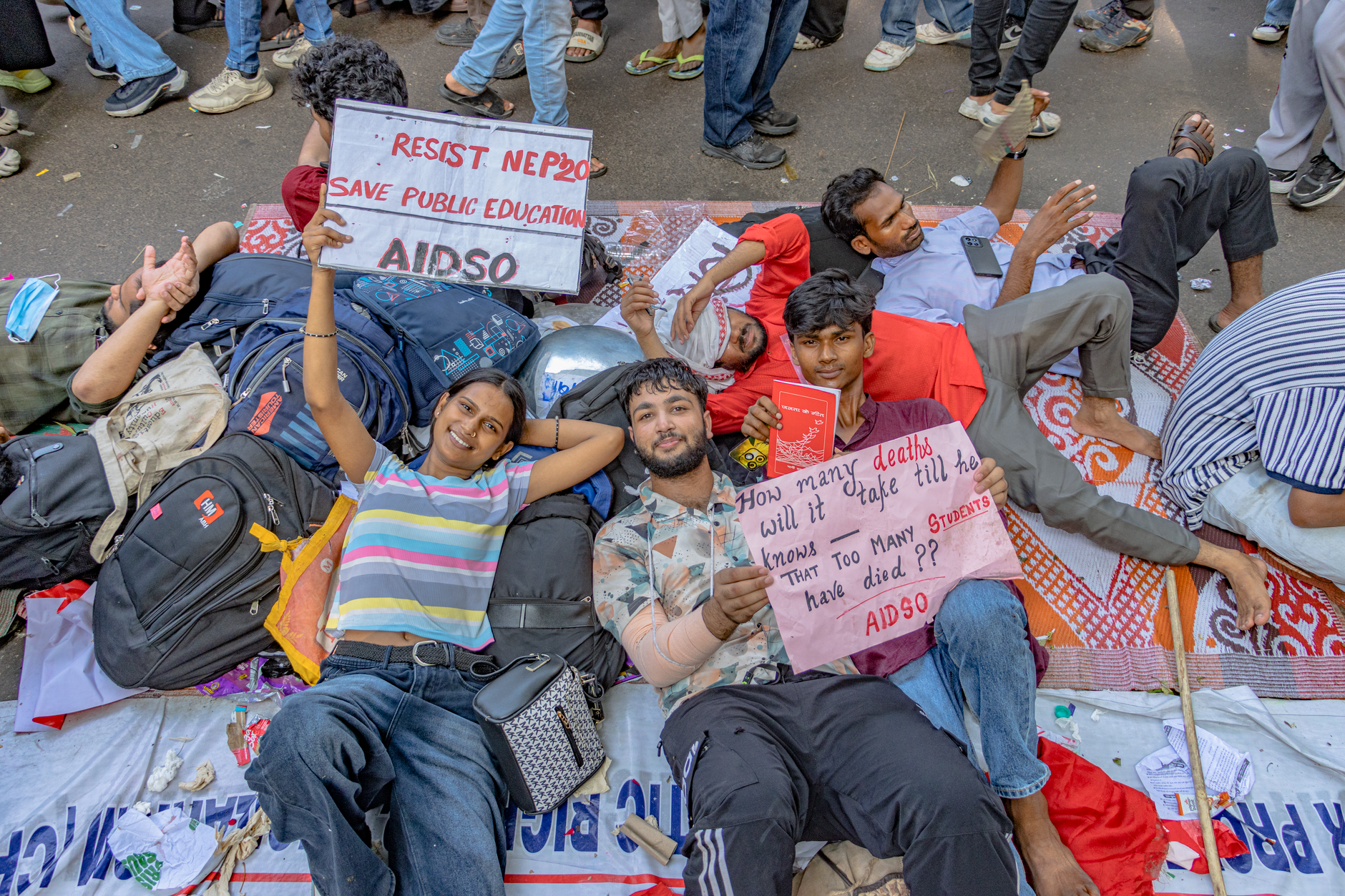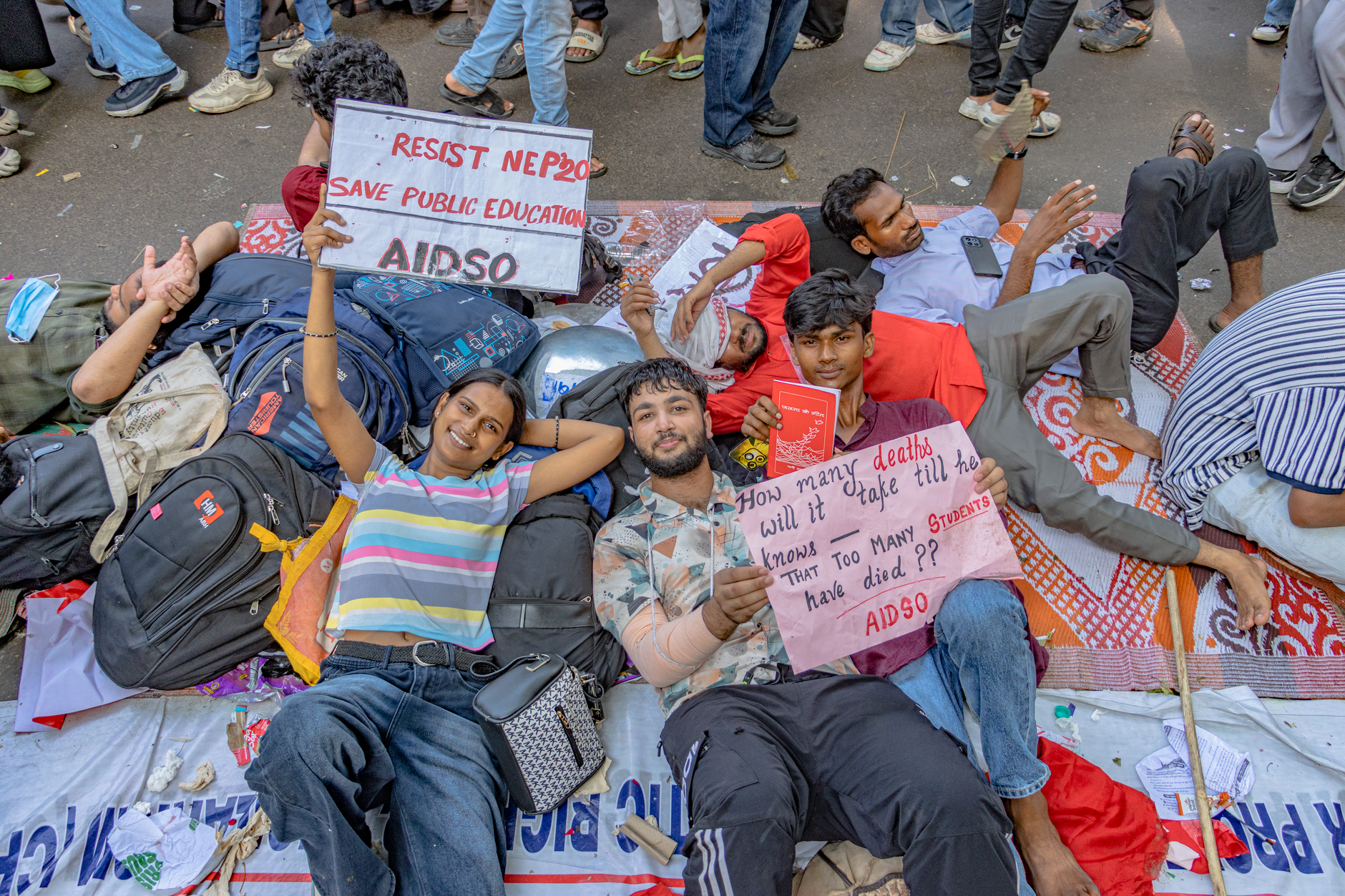
In a remarkable display of sustained grassroots activism, student protestors across India have achieved what many thought impossible—forcing the resignation of a high-ranking education minister through persistent demonstrations that refused to be silenced or dispersed. The movement, colloquially known as the 'Cockroach' protests, earned its unusual moniker from the protestors themselves, who adopted the term as a badge of honor symbolizing their refusal to be eliminated despite repeated attempts to suppress their voices.
Origins of the Movement
The protests emerged from mounting frustration among students and educators over various education policy decisions that many viewed as detrimental to India's academic infrastructure and student welfare. While specific grievances varied across different regions, common themes included concerns about examination reforms, funding cuts to educational institutions, changes to curriculum content, and issues related to academic freedom and institutional autonomy.
Student unions and independent activist groups coordinated efforts across multiple cities, employing both traditional protest methods and innovative social media campaigns to maintain momentum and public attention. The movement gained particular traction among young people who felt their futures were being jeopardized by policy decisions made without adequate consultation with the academic community.
Why 'Cockroach' Protests
The unusual name reflects both criticism initially directed at protestors by detractors and the movement's strategic embrace of persistence as its core identity. Just as cockroaches are known for their remarkable survival abilities and resistance to elimination, protestors adopted this imagery to signal their determination to continue demonstrating regardless of obstacles placed in their path.
This rebranding of a pejorative term into a symbol of resilience proved to be a powerful messaging strategy, capturing media attention and resonating with broader audiences who admired the students' tenacity. The metaphor also highlighted the movement's decentralized nature—like cockroaches, protestors could regroup and reappear even after police dispersed individual demonstrations.
Key Tactics and Strategies
The success of these protests can be attributed to several tactical innovations:
- Sustained presence rather than single large rallies, making it difficult for authorities to simply wait out the movement
- Coordinated social media campaigns that kept public attention focused on core demands
- Strategic use of humor and creative expression to maintain morale and attract media coverage
- Coalition-building across different student groups, institutions, and even sympathetic faculty members
- Clear, specific demands rather than diffuse grievances, making it easier for supporters to rally around concrete goals
The protestors also maintained largely peaceful demonstrations, which helped sustain public sympathy and made heavy-handed responses from authorities appear disproportionate. When confrontations did occur, students documented incidents and shared them widely on social platforms, building a narrative of peaceful activists facing unjust treatment.
Implications for Education Policy
The minister's resignation represents more than just a personnel change—it signals that student voices cannot be ignored in education policy formulation. This outcome may encourage greater consultation with academic stakeholders before implementing significant reforms, as policymakers recognize the potential costs of disregarding student and faculty concerns.
However, the departure of one official does not automatically resolve the underlying policy disagreements that sparked the protests. Student groups and education advocates will need to remain engaged to ensure that new leadership genuinely addresses their concerns rather than simply offering symbolic changes while maintaining problematic policies.
Broader Context of Youth Activism
This successful campaign fits within a larger pattern of increased youth political engagement in India and globally. Young people, facing uncertain economic prospects and environmental challenges, are increasingly willing to mobilize around issues that directly affect their futures. Education, as both a pathway to opportunity and a space where young people spend formative years, naturally becomes a focal point for such activism.
The 'Cockroach' protests demonstrate that sustained, strategically coordinated grassroots movements can still influence policy outcomes even in an era of powerful, centralized governance. This lesson will likely inspire future activist efforts on various issues, as young people recognize their collective power when channeled through persistent, organized action.
The resignation marks a significant moment in Indian education politics, proving that student voices, when united and persistent, cannot be easily dismissed. Whether this translates into substantive policy improvements remains to be seen, but the movement has undeniably shifted the dynamics of how education policy debates will be conducted in the future.