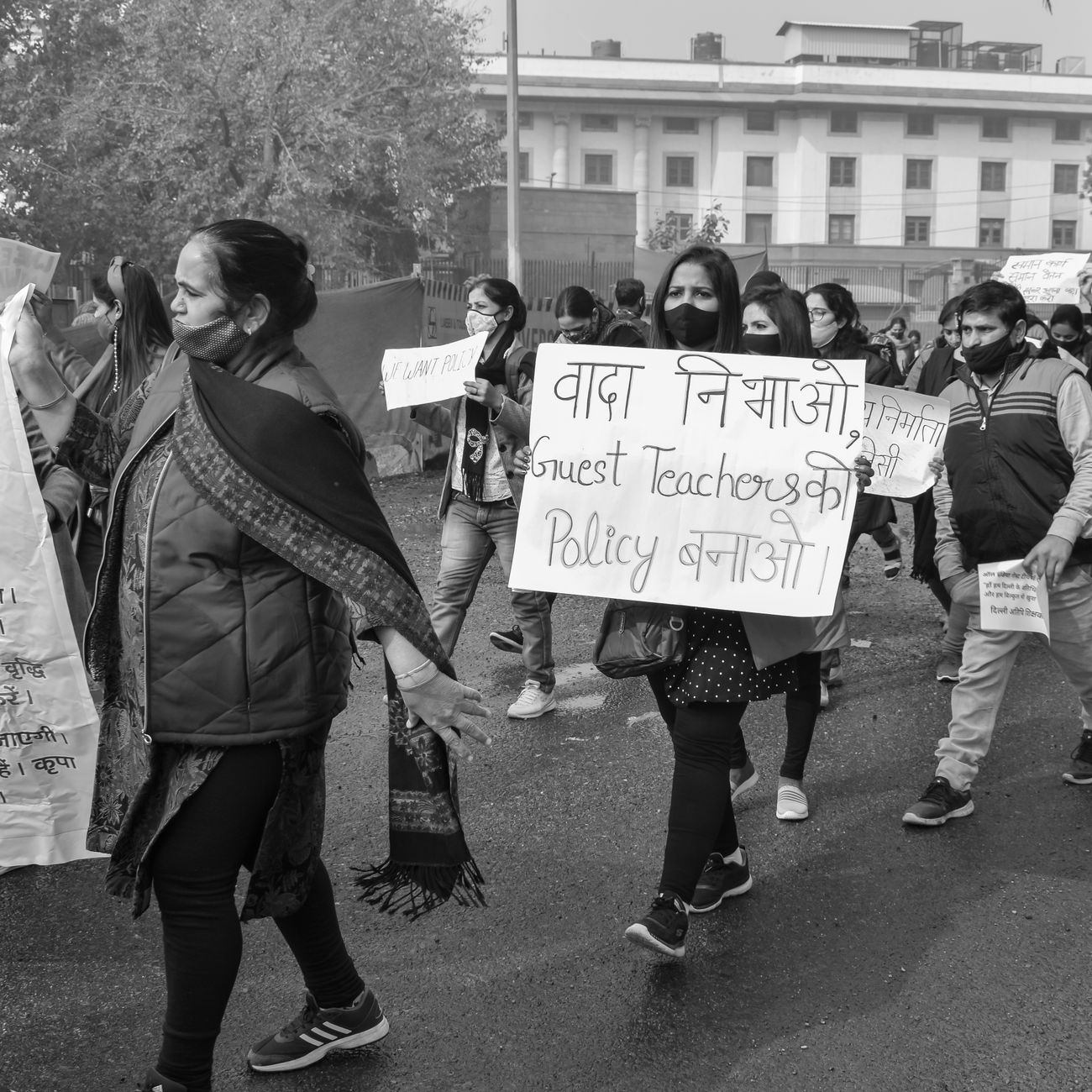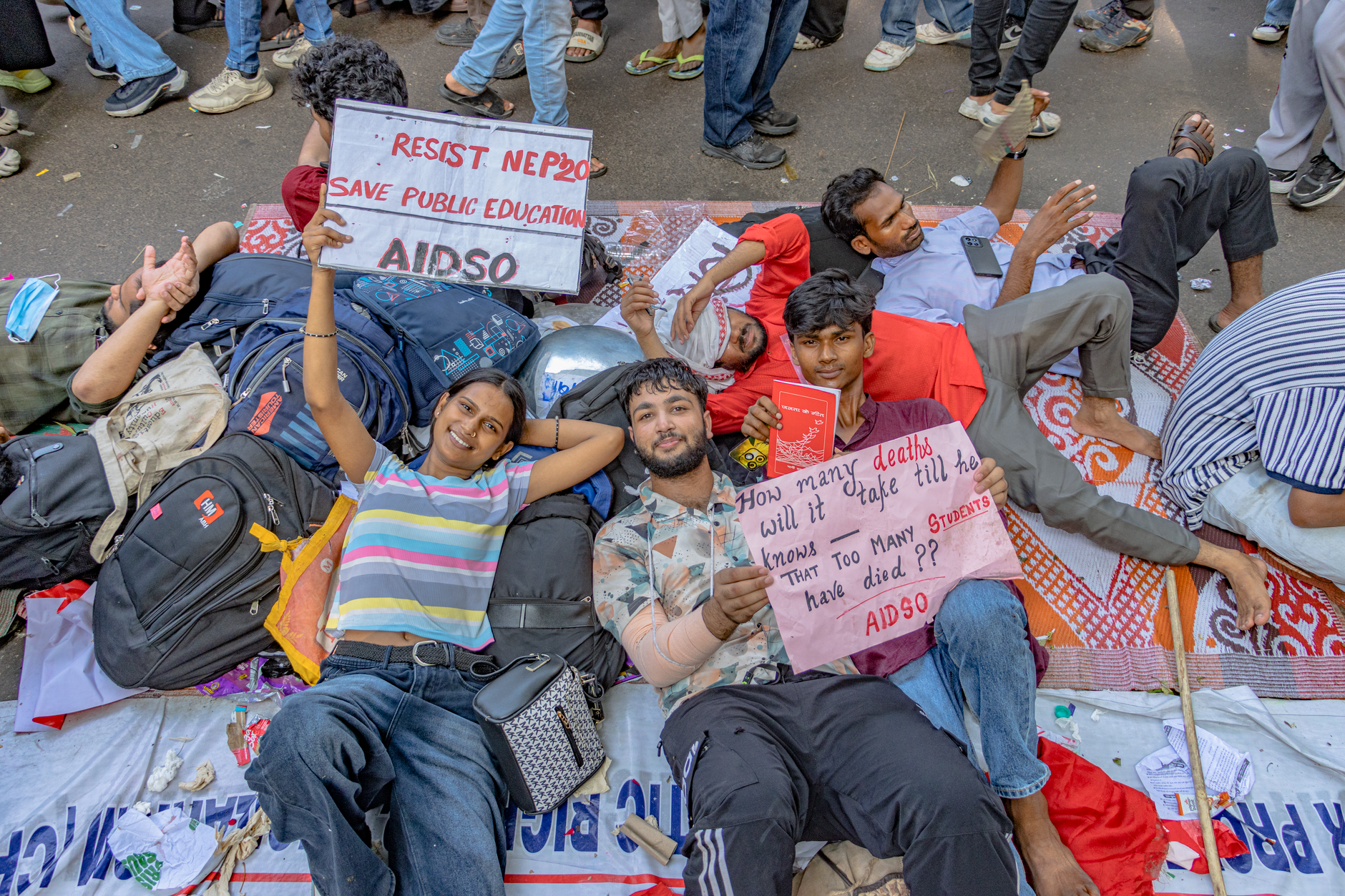
Student protests have once again demonstrated their power to reshape policy in India, as sustained demonstrations by young people across the country have forced the government to announce comprehensive reforms to the competitive examination system. The movement, which gained momentum over allegations of irregularities and systemic failures in major entrance tests, has resulted in the resignation of a senior education minister and promises of structural changes to how examinations are conducted.
The Catalyst for Change
The protests were sparked by reports of paper leaks, exam irregularities, and allegations of favoritism in several high-stakes competitive examinations that determine the future of millions of Indian students. These entrance tests, which serve as gateways to prestigious universities, government jobs, and professional courses, have long been criticized for their vulnerability to corruption and mismanagement.
Students took to the streets in major cities including Delhi, Mumbai, Kolkata, and Bengaluru, demanding accountability from education authorities and robust reforms to ensure the integrity of examination processes. The movement quickly gained traction on social media, with hashtags related to exam reforms trending nationally and garnering support from parents, educators, and civil society organizations.
Key Demands of the Movement
The protesting students have articulated several specific demands that address long-standing concerns about India's examination ecosystem:
- Implementation of advanced technology to prevent paper leaks and cheating
- Transparent investigation into alleged irregularities with clear timelines
- Restructuring of examination conducting bodies to ensure independence
- Multiple exam attempts within a year to reduce the high-pressure nature of single-sitting tests
- Strict penalties for officials found complicit in examination malpractices
- Greater student representation in bodies that oversee examination policies
Reforms Announced by Authorities
In response to the sustained pressure, government authorities have announced a series of reforms aimed at restoring trust in the examination system. These include the formation of a high-level committee to review existing examination protocols and recommend technology-driven solutions to enhance security and transparency.
The government has also pledged to implement biometric verification, real-time monitoring of examination centers, and blockchain-based question paper distribution systems to minimize human intervention and reduce opportunities for fraud. Additionally, stricter background checks for individuals involved in paper setting and evaluation have been promised.
Plans are underway to establish an independent regulatory body specifically tasked with overseeing competitive examinations, separate from existing education ministries. This autonomous organization would be responsible for maintaining standardized protocols across different examination boards and conducting bodies.
The Minister's Resignation
The resignation of the education minister represents a significant political development and underscores the seriousness with which the government is treating student concerns. While officials have not explicitly linked the resignation to the protests, political analysts view it as an acknowledgment of administrative failures within the education ministry.
The departing minister faced mounting criticism for the ministry's handling of examination irregularities and perceived delays in addressing student grievances. Opposition parties had also called for accountability at the highest levels, adding political pressure to the already volatile situation.
Broader Implications for Education Policy
This movement reflects deeper frustrations within India's education system, where millions of students compete for limited seats in premier institutions through a handful of high-pressure examinations. The current crisis has renewed debates about whether such a centralized, exam-centric approach serves the best interests of students or perpetuates inequalities.
Education experts argue that the protests present an opportunity for more fundamental reforms beyond just examination security. There are growing calls for a more holistic evaluation system that considers multiple parameters rather than relying solely on performance in a single three-hour test.
The Way Forward
As the dust settles on this phase of protests, the real challenge lies in implementation. Student groups have indicated they will remain vigilant and continue monitoring whether promised reforms materialize into concrete action. They have also emphasized that protests may resume if authorities fail to meet announced timelines or dilute the scope of reforms.
The episode serves as a powerful reminder of youth activism's role in shaping public policy in India. It also highlights how social media and digital connectivity enable rapid mobilization around shared grievances, particularly among younger demographics who are increasingly willing to demand accountability from institutions.
This article is for general informational purposes only and reflects developments based on publicly available information. Readers should refer to official government announcements for the most current and accurate information regarding examination reforms and policy changes.