The Indian government's recent move to demolish a university founded by a prominent Muslim leader has triggered widespread concern among educators, civil society groups, and students across the nation. This development has brought to the forefront critical questions about institutional autonomy, minority educational rights, and the preservation of India's diverse educational heritage.
Historical Context of Minority Educational Institutions
India's Constitution provides special protections for educational institutions established by religious and linguistic minorities under Articles 29 and 30. These provisions were designed to ensure that minority communities could establish and administer educational institutions of their choice, preserving their cultural and educational traditions while contributing to the nation's intellectual landscape.
Many universities and colleges founded by Muslim, Christian, Sikh, and other minority leaders have played pivotal roles in India's educational ecosystem since independence. These institutions have historically provided quality education to students from all backgrounds, often serving underserved communities and promoting social mobility through accessible higher education.
The Current Controversy
The demolition order has raised several pressing concerns:
- Legal questions about the proper application of urban planning regulations and whether they are being enforced uniformly across all institutions
- Debates about the timing and motivation behind such actions, with critics questioning whether educational institutions are being targeted for reasons beyond stated regulatory compliance
- Concerns about the future of thousands of students enrolled in affected institutions and their academic prospects
- Wider implications for educational autonomy and the independence of minority-run institutions across India
Impact on Students and Faculty
Educational institutions represent more than just physical structures—they are communities of learning that shape lives and futures. When such institutions face existential threats, the immediate casualties are often the students whose educational journeys hang in the balance.
Faculty members, many of whom have dedicated careers to building academic programs and research initiatives, face uncertainty about their professional futures. The disruption to ongoing research projects, student mentorship, and curriculum development can have long-lasting effects that extend far beyond the immediate crisis.
The Broader Educational Landscape
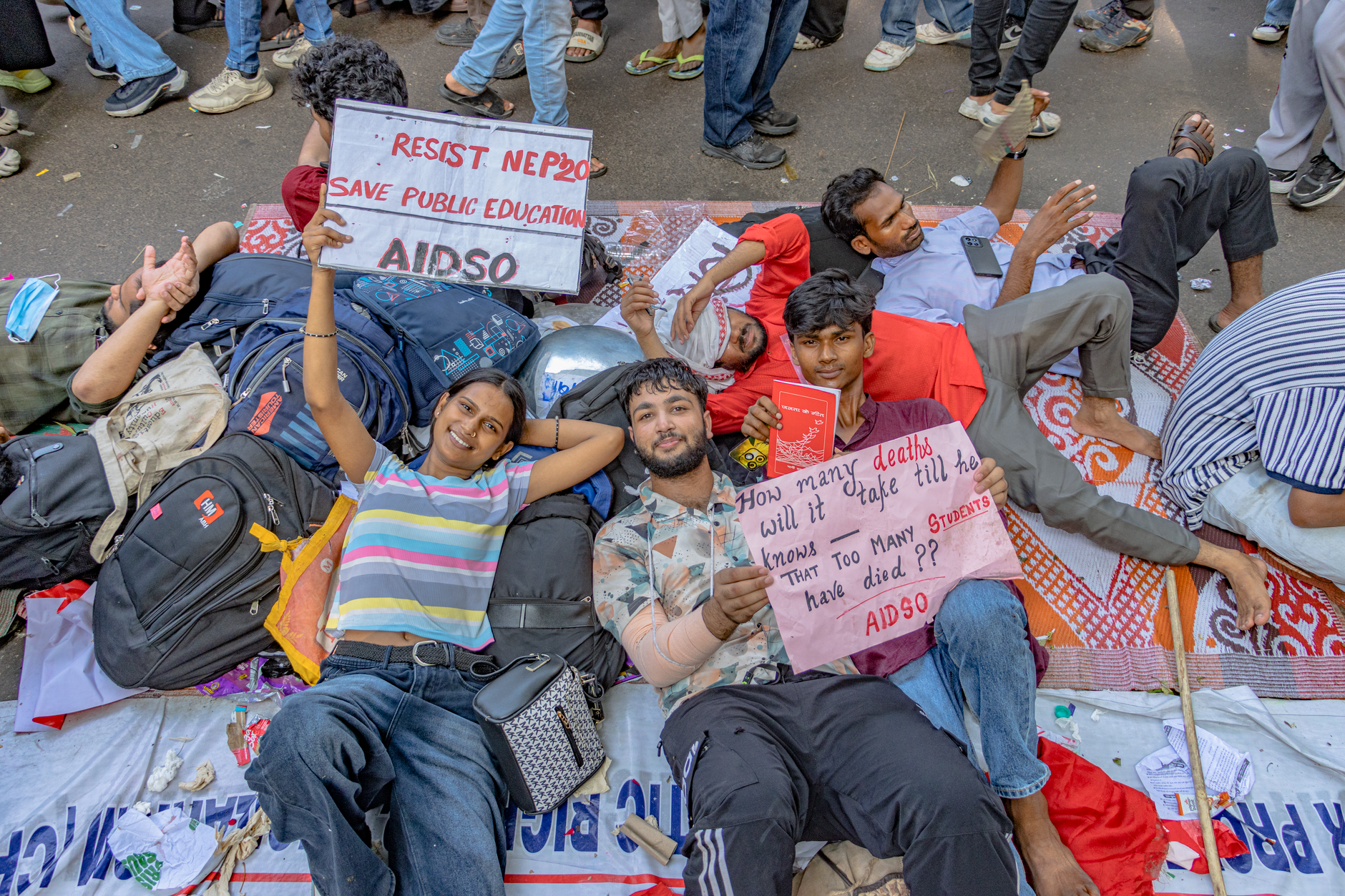
This controversy emerges against the backdrop of ongoing debates about education policy in India. The country has been implementing various reforms aimed at modernizing its educational system, including the National Education Policy 2020, which seeks to overhaul everything from curriculum design to institutional governance.
However, critics argue that such initiatives must be balanced against the constitutional protection of institutional diversity and the rights of minority communities to maintain their educational institutions. The intersection of modernization efforts, regulatory enforcement, and minority rights creates a complex terrain that requires careful navigation.
Stakeholder Perspectives
Educational experts emphasize that institutional disputes should be resolved through dialogue and legal processes that respect both regulatory requirements and constitutional protections. Student organizations have called for measured approaches that prioritize educational continuity and student welfare above all else.
Civil society groups have highlighted the need for transparency in administrative decisions affecting educational institutions, arguing that such matters should be handled through proper channels with adequate opportunity for appeals and remedies.
Looking Forward
The resolution of this controversy will likely set important precedents for how similar situations are handled in the future. Several key principles are at stake:
- The balance between regulatory enforcement and constitutional protections for minority institutions
- The role of dialogue and due process in resolving disputes involving educational institutions
- The priority given to student welfare and educational continuity during institutional crises
- The preservation of India's diverse educational ecosystem that includes institutions founded by leaders from various communities
International Attention
The international education community has taken note of these developments, as India represents one of the world's largest higher education markets with millions of students. The handling of such disputes can affect India's reputation as a destination for international students and academic collaboration.
The situation underscores the importance of robust institutional frameworks that can accommodate India's diversity while maintaining educational standards and governance norms. As the country continues its journey toward becoming a global knowledge hub, ensuring the security and autonomy of all legitimate educational institutions remains paramount.
The coming weeks and months will reveal how this particular situation unfolds and what lasting impact it may have on India's educational landscape. For now, the focus remains on finding solutions that protect student interests while respecting both legal requirements and constitutional guarantees.