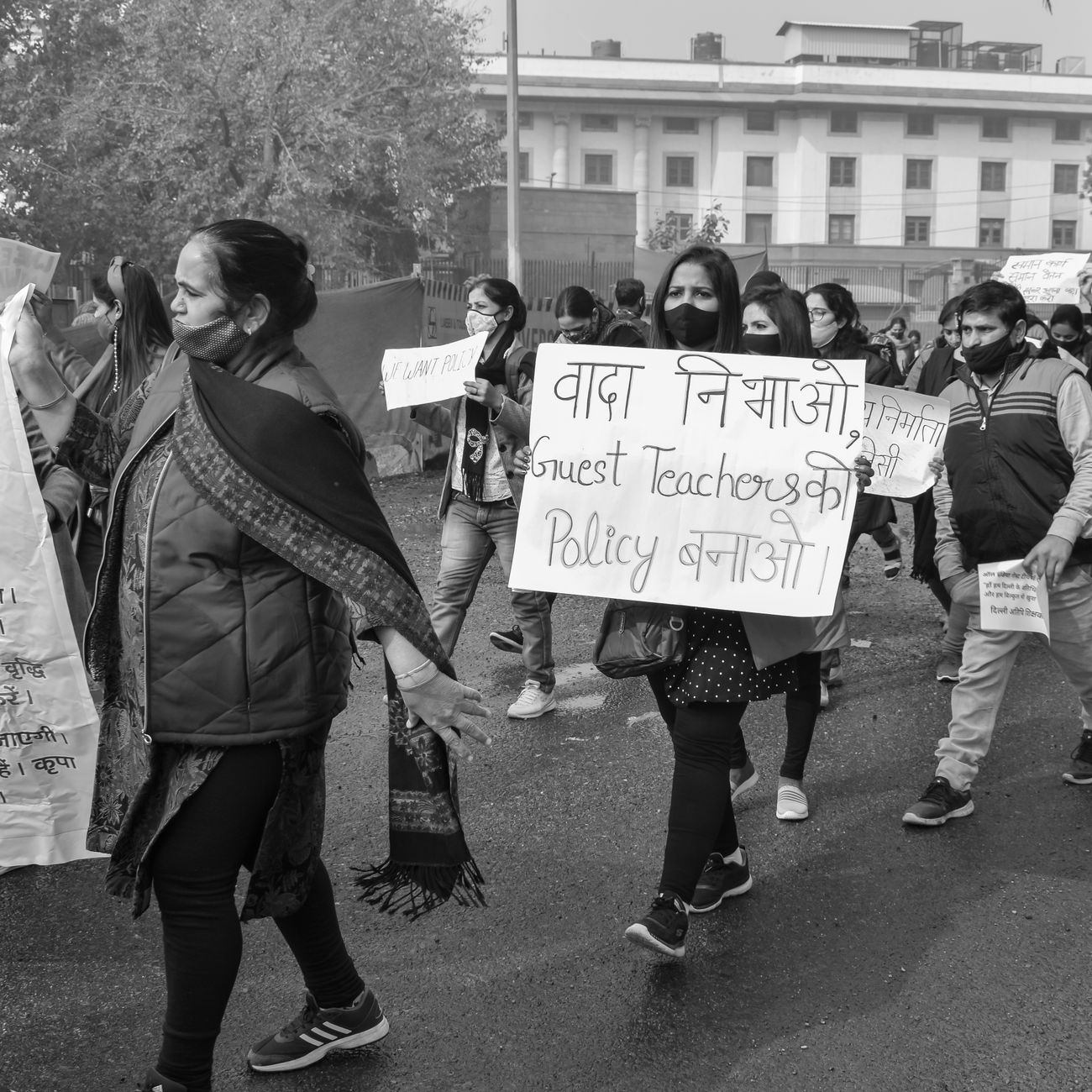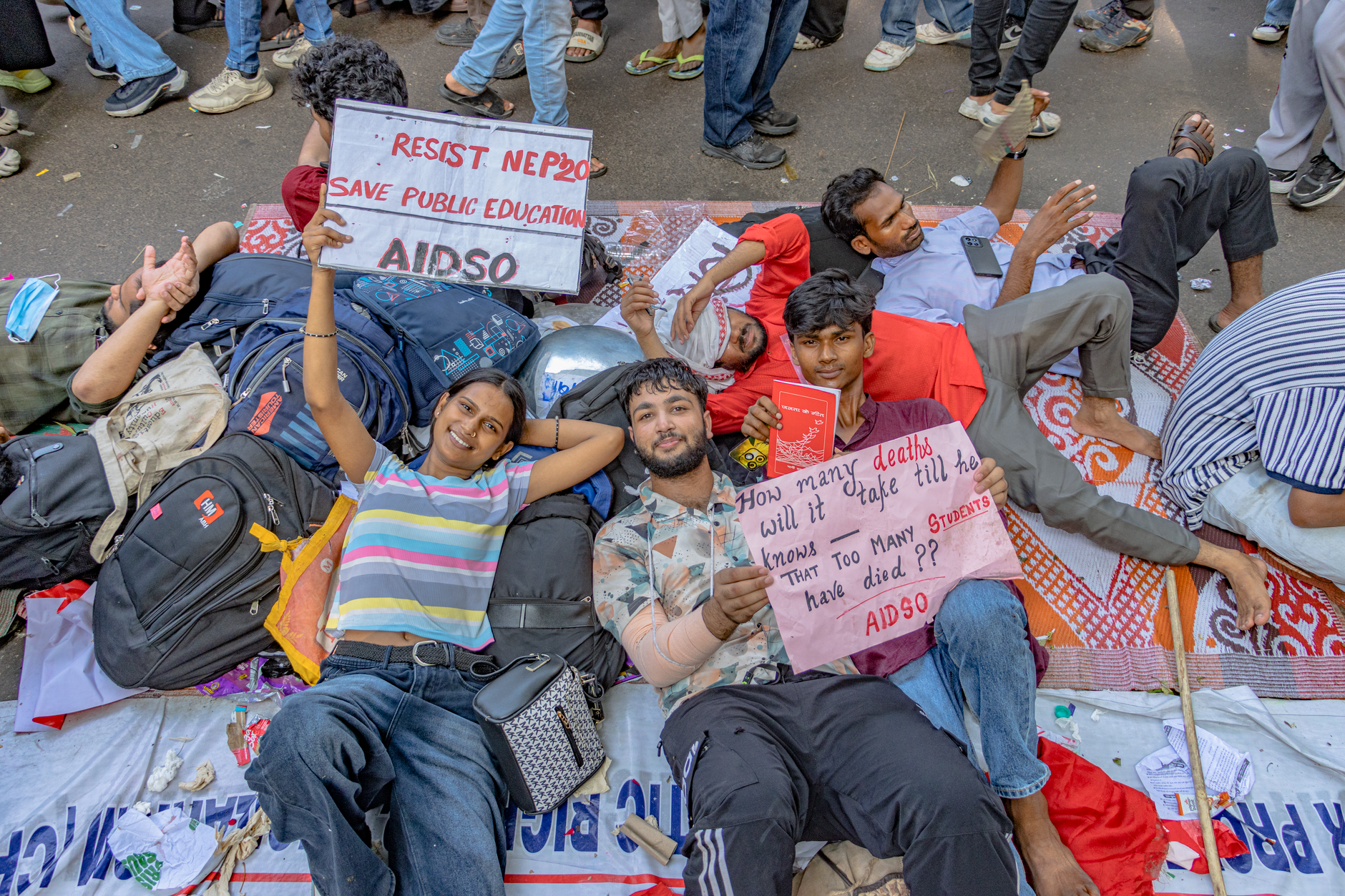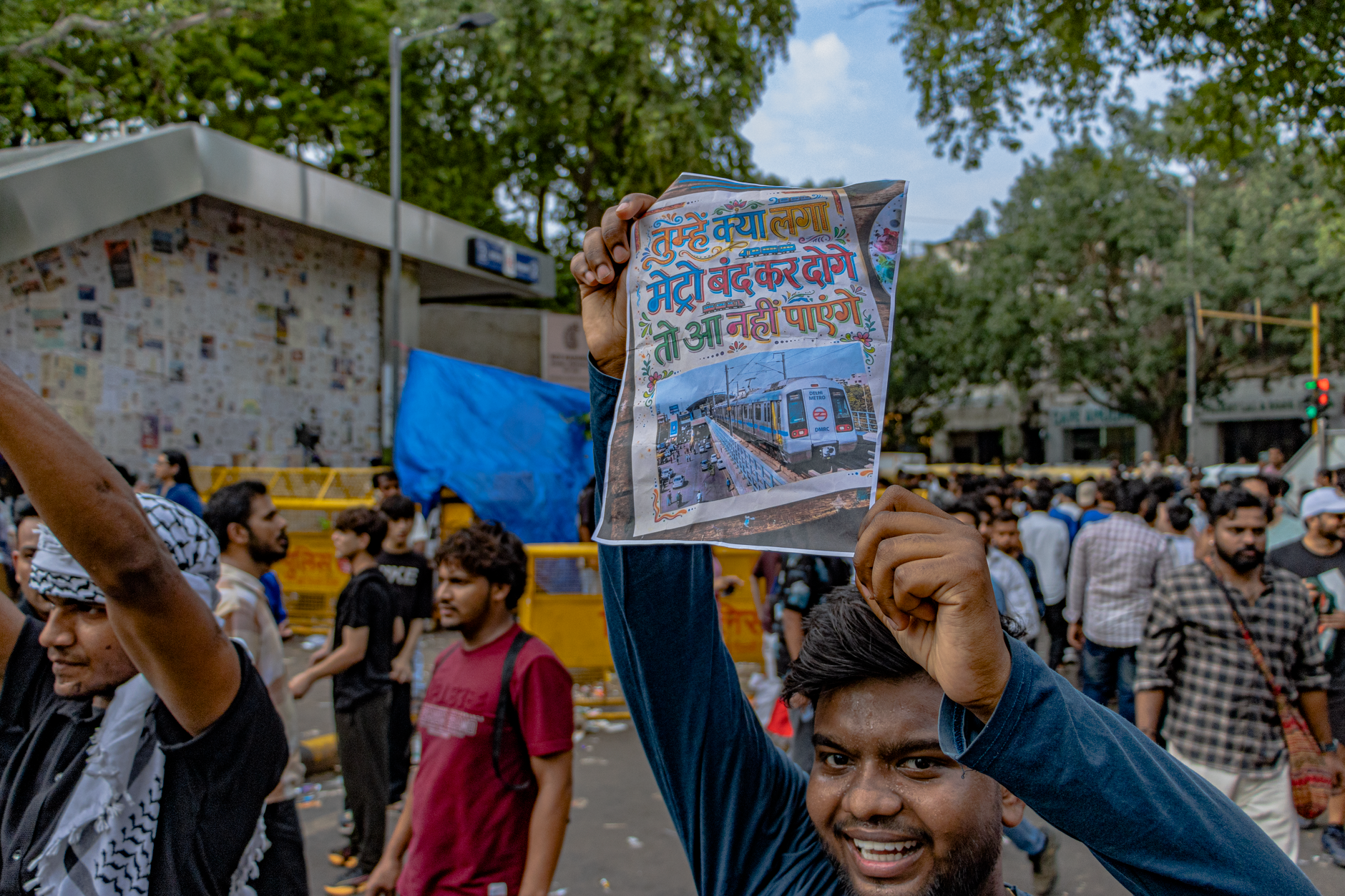
The dismissal of an education minister following sustained student protests has thrust India's emerging youth activism into the spotlight, raising important questions about the future of educational reform and student political engagement across the country.
Understanding the 'Cockroach' Movement
The term "Cockroach" movement, while carrying negative connotations, has been adopted by student activists as a symbol of resilience and persistence. The name reflects the movement's decentralized nature and its ability to survive attempts at suppression, much like the insect it's named after. This grassroots campaign emerged from widespread dissatisfaction with various aspects of India's education system, including examination policies, fee structures, infrastructure deficiencies, and administrative transparency.
Student activists across multiple universities and states have coordinated protests demanding accountability from education authorities, better resource allocation, and meaningful reforms to outdated curricula and examination systems. The movement gained particular traction on social media platforms, where students shared experiences of administrative failures and mobilized support across geographical boundaries.
The Political Consequences
The removal of an education minister in response to sustained student pressure marks a significant moment in Indian politics. It demonstrates that organized youth activism can produce tangible political outcomes, even within a system often criticized for being unresponsive to grassroots demands.
This development follows months of escalating tensions between student groups and education authorities. Protesters had highlighted issues ranging from alleged corruption in educational appointments to the implementation of policies without adequate consultation with stakeholders. The minister's dismissal represents an acknowledgment that student grievances had reached a critical threshold that could no longer be ignored.
However, political observers note that removing a single official, while symbolically important, does not automatically translate into systemic change. The underlying structural issues within India's vast education system remain largely intact.
Key Challenges Facing Indian Education
India's education sector faces numerous challenges that extend far beyond any single administrator's tenure. The country manages one of the world's largest education systems, serving hundreds of millions of students across diverse linguistic, economic, and geographic contexts.
- Inadequate infrastructure in government schools and colleges, particularly in rural areas
- Teacher shortages and quality concerns across primary and secondary education
- Rising costs of higher education creating accessibility barriers for economically disadvantaged students
- Curriculum relevance and the gap between education outcomes and employment requirements
- Examination-focused learning culture that critics argue stifles creativity and critical thinking
- Digital divide exacerbated by pandemic-era online learning requirements
What Happens Next
The movement now faces the critical challenge of maintaining momentum while transitioning from protest mode to constructive engagement with policymakers. History shows that student movements often struggle to sustain energy once immediate demands are met or symbolic victories achieved.
Several scenarios could unfold. Student groups may leverage their demonstrated influence to push for specific policy reforms, such as changes to examination patterns, fee regulation, or curriculum updates. Some activists may transition into formal advocacy roles, working with educational institutions and government bodies to implement changes from within.
Alternatively, the movement could fragment as different student groups prioritize different issues, or lose momentum if newly appointed officials fail to deliver substantive reforms quickly enough to maintain student engagement.
Broader Implications for Youth Politics
This episode reflects broader trends in Indian youth political engagement. Young Indians, particularly those in urban areas with social media access, are increasingly willing to organize around issues that directly affect their lives. Education, employment, and environmental concerns have emerged as key mobilizing issues for this demographic.
The success of student activism in producing political consequences may inspire similar movements around other youth-centric issues. It also signals to political parties that youth constituencies cannot be taken for granted and may demand more substantive engagement than traditional vote-bank politics.
The Path Forward
For meaningful change to occur, student activism must be complemented by administrative will and resource allocation. India's education sector requires sustained investment in infrastructure, teacher training, and modernization of learning approaches. Policy reforms need to balance standardization with flexibility to accommodate regional diversity.
The removal of an education minister provides an opportunity for reset and reflection, but the hard work of implementing systemic change requires collaboration between students, educators, administrators, and policymakers. Whether the 'Cockroach' movement can evolve from protest to partnership while maintaining its critical edge will determine its long-term impact on Indian education.