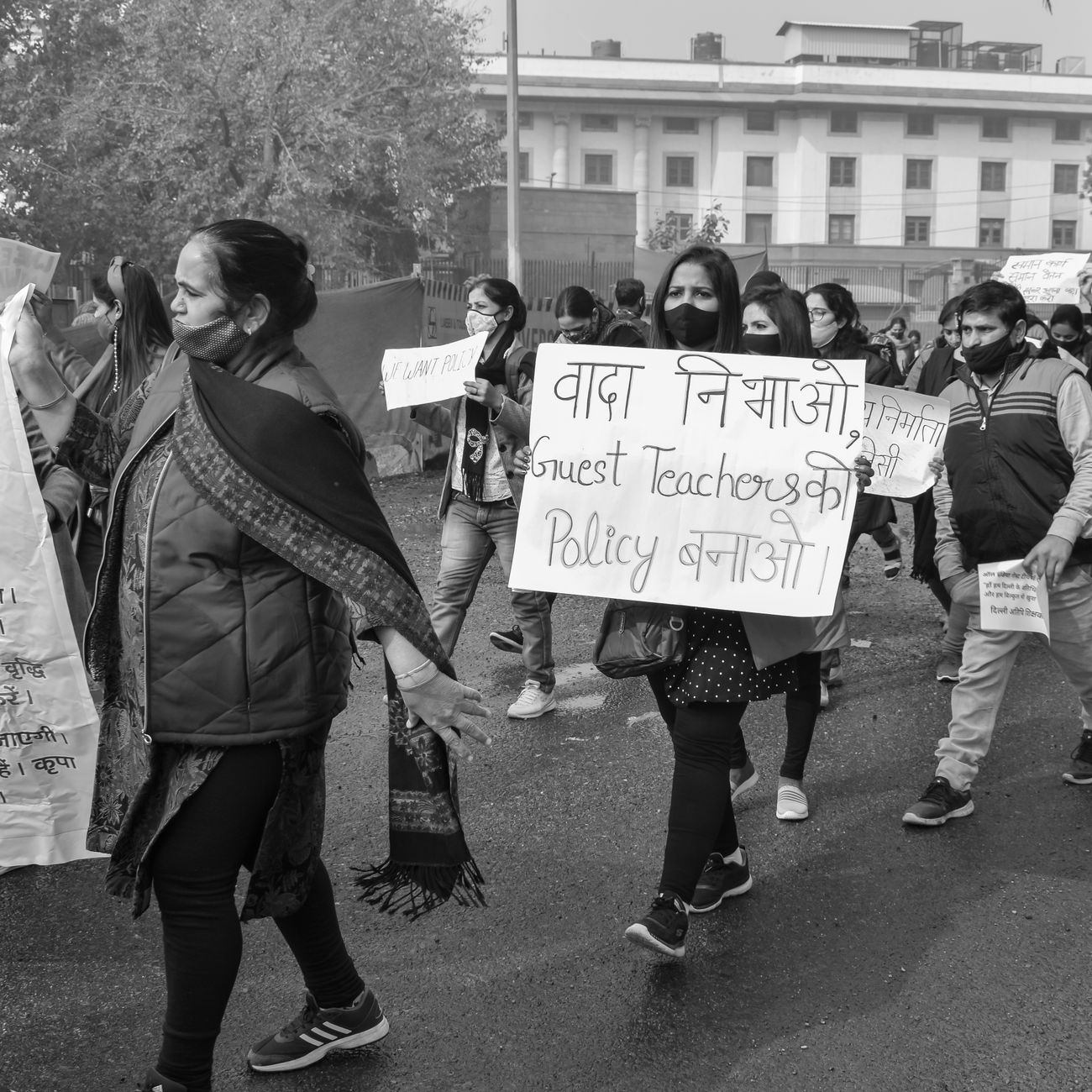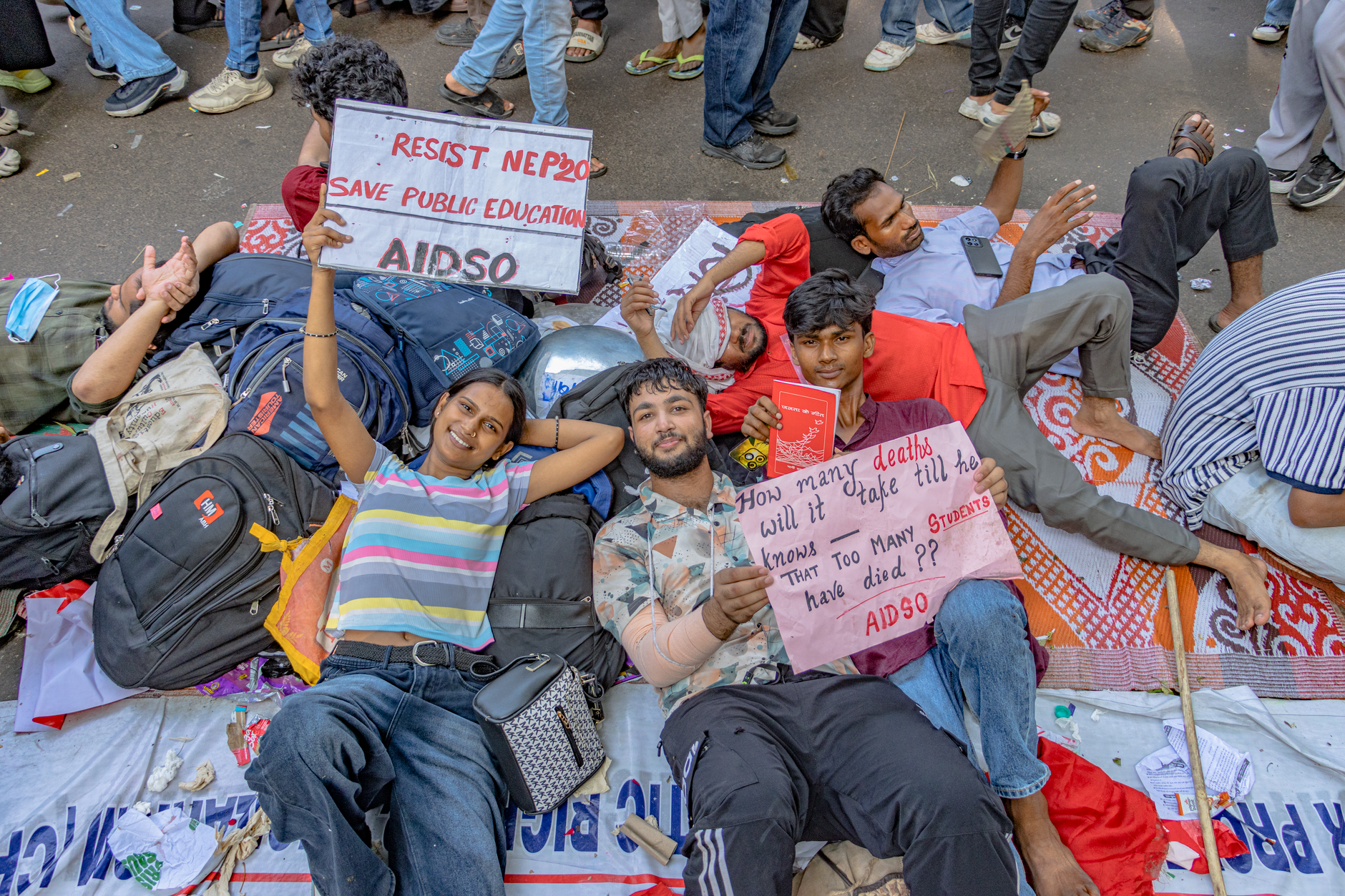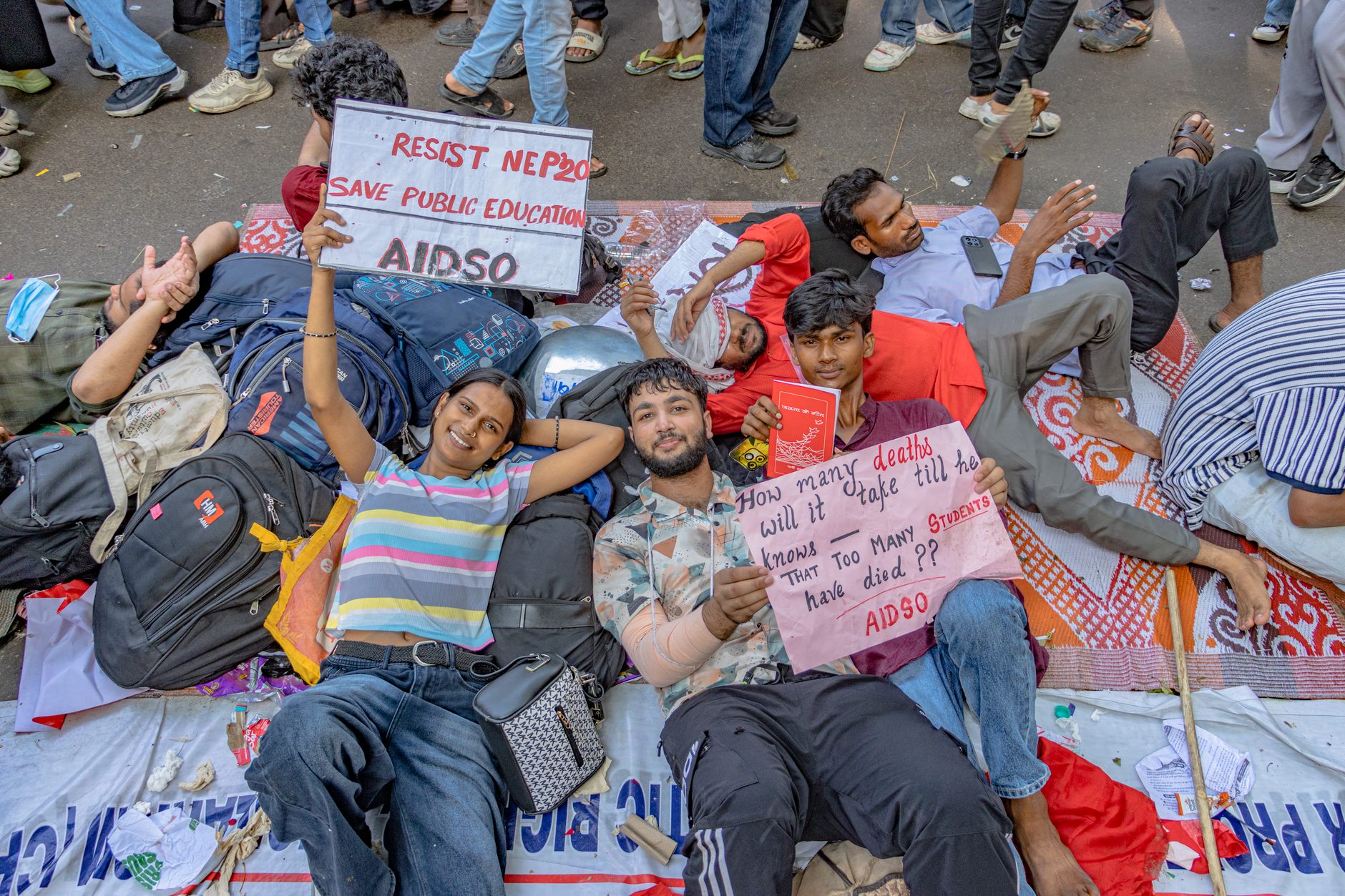
India's education system has long been a subject of intense debate, with students, educators, and policymakers often at odds over its direction. While recent protests have brought certain issues into sharp focus, the new education reforms being implemented across the country represent far more than a reactive measure to quell dissent. They signal a fundamental reimagining of how India educates its 260 million students.
A Shift from Rote Learning to Critical Thinking
One of the most significant aspects of the reforms is the move away from traditional rote memorization toward fostering critical thinking and analytical skills. For decades, the Indian education system has been criticized for producing graduates who can recall facts but struggle with problem-solving and innovation. The new framework emphasizes conceptual understanding, practical application, and interdisciplinary learning.
This shift includes reducing the emphasis on high-stakes examinations and introducing more continuous and comprehensive evaluation methods. The goal is to create learners who can adapt to changing job markets rather than simply perform well on standardized tests.
Vocational Training and Skill Development
The reforms place unprecedented emphasis on vocational education and skill-based training from the secondary school level onwards. This addresses a critical gap in India's workforce, where millions of graduates find themselves unemployable despite holding degrees.
Key features include:
- Integration of vocational courses into mainstream education starting from grade 6
- Partnerships with industries to ensure training matches market demands
- Multiple entry and exit points in higher education with academic credits
- Recognition of skill-based learning as equivalent to traditional academic pathways
Technology Integration and Digital Literacy
Recognizing that digital fluency is no longer optional, the reforms mandate comprehensive technology integration across all levels of education. This goes beyond simply introducing computer classes to embedding digital tools across subjects and ensuring students develop computational thinking from an early age.
The push for digital infrastructure also aims to bridge the urban-rural divide, with provisions for ensuring internet connectivity and devices reach underprivileged areas. However, implementation challenges remain significant, particularly in remote regions.
Mother Tongue and Multilingual Education
A particularly noteworthy aspect is the emphasis on education in mother tongues, especially in the foundational years. Research consistently shows that children learn best in their native language, yet India's education system has historically favored English and Hindi.
The new framework encourages instruction in regional languages while maintaining English as an option. This approach aims to preserve linguistic diversity while ensuring students aren't disadvantaged in a globalized world. The policy also promotes multilingualism, encouraging students to learn three languages with flexibility in their choice.
Holistic Development and Mental Health
Moving beyond academic achievement, the reforms recognize the importance of physical education, arts, and mental well-being. Schools are required to provide counseling services and create environments that support students' emotional and psychological development.
This represents a significant departure from the pressure-cooker environment that has characterized Indian education, where extreme academic stress has led to concerning mental health issues among students.
Teacher Training and Empowerment
Understanding that reforms are only as effective as their implementers, significant attention has been directed toward teacher training and development. The new framework envisions teachers as facilitators rather than mere transmitters of information.
Provisions include:
- Mandatory continuous professional development
- Four-year integrated teacher education programs
- Better compensation and career progression pathways
- Greater autonomy in classroom methodology
Higher Education Restructuring
The reforms extend to higher education with proposals for multidisciplinary institutions, greater institutional autonomy, and lighter regulatory frameworks. The aim is to create world-class universities that can compete globally while being rooted in Indian contexts and values.
Implementation Challenges
Despite the ambitious vision, significant challenges loom. Infrastructure gaps, resistance to change from entrenched interests, and the sheer scale of India's education system make implementation complex. Financial constraints also pose questions about whether adequate resources will match policy ambitions.
The success of these reforms will depend not just on policy documents but on sustained political will, adequate funding, effective teacher preparation, and community engagement. While protests may have accelerated certain changes, the reforms represent years of consultation and research into what India's education system needs for the future.
The coming years will be crucial in determining whether these reforms deliver on their promise of transforming Indian education from an outdated colonial-era system into one fit for the 21st century.