India's Generation Z, comprising those born between the mid-1990s and early 2010s, represents the country's largest youth demographic in history. Yet despite unprecedented access to education, millions of young Indians are expressing deep dissatisfaction with what they're learning—or more accurately, what they're not learning—in schools and colleges across the nation. This generational frustration has become a significant social and political flashpoint.
The Disconnect Between Education and Employment
India's education system has long been criticized for prioritizing rote memorization over critical thinking and practical skills. Students spend years preparing for high-stakes examinations like the Joint Entrance Examination (JEE) for engineering or the National Eligibility cum Entrance Test (NEET) for medical schools, often at the expense of developing creativity, problem-solving abilities, and real-world competencies.
The result is a paradox: India produces millions of graduates annually, yet employers consistently report difficulty finding candidates with job-ready skills. A recent industry survey indicated that nearly 80 percent of engineering graduates are considered unemployable by IT and software companies due to lack of practical knowledge and soft skills.
Rising Unemployment Among Educated Youth
India's youth unemployment rate has reached alarming levels, particularly among those with higher education. College graduates face unemployment rates significantly higher than those with only secondary education, suggesting that additional years of study are not translating into better job prospects.
The competitive examination system has become increasingly cutthroat. For civil service positions, millions compete for thousands of spots. Similar ratios exist for government jobs, banking positions, and admission to premier institutions. This intense competition, combined with limited opportunities, has created widespread anxiety and disillusionment among young people.
Outdated Curriculum and Teaching Methods
Many critics point to curricula that remain largely unchanged for decades, failing to incorporate emerging technologies, digital skills, or contemporary workplace requirements. While the world has moved toward artificial intelligence, data science, and digital marketing, many Indian universities still teach from textbooks that predate the internet era.
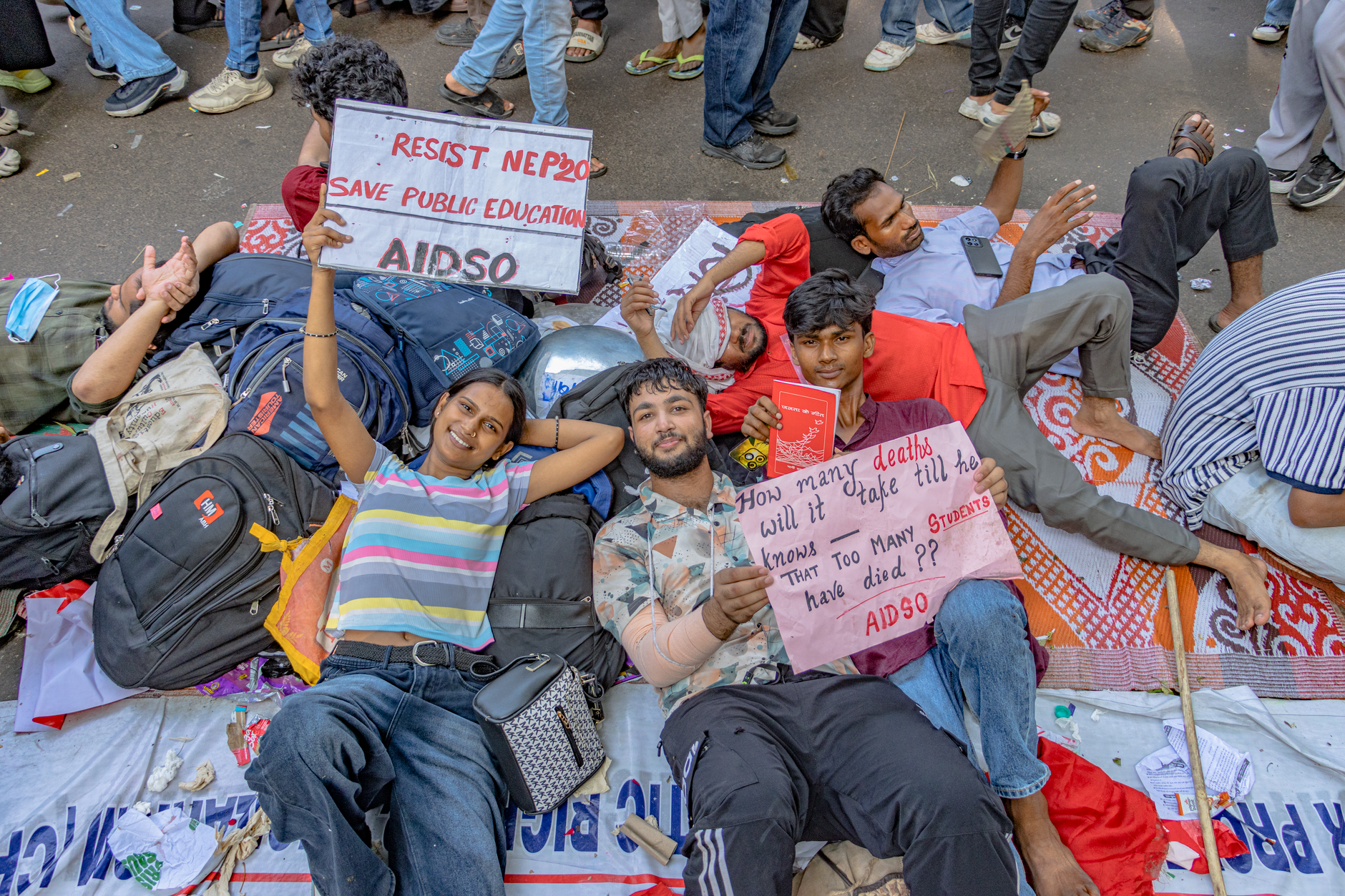
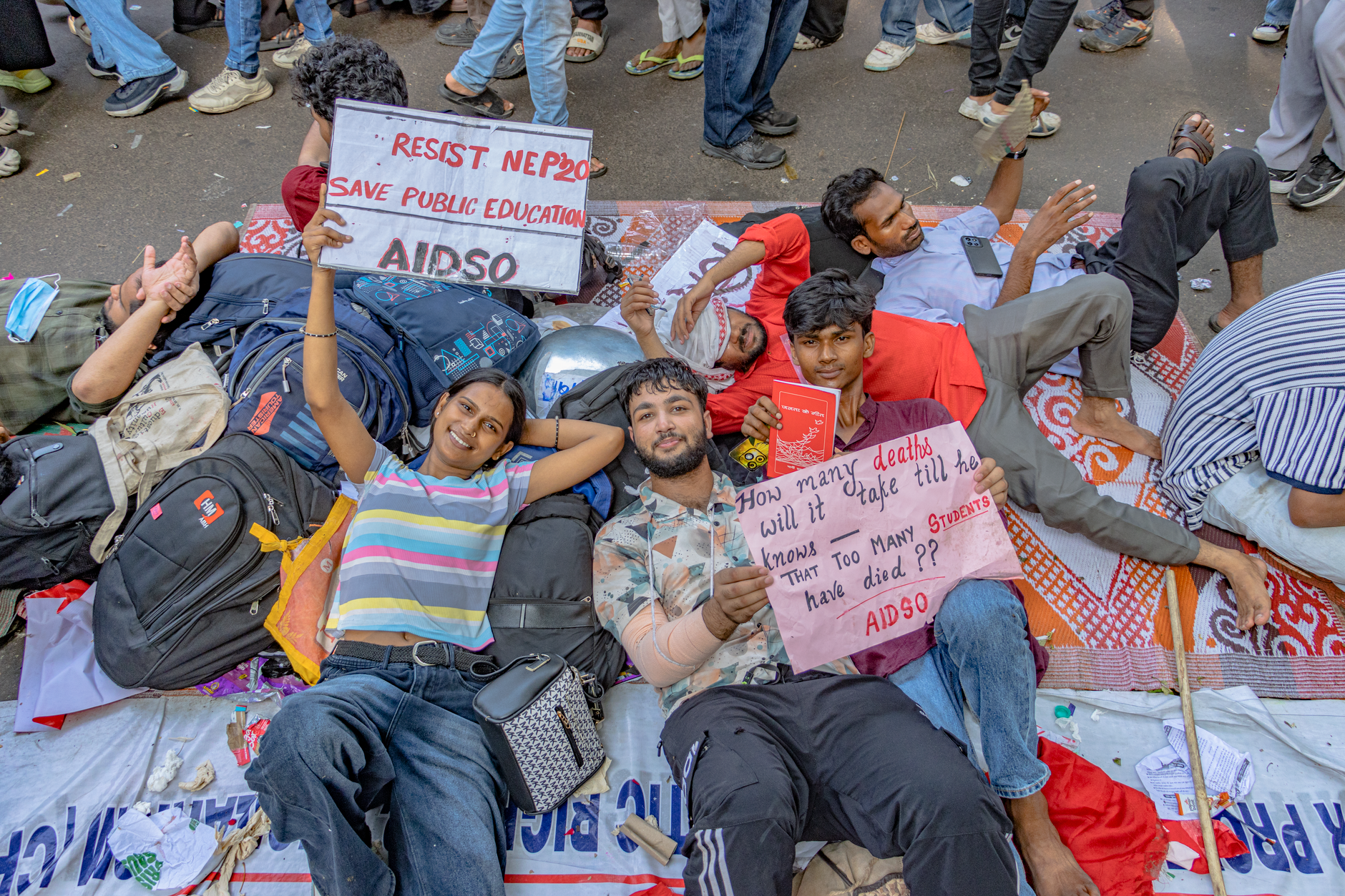
The National Education Policy 2020 aimed to address some of these concerns by promoting multidisciplinary learning, flexibility in subject choices, and vocational education. However, implementation has been slow and uneven across states, and many students continue to experience the same rigid, examination-focused system.
The Coaching Culture and Its Consequences
India's coaching industry, worth billions of dollars, has become a parallel education system. Students often attend regular school during the day and coaching classes in the evening, leading to burnout, mental health issues, and a narrow focus on exam performance rather than holistic learning.
The pressure has contributed to alarming suicide rates among students, particularly in exam seasons. The relentless focus on marks and rankings has created an environment where failure is stigmatized and alternative career paths are often dismissed by families and society.
Digital Divide and Inequality
The COVID-19 pandemic exposed stark inequalities in India's education system. While students in urban areas with internet access could transition to online learning, millions in rural areas and economically disadvantaged communities lost months or years of education. This digital divide has widened existing gaps and left many young people further behind.
Even as schools have reopened, the quality of education varies dramatically between elite private institutions and government schools, between urban and rural areas, and across different states. This inequality means that opportunities and outcomes remain heavily dependent on circumstances of birth rather than merit or effort.
Political Implications
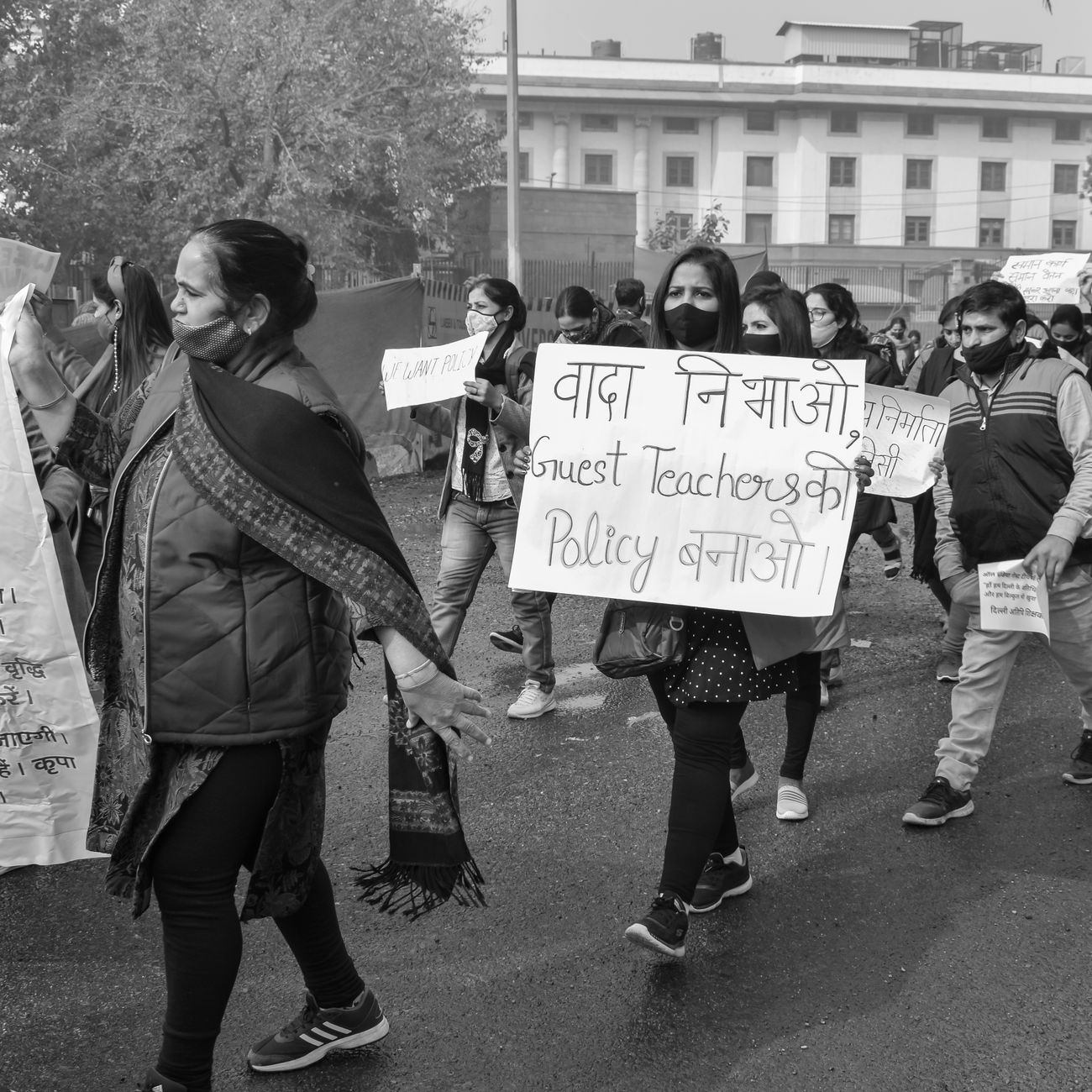
Youth anger over education and employment is translating into political restlessness. Social media has given Gen Z a platform to voice frustrations, organize protests, and demand accountability. Issues like job reservation policies, examination reforms, and corruption in recruitment processes have sparked widespread agitation.
Political leaders face the challenge of addressing these concerns while managing India's complex educational landscape, involving multiple stakeholders including state governments, universities, regulatory bodies, and private institutions. The scale of the problem—with hundreds of millions of students—makes quick fixes impossible.
The Path Forward
Addressing India's education crisis requires systemic reforms: updating curricula to reflect modern job requirements, investing in teacher training, promoting vocational and skill-based education, expanding quality higher education infrastructure, and creating more employment opportunities that match the aspirations of educated youth.
For India to harness its demographic dividend, it must ensure its young population is not just educated on paper but genuinely equipped with knowledge and skills relevant to the 21st century economy. Without meaningful change, the growing frustration of Gen Z could have lasting social and political consequences.
This article is intended for general informational purposes only and does not constitute professional educational or career advice. Readers should consult appropriate experts for guidance specific to their individual circumstances.