India's education system stands at a crossroads. Despite numerous legislative interventions and policy announcements over the years, fundamental challenges persist—from learning poverty and high dropout rates to vast quality disparities between urban and rural schools. The instinct to address educational failings through stricter laws and regulations is understandable, yet it often misses the deeper systemic issues that require more nuanced solutions.
The Limitation of Law-Centric Approaches
Laws and regulations certainly play a role in ensuring minimum standards, accountability, and protection of student rights. India has seen several such measures, from the Right to Education Act to various examination reforms and student safety provisions. However, legal frameworks alone cannot address the multifaceted nature of educational challenges.
Stricter laws may create compliance burdens without necessarily improving learning outcomes. Schools and institutions often focus on meeting regulatory requirements rather than fostering genuine educational excellence. The result can be a tick-box approach to education where adherence to rules takes precedence over innovation, critical thinking, and holistic development.
Infrastructure and Resource Gaps
One of the most pressing issues facing Indian education is the stark inequality in infrastructure. While elite private institutions boast world-class facilities, countless government schools lack basic amenities—functional toilets, clean drinking water, adequate classrooms, libraries, and science laboratories.
No amount of legislation can substitute for the physical resources necessary for quality education. Students cannot be expected to excel when they study in overcrowded classrooms, lack textbooks, or have no access to digital learning tools—increasingly essential in the modern educational landscape.
Resource allocation must go beyond mere budgetary announcements. It requires efficient implementation mechanisms, monitoring systems that track actual utilization, and accountability measures that ensure funds reach their intended destinations.
The Teacher Quality Question
Teachers are the backbone of any education system, yet India faces significant challenges in this domain. Many regions struggle with teacher shortages, particularly in rural and remote areas. Beyond numbers, teacher training and continuous professional development remain inadequate.
- Outdated pedagogical methods that emphasize rote learning over critical thinking
- Limited exposure to modern teaching technologies and methodologies
- Insufficient support systems for teachers dealing with diverse student needs
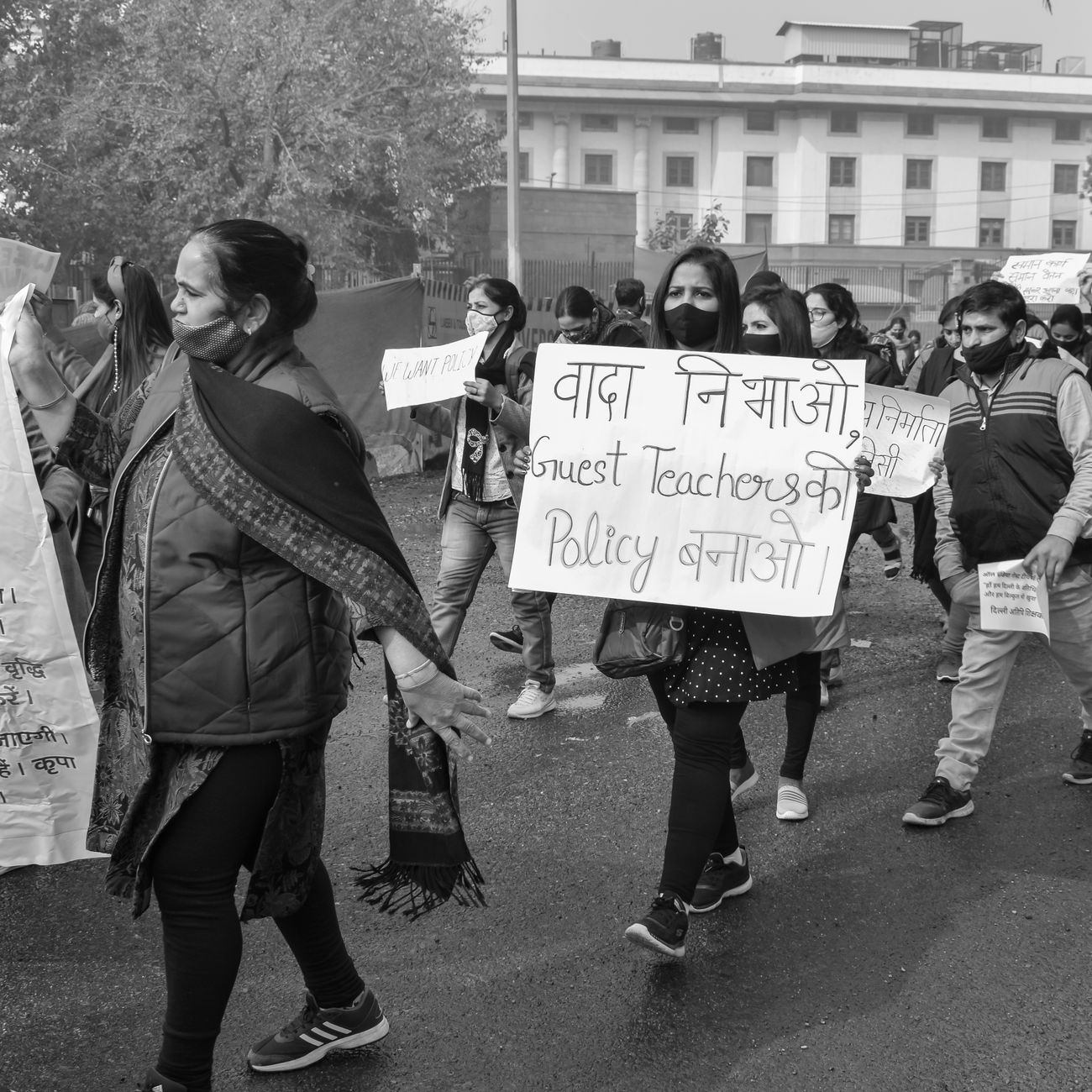
- Low morale resulting from poor working conditions and irregular salaries in some states
Strengthening teacher education institutions, creating attractive career pathways, and establishing robust mentoring systems would address these issues far more effectively than punitive regulations.
Curriculum Relevance and Skill Development
The disconnect between what students learn and what the economy requires represents another critical gap. India's curriculum has often been criticized for emphasizing theoretical knowledge at the expense of practical skills, creativity, and problem-solving abilities.
The rapidly changing job market demands adaptability, digital literacy, and soft skills that traditional curricula don't adequately address. Vocational education remains stigmatized and underutilized, despite its potential to create employment opportunities for millions.
Reforming curricula requires extensive consultation with educators, industry experts, and students themselves. It demands flexibility to incorporate emerging fields while maintaining foundational knowledge across disciplines.
Equity and Access Challenges
Despite progress in enrollment rates, significant populations remain excluded from quality education. Girls in certain regions, children with disabilities, linguistic minorities, and economically disadvantaged communities face barriers that laws alone cannot dismantle.
These barriers are often cultural, economic, and social—requiring community engagement, targeted scholarship programs, inclusive infrastructure, and localized educational content. Mid-day meal schemes and conditional cash transfers have proven more effective at improving enrollment than compulsory education laws in many contexts.
Assessment and Evaluation Reforms
India's examination-centric culture creates immense pressure while often failing to assess genuine understanding or capability. High-stakes board examinations drive coaching culture and rote memorization, leaving little room for curiosity-driven learning.
Moving toward continuous and comprehensive evaluation, project-based assessments, and recognition of diverse talents requires cultural shifts alongside policy changes. Schools need training and resources to implement alternative assessment methods effectively.
The Path Forward
Transforming India's education system requires a multi-pronged approach that addresses root causes rather than symptoms. This includes sustained investment in infrastructure, comprehensive teacher development programs, curriculum modernization aligned with 21st-century skills, technology integration done thoughtfully, and community participation in educational governance.
Successful models exist within India itself—from innovative government school transformations in certain states to effective public-private partnerships. Scaling these successes requires political will, administrative capacity, and long-term commitment beyond electoral cycles.
Stricter laws may occasionally be necessary, particularly for ensuring safety and preventing exploitation. However, they cannot substitute for the hard work of building educational capacity, fostering innovation, and creating an ecosystem where learning thrives naturally rather than through compulsion.