Student protests in India have taken an unusual turn with demonstrations dubbed 'Cockroach' protests, drawing attention to serious concerns within the country's education system. These protests have prompted various responses from government authorities at both central and state levels, revealing the complexities of addressing student grievances in one of the world's largest education systems.
Understanding the 'Cockroach' Protest Movement
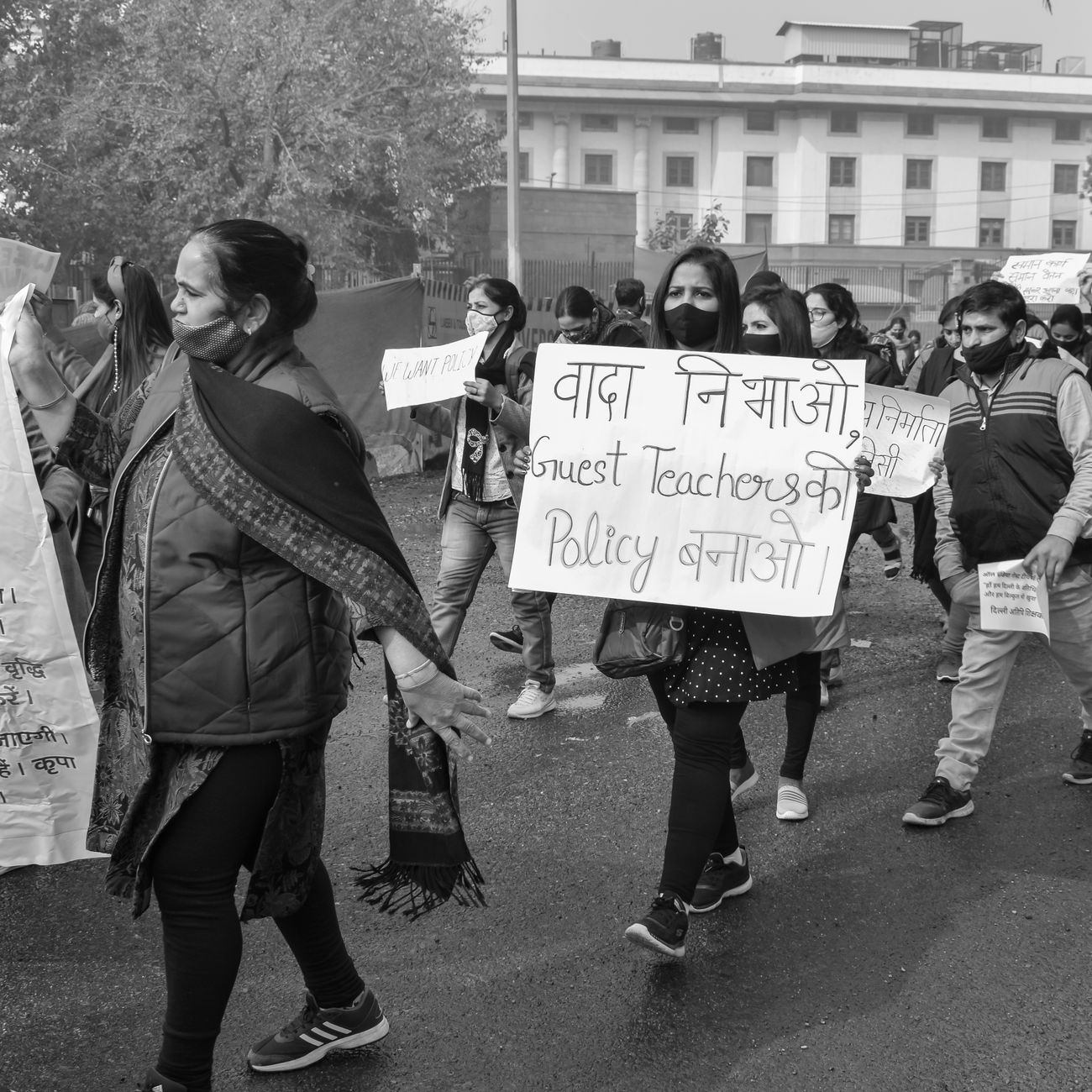
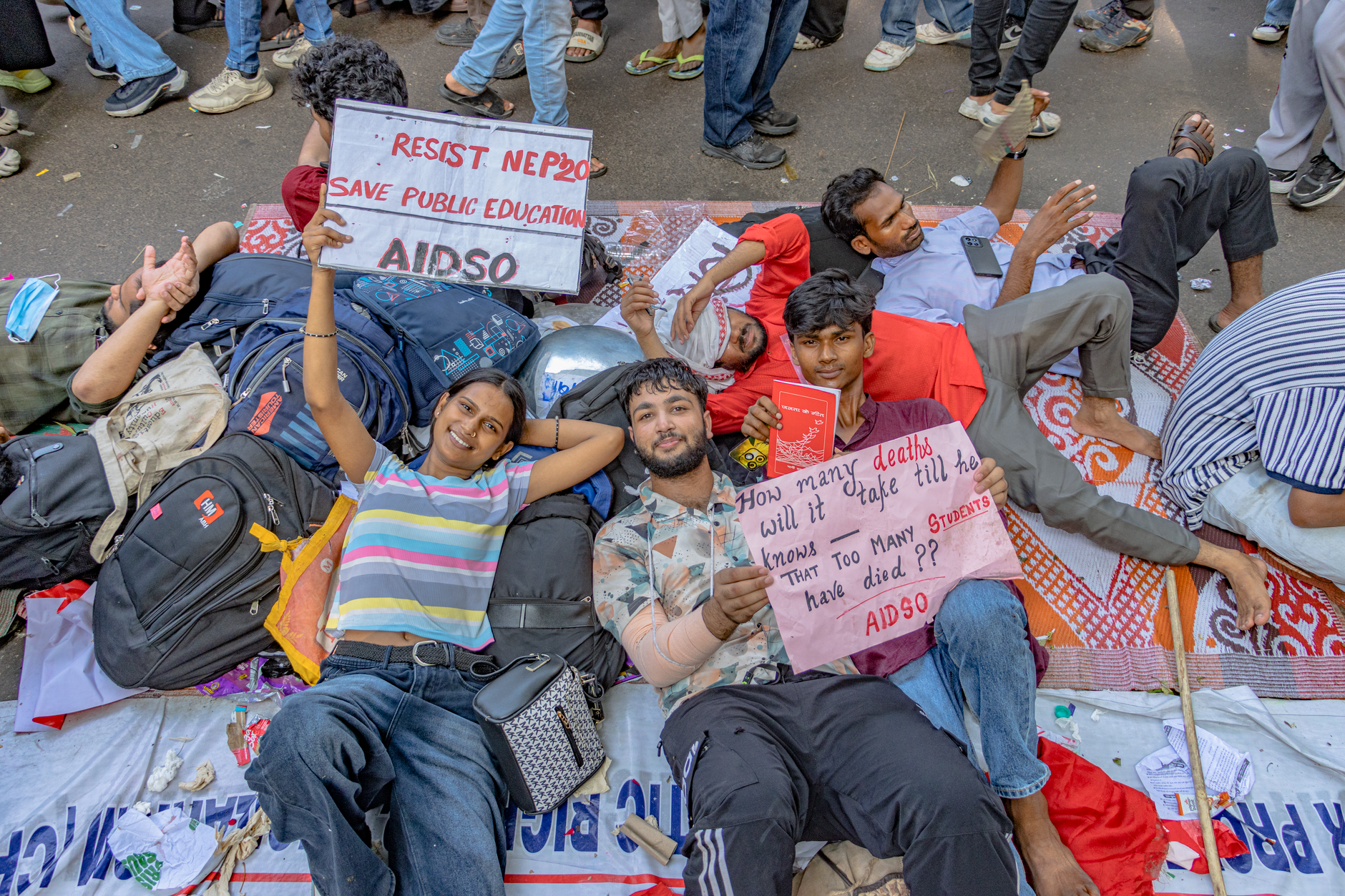
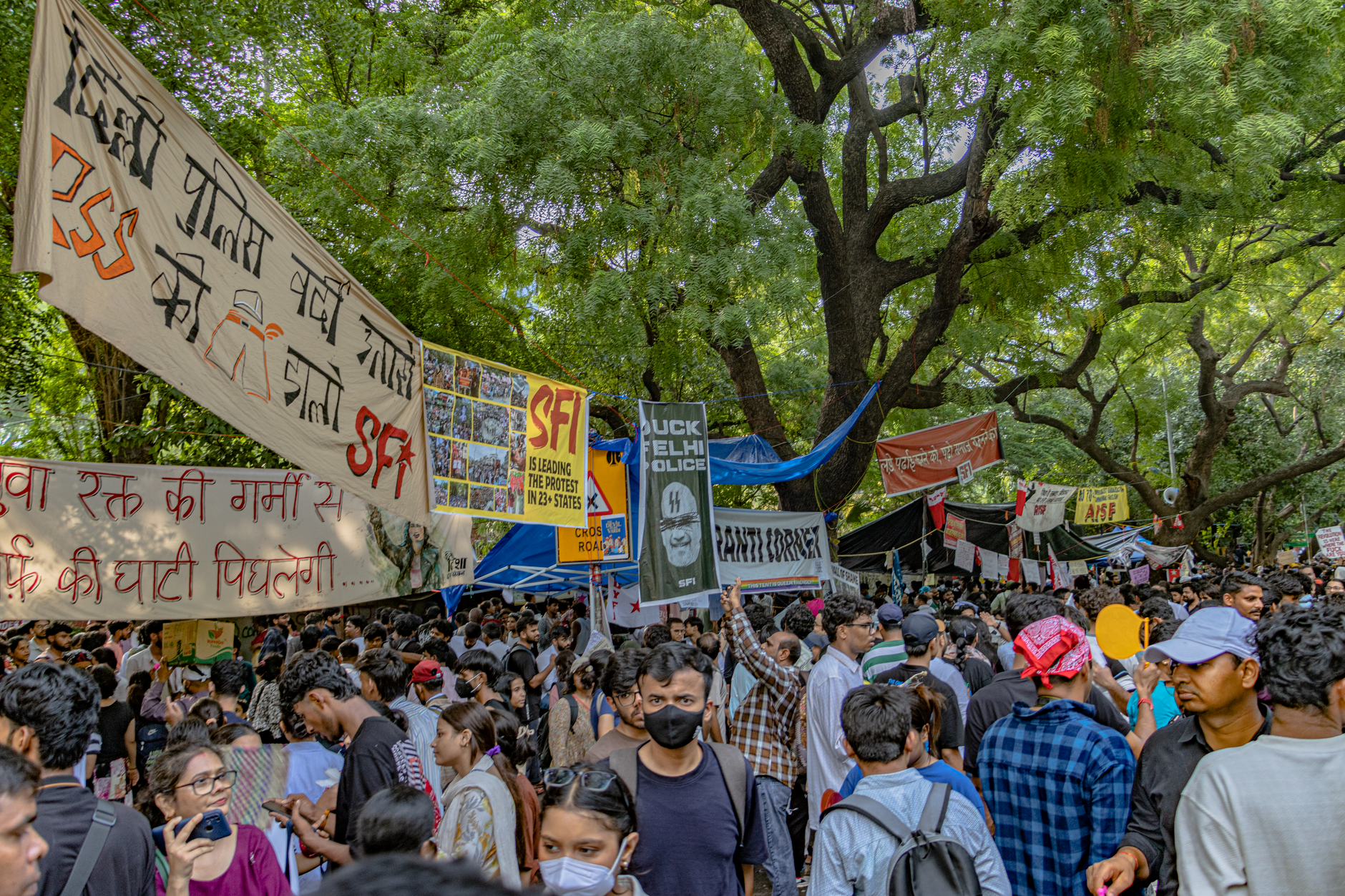
The protests have primarily centered around allegations of irregularities in competitive examinations, poor infrastructure conditions, and administrative failures in educational institutions. Students have used creative methods to draw attention to their concerns, with the symbolic reference highlighting feelings of being treated as dispensable or ignored by the system. These demonstrations have occurred across multiple states, with students demanding accountability, transparency, and urgent reforms.
The term 'Cockroach' has been used metaphorically by protesters to describe either the conditions they endure or how they feel institutions view them—as nuisances rather than stakeholders deserving dignity and proper facilities. This form of protest has resonated particularly with aspirants of competitive examinations who face immense pressure and often questionable examination practices.
Government Response at the Central Level
The central government's response has involved multiple dimensions. Education ministry officials have acknowledged the need for examination reform and have initiated reviews of existing systems. The government has emphasized its commitment to maintaining the integrity of competitive examinations while addressing genuine concerns.
Key responses have included:
- Formation of committees to investigate specific allegations of examination irregularities
- Announcements regarding strengthening of examination conducting bodies
- Promises of technological upgrades to prevent paper leaks and malpractices
- Dialogue initiatives with student representative groups
- Statements emphasizing zero tolerance for corruption in the examination system
State-Level Actions and Variations
Different state governments have responded with varying degrees of urgency and effectiveness. Some states have taken proactive measures, including suspending officials implicated in irregularities and announcing compensation for affected students. Others have faced criticism for delayed responses or attempts to downplay legitimate concerns.
Several state governments have deployed security forces to manage large gatherings, a move that has drawn mixed reactions. While authorities cite public order as justification, critics argue this approach fails to address underlying systemic issues driving the protests.
Institutional Reforms Announced
In response to sustained pressure, several institutional reforms have been announced or implemented. These include enhanced security protocols for examination papers, introduction of biometric authentication systems, and establishment of grievance redressal mechanisms specifically for examination-related complaints.
The National Testing Agency and various state-level examination boards have been directed to modernize their operations and improve transparency. Some institutions have begun publishing detailed reports on examination processes and outcomes, though implementation remains uneven across the country.
Challenges in Implementation
Despite official responses, students and education activists have expressed skepticism about the effectiveness of announced measures. Implementation gaps remain significant, with many reforms existing primarily on paper rather than translating into tangible improvements.
The government faces several challenges including:
- Coordination between multiple agencies responsible for different examinations
- Resource constraints affecting infrastructure improvements
- Resistance from entrenched bureaucratic interests
- Scale of the education system making uniform implementation difficult
- Balancing security concerns with students' right to peaceful protest
Political Dimensions and Criticism
The protests have also acquired political dimensions, with opposition parties highlighting the issue as evidence of governmental failure in managing the education sector. The ruling establishment has countered by pointing to ongoing reform initiatives and accusing certain groups of politicizing genuine student concerns.
Civil society organizations and education experts have called for sustained dialogue rather than adversarial approaches. They emphasize that addressing root causes—including the intense competition for limited opportunities, inadequate institutional capacity, and systemic corruption—requires long-term commitment beyond immediate crisis management.
Looking Forward
The 'Cockroach' protests have undeniably brought examination reform and student welfare to the forefront of public discourse. Whether government responses translate into meaningful, lasting change will depend on consistent implementation, adequate resource allocation, and genuine engagement with student communities.
The situation highlights broader challenges facing India's education system as it attempts to serve hundreds of millions of students while maintaining quality and fairness. How authorities navigate these protests may set important precedents for addressing student activism and educational governance in the coming years.
The ongoing developments serve as a reminder that education policy cannot be divorced from the lived experiences of students who navigate an increasingly competitive and often opaque system.