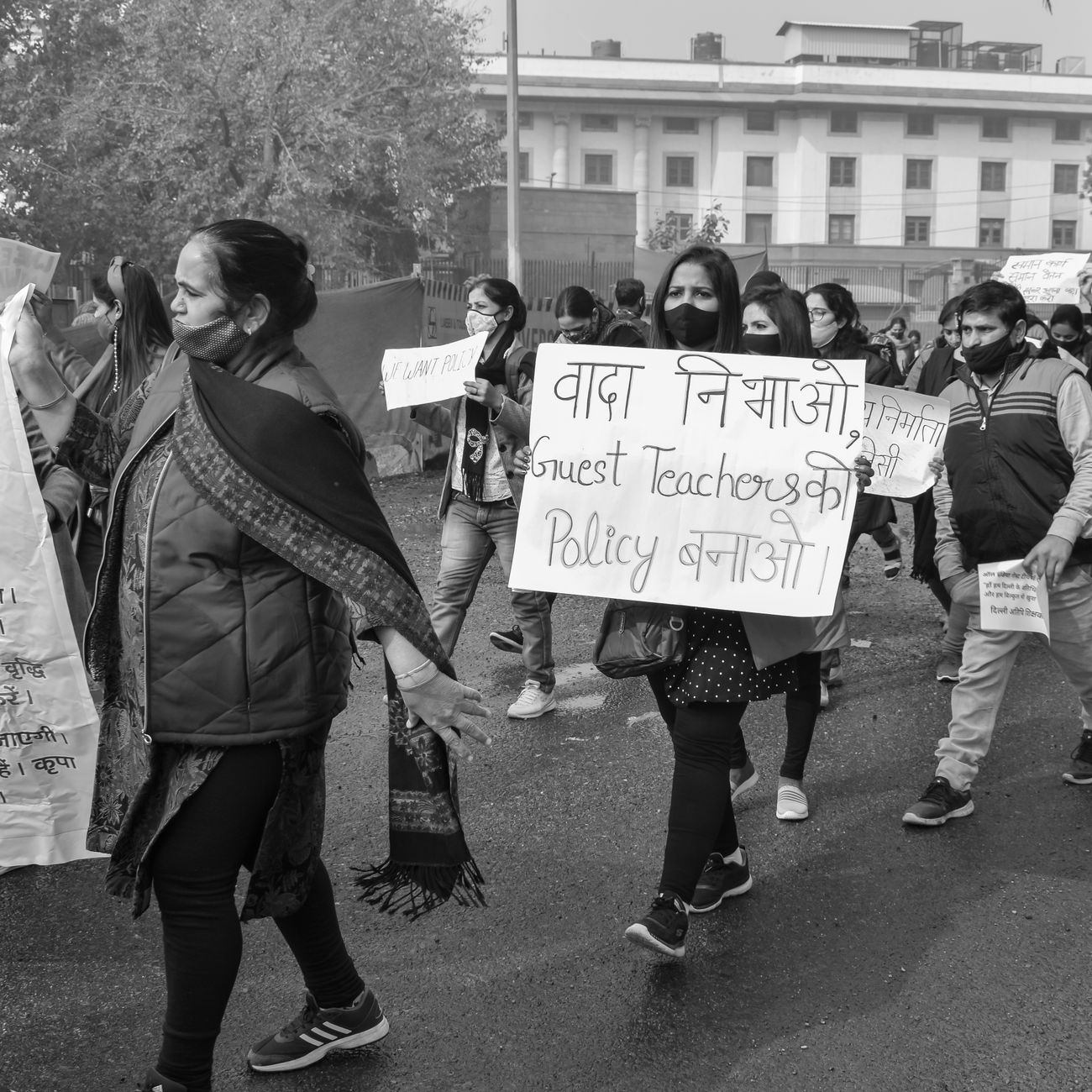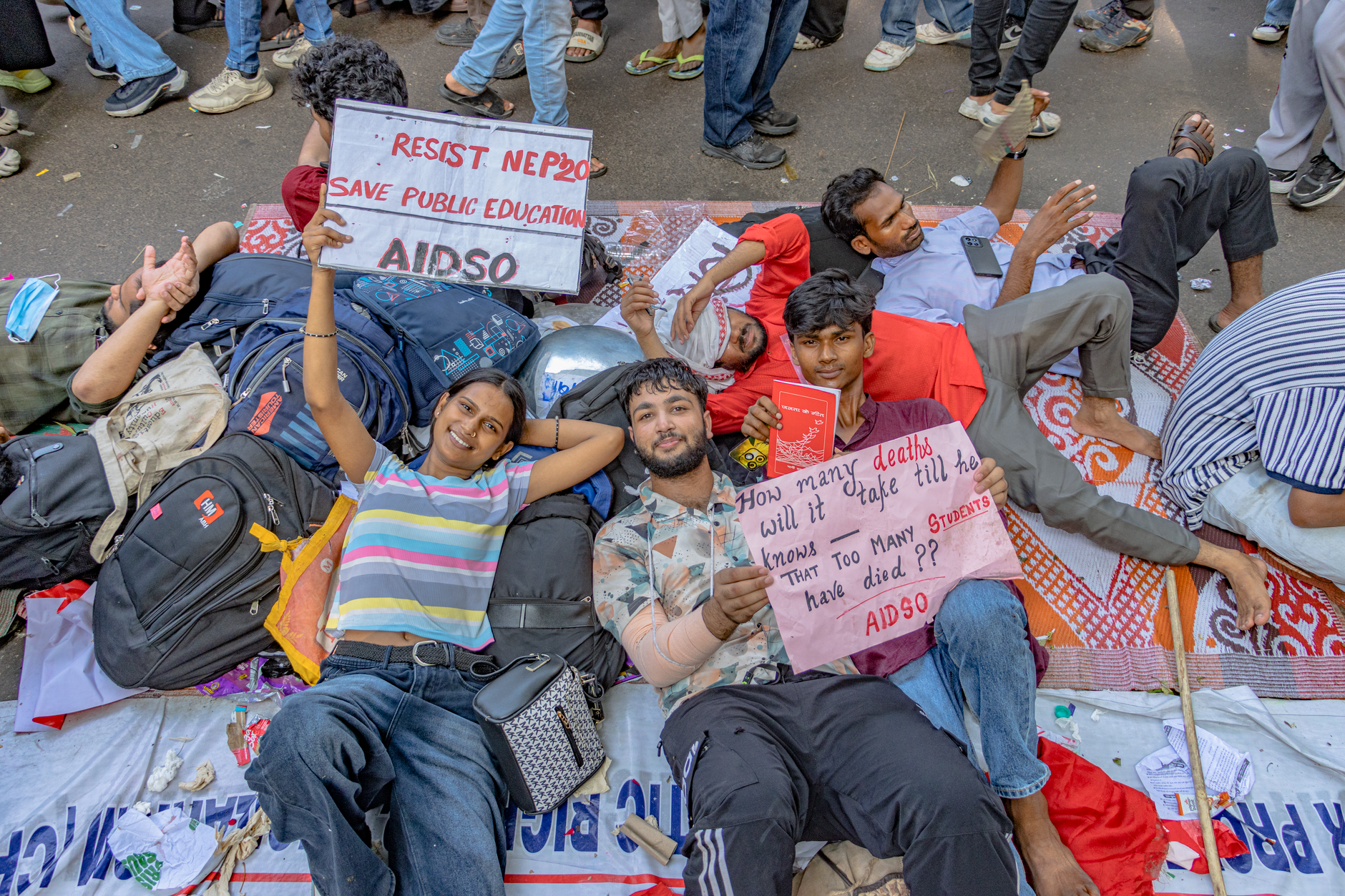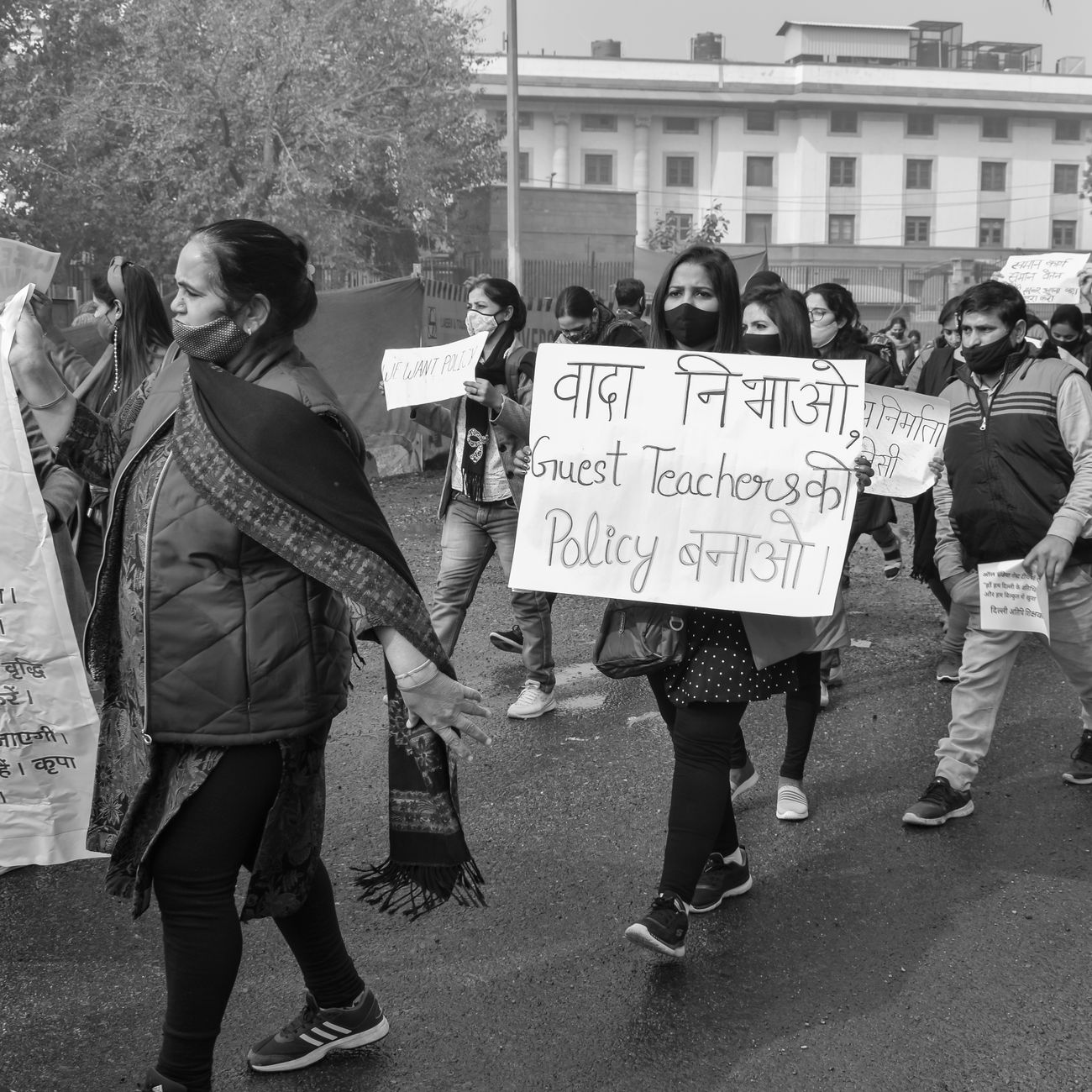
India's public examination system, which serves as the gateway to government jobs, higher education, and professional careers for millions of young people, is undergoing significant transformation following unprecedented youth protests that erupted across the country. The demonstrations, driven by frustration over examination malpractices, paper leaks, and systemic inefficiencies, have forced authorities to acknowledge deep-rooted problems and commit to comprehensive reforms.
The Scale of India's Examination System
India conducts one of the world's largest and most complex public examination systems. Each year, tens of millions of students appear for various competitive exams administered by central and state agencies. These include entrance tests for civil services, railway jobs, banking positions, medical and engineering colleges, and teaching posts. For many young Indians, particularly those from economically disadvantaged backgrounds, success in these exams represents the primary pathway to economic mobility and social advancement.
The sheer volume of aspirants—often millions competing for mere thousands of positions—creates immense pressure on both the examination infrastructure and the candidates themselves. This pressure cooker environment has unfortunately made the system vulnerable to various forms of manipulation and corruption.
What Triggered the Protests
The recent wave of protests was sparked by a series of high-profile examination scandals. Paper leaks, where question papers were allegedly circulated before exams, undermined the integrity of several major tests. Students invested years of preparation and significant financial resources only to find their efforts potentially wasted due to compromised examinations.
Additionally, technical glitches during computer-based tests, delays in result declarations, arbitrary changes in exam patterns, and allegations of answer key errors fueled widespread discontent. Social media amplified student grievances, helping coordinate protests across multiple cities simultaneously.
The protests were notable for their scale and persistence, with students from diverse backgrounds—urban and rural, across various states—uniting around common demands for transparency, accountability, and systemic reform.
Key Reforms Being Implemented
In response to sustained pressure, examination authorities and the government have announced several significant changes:
- Enhanced security protocols including advanced encryption for question papers and stricter custody chains from creation to distribution
- Increased use of biometric verification and CCTV surveillance at examination centers to prevent impersonation and cheating
- Standardization of examination processes across different conducting bodies to reduce inconsistencies
- Creation of dedicated anti-paper leak units with investigative powers and stricter penalties for those involved in malpractices
- Improved grievance redressal mechanisms allowing students to challenge answer keys and seek timely responses
- Greater transparency in examination processes, including clearer communication about evaluation criteria and normalization procedures
- Expansion of examination infrastructure to reduce overcrowding at centers and improve testing conditions
Addressing Technological Challenges
Recognizing that many controversies arose from technical failures during computer-based tests, authorities are investing in robust digital infrastructure. This includes backup systems to prevent server crashes, improved software testing before deployment, and contingency plans for technology failures.
There is also discussion about adopting adaptive testing technologies and artificial intelligence for more sophisticated question generation, making paper leaks more difficult while potentially providing more personalized assessment experiences.
Structural Changes to Examination Bodies
Beyond operational improvements, calls for institutional reform have grown louder. Proposals include greater autonomy for examination conducting agencies, professional training for staff involved in question paper creation and evaluation, and regular audits of examination processes by independent bodies.
Some experts advocate for consolidating multiple examination agencies to reduce duplication and improve efficiency, though this remains a subject of ongoing debate given India's federal structure and the diverse needs of different sectors.
The Broader Context
These reforms occur against the backdrop of India's youth unemployment challenges. With limited formal sector job creation relative to the number of educated young people entering the workforce annually, competition for government positions—which offer job security and social prestige—has intensified dramatically.
This reality means that examination reforms, while necessary, represent only part of the solution. Economic policies that generate quality employment opportunities must complement efforts to ensure fair testing systems.
Looking Forward
The success of these reforms will depend on sustained implementation and political will beyond the immediate crisis. Students and advocacy groups remain vigilant, monitoring whether announced changes translate into tangible improvements.
The examination system reforms also reflect broader questions about India's approach to education and employment. As the country's demographic dividend continues, creating credible, efficient pathways for youth advancement remains critical for social stability and economic growth.
For now, the youth protests have succeeded in placing examination reform firmly on the national agenda, demonstrating the power of collective action in demanding institutional accountability.