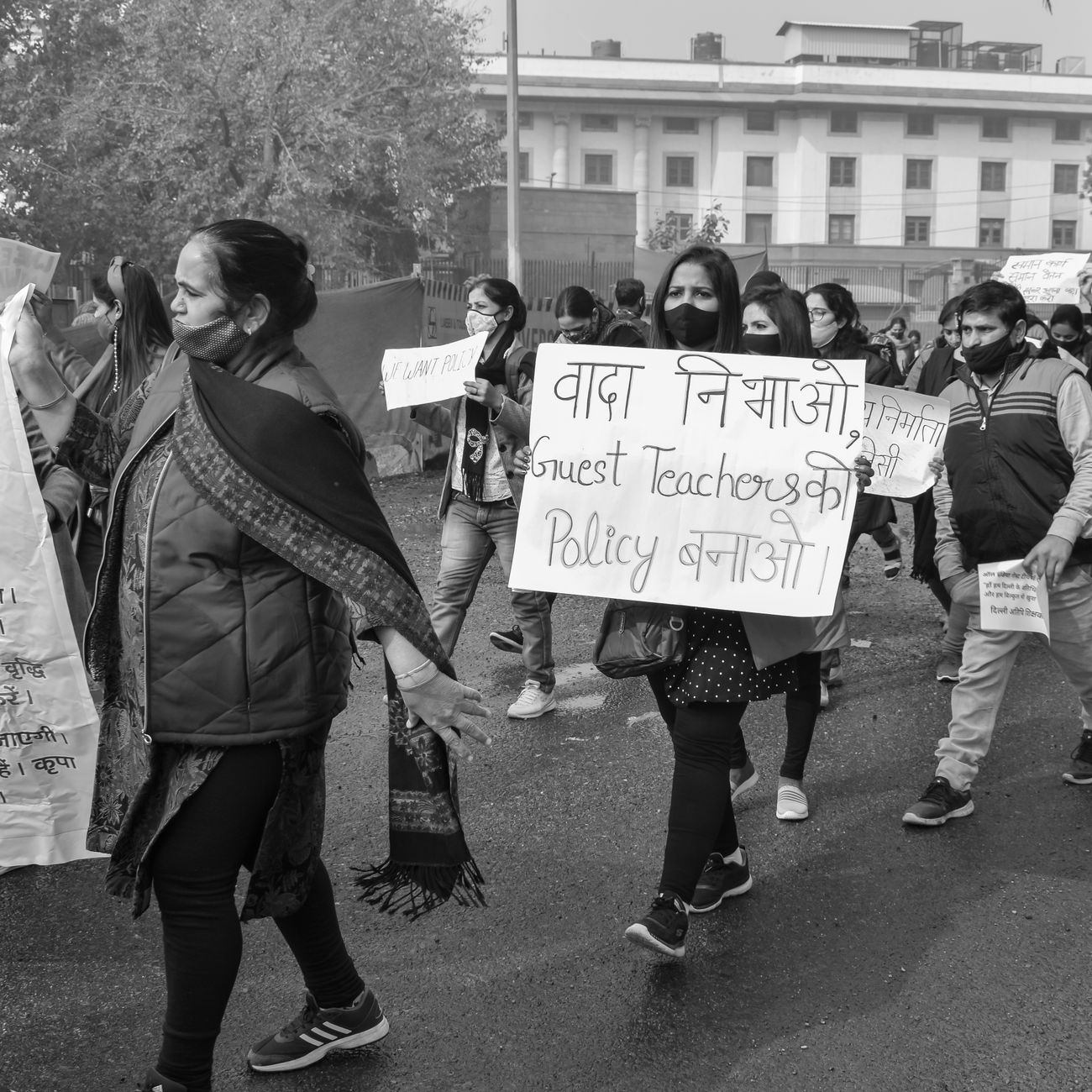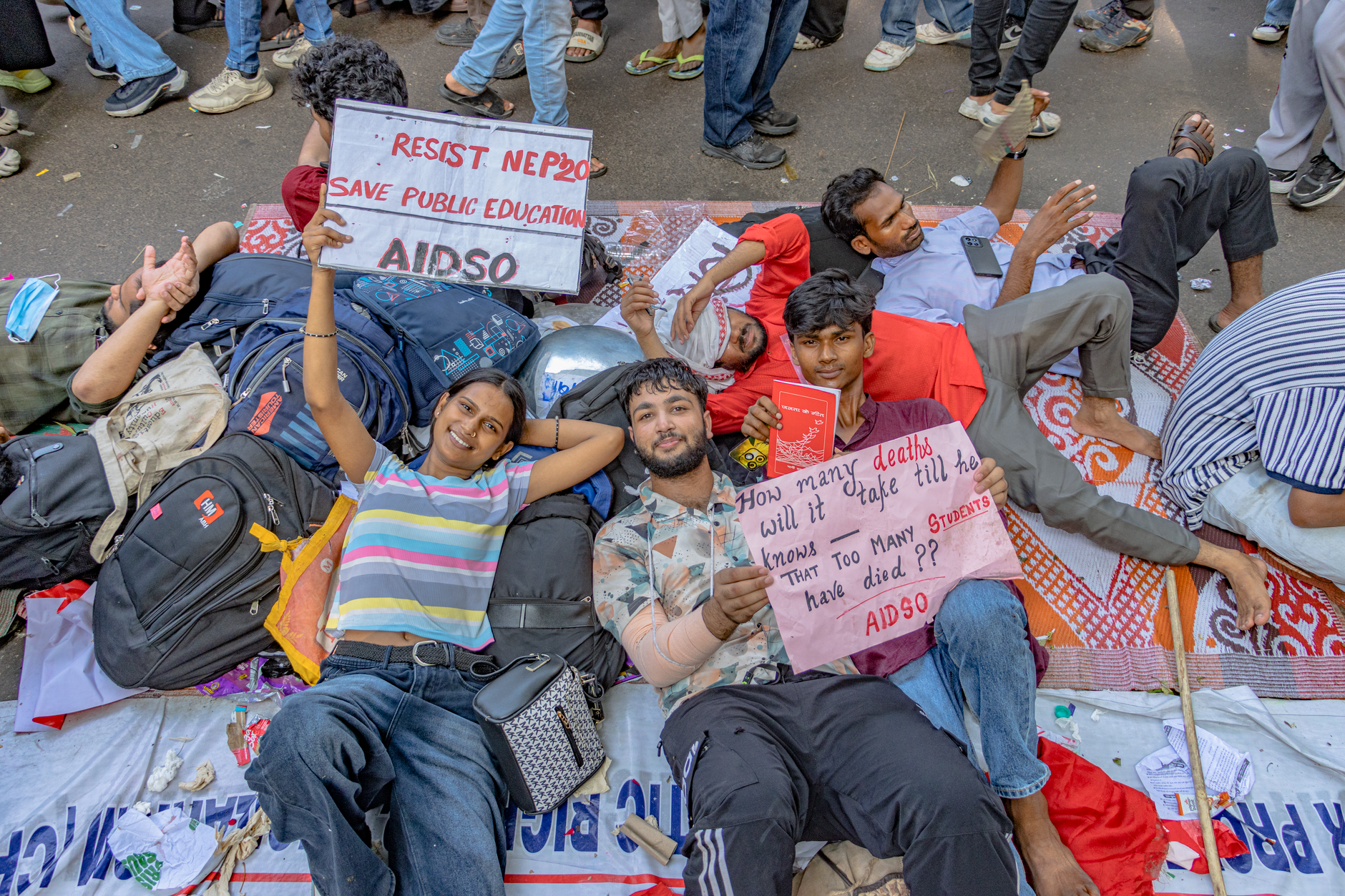
India's education sector has witnessed a significant political development as Education Minister Dharmendra Pradhan resigned from his position following sustained student protests. The movement gained particular attention for its unique identity, with protesters reclaiming the term "cockroach" as a symbol of resilience after it was reportedly used in a derogatory manner toward demonstrating students.
Background of the Protests
Student-led demonstrations have been a recurring feature of India's political landscape, with young people increasingly vocal about education policies, examination reforms, and institutional governance. The recent wave of protests that led to ministerial resignation centered on grievances related to education policy implementation and administrative decisions affecting students across the country.
The protesters' adoption of the "cockroach" label represents a form of political symbolism common in modern protest movements, where activists reclaim derogatory terms as badges of honor. This strategy transforms intended insults into rallying cries, demonstrating resilience and unity among demonstrators.
Key Issues Driving Student Discontent
Several factors have contributed to growing frustration among India's student community in recent years. These include concerns about examination patterns, admission procedures, and the implementation of new education frameworks that affect millions of students nationwide.
The National Education Policy 2020, which introduced sweeping reforms to India's education system, has been a subject of intense debate. While supporters argue it modernizes education delivery and promotes flexibility, critics have raised concerns about implementation challenges, resource allocation, and the impact on various student communities.
Additional grievances often cited in student movements include infrastructure deficits in educational institutions, questions about academic autonomy, and concerns about employment prospects for graduates in a competitive job market.
The Power of Student Movements in India
India has a long history of impactful student activism, dating back to the independence movement. Student organizations and unions have traditionally played significant roles in shaping education policy and broader political discourse. Universities and colleges across the country have been incubators for political consciousness and social change.
Modern student protests often leverage social media platforms to organize demonstrations, share information, and build solidarity across different regions. This digital dimension has amplified the reach and impact of student movements, enabling rapid mobilization and sustained campaigns.
Political Implications of the Resignation
Ministerial resignations following public protests represent significant political events with potential ripple effects. Such developments can influence government credibility, policy trajectories, and the relationship between educational institutions and political authorities.
The resignation also raises questions about accountability in public office and the responsiveness of government institutions to citizen concerns. When student protests successfully achieve stated objectives, it can embolden other advocacy movements and set precedents for public engagement with policy decisions.
Challenges Facing India's Education Sector
India's education system serves one of the world's largest student populations, with hundreds of millions of learners across primary, secondary, and tertiary levels. Managing this vast system presents enormous logistical, financial, and administrative challenges.
Key challenges include:
- Ensuring quality education across urban and rural areas
- Managing the transition from traditional to reformed education frameworks
- Addressing infrastructure gaps in educational institutions
- Balancing centralized policy with regional diversity
- Creating pathways from education to employment
- Maintaining academic standards while expanding access
The Path Forward
With the education minister's resignation, attention now turns to who will assume responsibility for the portfolio and what policy directions may follow. Students and education stakeholders will be watching closely to see whether their concerns are addressed through substantive policy changes or administrative reforms.
The resolution of this particular protest movement does not necessarily signal an end to student activism around education issues. Ongoing monitoring of policy implementation and continued dialogue between students, educational institutions, and government authorities will be essential for maintaining stability and trust in the education sector.
The incident also underscores the importance of effective communication and consultation in policy formulation, particularly when changes affect large populations of young people whose futures are directly impacted by education decisions.
This article provides general information about recent developments in India's education sector and related political events. Readers should consult current news sources for the latest updates and official statements regarding specific policy changes or administrative decisions.