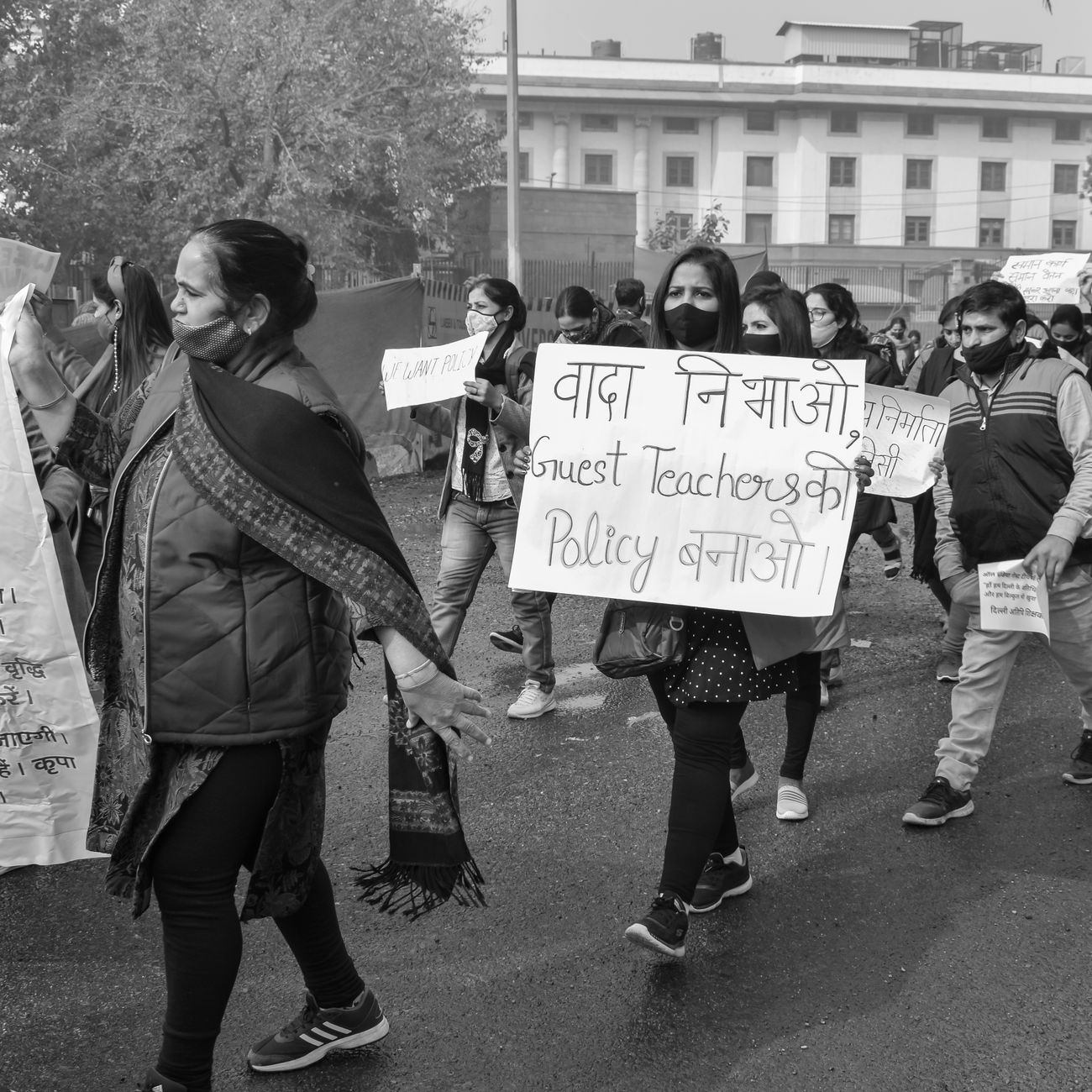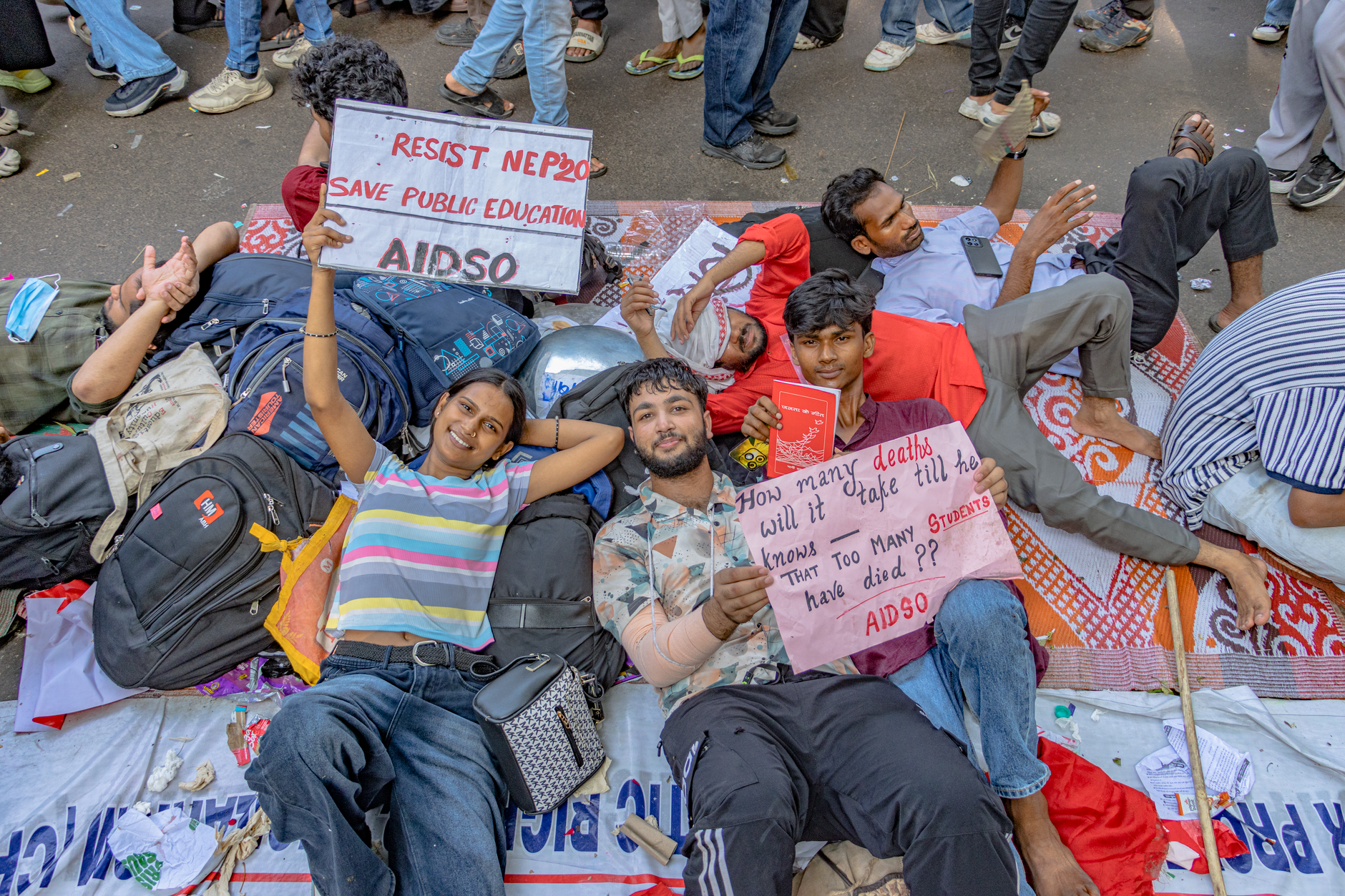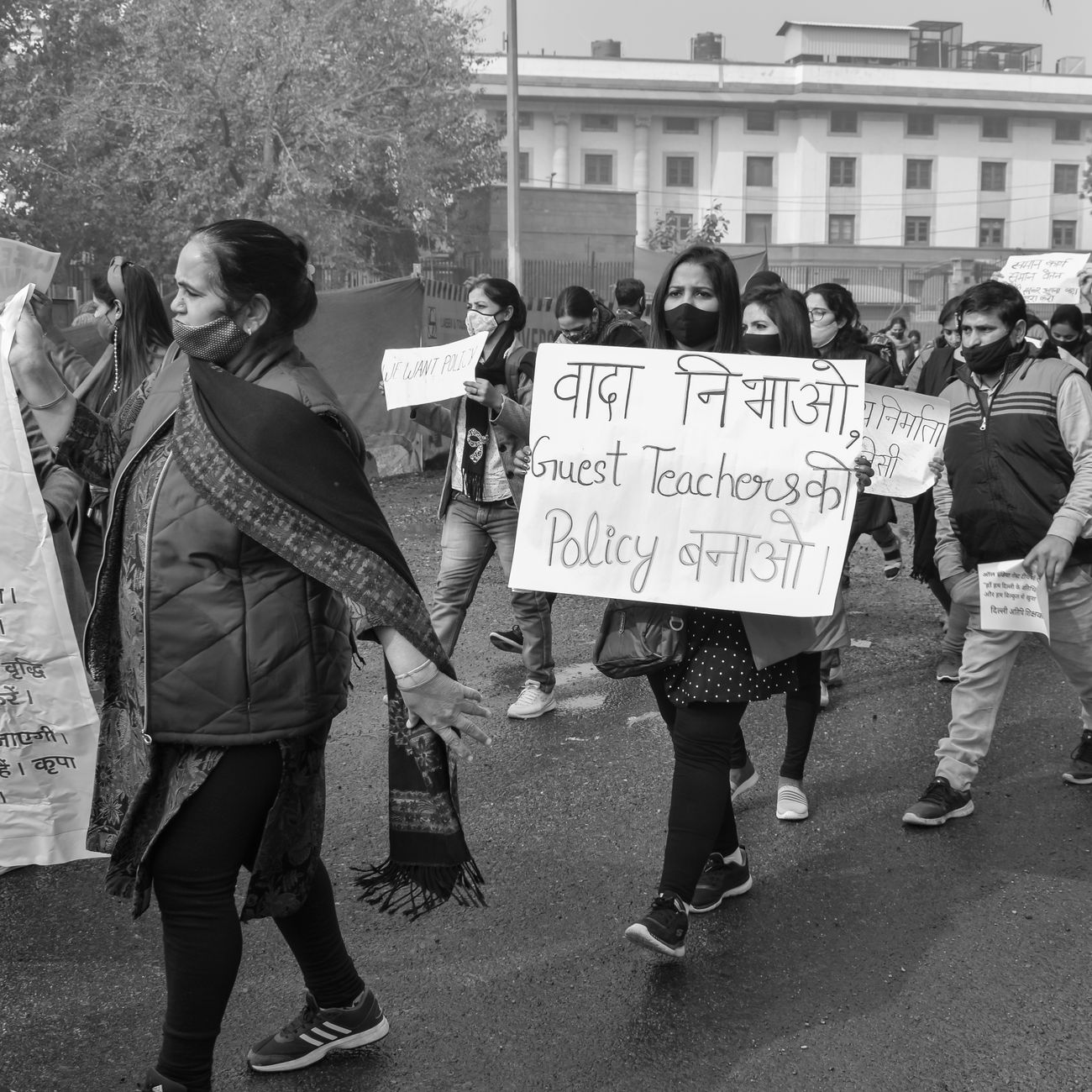
The recent resignation of India's education minister has sparked widespread celebrations among protesters who had been demanding change in the country's educational administration. This development highlights the growing activism around education policy in India and raises important questions about the future direction of the sector.
Understanding the Context of Educational Protests
Educational reforms in India have long been a contentious issue, with various stakeholders including students, teachers, parents, and academic institutions often finding themselves at odds with government policies. Protests in the education sector typically revolve around issues such as curriculum changes, examination reforms, admission policies, fee structures, and the overall quality of education delivery.
In recent years, India's education system has undergone significant changes, including the implementation of the National Education Policy 2020, which proposed sweeping reforms across school and higher education. While some welcomed these changes as modernization efforts, others raised concerns about implementation, consultation processes, and potential impacts on accessibility and quality.
Common Grievances in India's Education Sector
Several recurring issues have fueled dissatisfaction with educational administration in India:
- Inadequate consultation with stakeholders before implementing major policy changes
- Concerns about privatization and commercialization of education
- Questions about curriculum content and its alignment with diverse cultural contexts
- Examination system reforms and their impact on student welfare
- Faculty recruitment policies and working conditions for teachers
- Funding allocations for public educational institutions
- Language policies and medium of instruction debates
- Accessibility and inclusion for marginalized communities
The Power of Student and Teacher Movements
India has a strong tradition of student and teacher activism. University campuses have historically been spaces for democratic debate and protest, with students often leading movements on issues ranging from fee hikes to academic freedom. Teacher unions similarly wield considerable influence in advocating for educational workers' rights and policy changes.
When these groups mobilize together with parents and civil society organizations, they can create significant pressure on political leadership. The resignation of a cabinet minister following such protests demonstrates the potential impact of sustained, organized civic action.
Implications for Education Policy Going Forward
A ministerial resignation in response to protests can have several consequences for the education sector. It may signal a government's willingness to reconsider controversial policies or at least modify their implementation. However, it also raises questions about continuity in policy execution and whether new leadership will bring substantive change or merely cosmetic adjustments.
For students and parents, such political developments create uncertainty. Ongoing reforms may be paused, accelerated, or reversed depending on the new minister's approach. Educational institutions must navigate this transition while maintaining their core functions of teaching and administration.
The Broader Picture of Educational Governance
This incident reflects larger challenges in educational governance in India, a country with one of the world's largest education systems serving over 250 million students. Balancing the diverse needs of this massive system while implementing reforms requires careful consultation, adequate resources, and sensitive handling of competing interests.
The relationship between political leadership and educational stakeholders remains crucial. Effective education policy requires building consensus among teachers, students, parents, academic experts, and administrators rather than top-down imposition of changes.
What Stakeholders Should Watch For
As the situation evolves, several factors will determine the future trajectory of education policy:
- The appointment and policy stance of the new education minister
- Whether ongoing reforms will continue, be modified, or withdrawn
- How grievances raised by protesters will be addressed
- The government's approach to stakeholder consultation going forward
- Budget allocations and resource commitments for education
- Implementation timelines for pending policy initiatives
Looking Ahead
The celebration of protesters following the minister's resignation reflects their hope for positive change in India's education sector. However, true transformation requires more than leadership changes. It demands sustained engagement, adequate funding, evidence-based policymaking, and genuine commitment to improving educational outcomes for all students, particularly those from disadvantaged backgrounds.
The coming months will reveal whether this resignation represents a turning point in educational governance or merely a temporary disruption in ongoing policy trajectories. What remains certain is that education will continue to be a critical area of public concern and political attention in India.
This article provides general information about recent developments in India's education sector and should not be considered as specific advice on any educational decisions or policies.
===END===