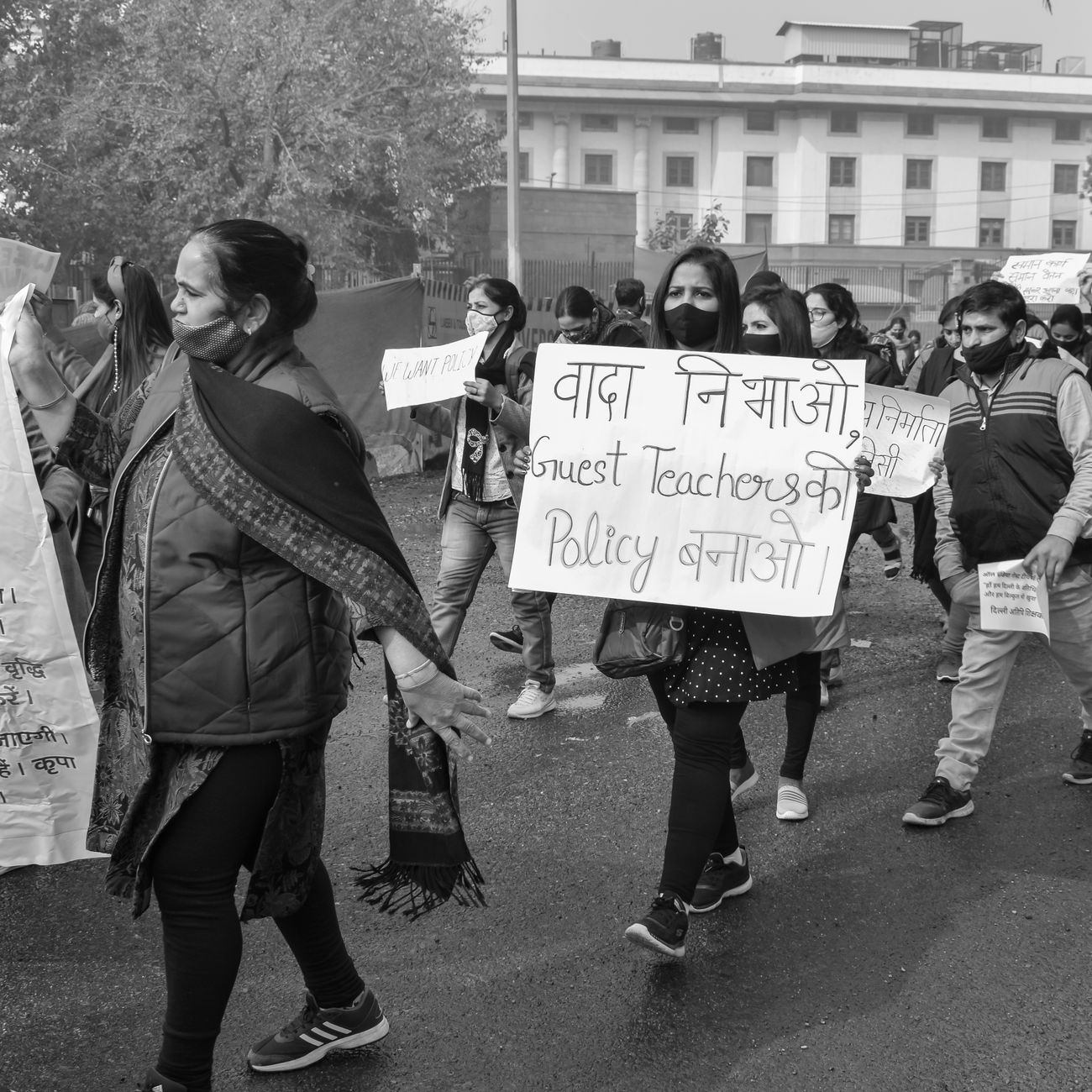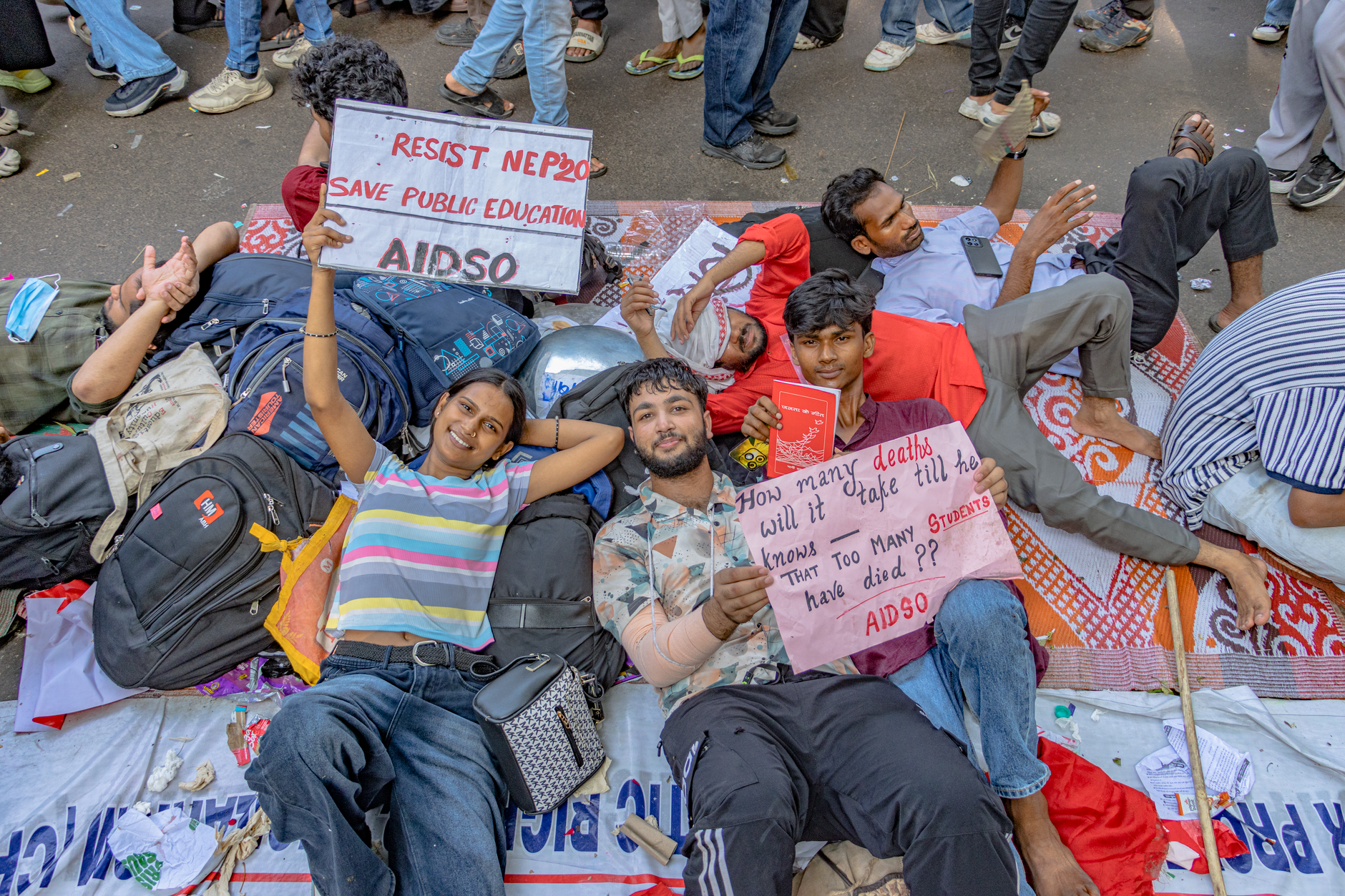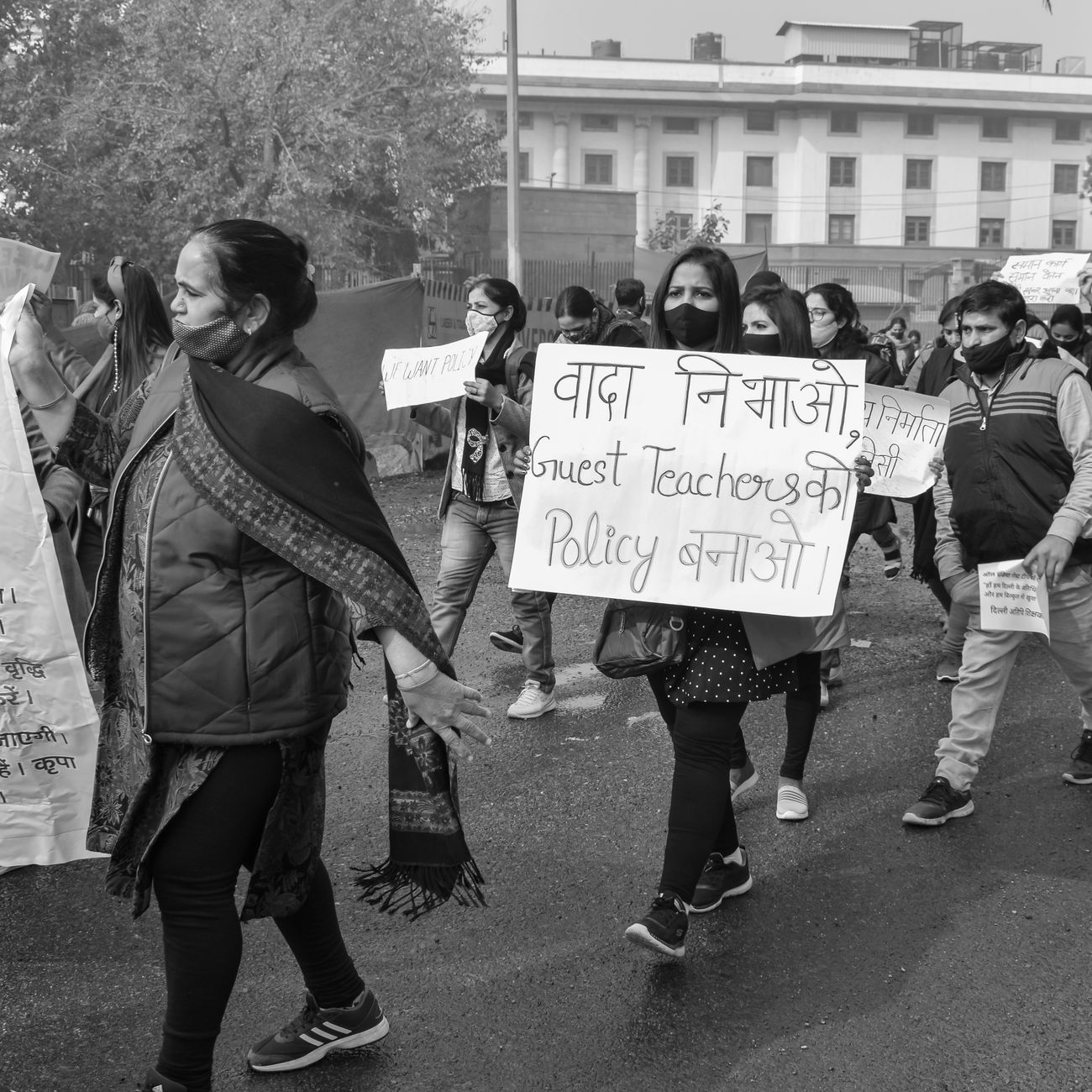
India's democracy, often celebrated as the world's largest, has witnessed a remarkable resurgence of grassroots activism through student-led protests that have captured national attention. These demonstrations, emerging from educational institutions across the country, represent more than just campus grievances—they signal a fundamental reawakening of democratic principles among young Indians.
The Rise of Campus Activism
Student protests in India are nothing new, with a rich history dating back to the independence movement. However, the current wave of activism differs in its scope, organization, and use of technology. Young protesters have leveraged social media platforms to coordinate demonstrations, share information, and build solidarity across different campuses and cities. This digital-first approach has allowed movements to spread rapidly and garner support beyond traditional organizational structures.
The protests have centered around various issues affecting the education sector, including fee hikes, admission policies, infrastructure concerns, and broader questions about academic freedom and institutional autonomy. What distinguishes these movements is their ability to connect campus-specific grievances to larger democratic concerns affecting Indian society.
Democracy and Educational Institutions
Universities and colleges have historically served as laboratories for democratic practice. When students organize, debate, and collectively voice their concerns, they exercise fundamental democratic rights while developing civic skills that extend beyond campus life. The current protests demonstrate how educational institutions remain crucial spaces for political socialization and democratic engagement.
These movements have also highlighted tensions between administrative authority and student autonomy. Questions about who controls university policies, how decisions are made, and whether student voices are meaningfully incorporated into governance have become central to the discourse. Such debates reflect broader conversations about participation and representation in Indian democracy.
The Symbolism and Strategy
The creative tactics employed by student protesters have drawn comparisons to various historical movements. By using humor, art, and unconventional methods of demonstration, young activists have found ways to draw attention to their causes while avoiding direct confrontation. This strategic approach has made the protests more accessible to broader audiences and harder to dismiss or suppress.
The persistence of these movements, despite facing obstacles, has inspired similar activism in other sectors of society. Workers, farmers, and civil society organizations have drawn lessons from student organizing, creating networks of solidarity that strengthen democratic institutions from below.
Challenges to Democratic Space
The protests have not occurred in a vacuum. They emerge against a backdrop of concerns about shrinking democratic space, increasing polarization, and debates about the role of dissent in a healthy democracy. Student activists have found themselves navigating complex political terrain, where their actions are interpreted through multiple ideological lenses.
Critics of the protests argue that they disrupt educational activities and are influenced by external political forces. Supporters counter that peaceful protest is a legitimate democratic right and that dissent is essential for holding institutions accountable. This debate itself reflects the vitality of democratic discourse, even when stakeholders disagree fundamentally about specific movements.
Impact on Political Consciousness
Beyond immediate demands, these protests have contributed to broader political education among young Indians. Participants gain firsthand experience in collective action, negotiation, coalition-building, and media engagement. These skills have long-term implications for democratic participation, as today's student activists become tomorrow's citizens, professionals, and potentially political leaders.
The movements have also created spaces for discussions about social justice, equality, and rights that extend beyond campus boundaries. Issues of caste, gender, religious identity, and economic inequality have been woven into protest demands, reflecting an intersectional approach to democratic activism.
Looking Forward
The sustained nature of student activism suggests that young Indians are increasingly unwilling to accept unilateral decision-making in institutions that directly affect their lives. This generational shift toward more participatory and accountable governance could have profound implications for Indian democracy's evolution.
Whether these movements result in immediate policy changes or not, their existence strengthens democratic culture by normalizing dissent, encouraging civic engagement, and reminding institutions that legitimacy requires ongoing dialogue with stakeholders. The protests serve as a reminder that democracy is not merely an electoral system but a continuous practice requiring active participation from citizens.
As India's young population continues to grow, the energy, creativity, and commitment demonstrated by student activists may well shape the country's democratic trajectory for decades to come. Their willingness to organize, speak up, and demand accountability represents not a threat to democracy but rather its renewal through the engagement of a new generation.