Nelson Mandela famously said, "Education is the most powerful weapon which you can use to change the world." These words, spoken by a leader who transformed a nation through reconciliation and empowerment, carry profound relevance for India as it grapples with persistent challenges in its education system. While India has made remarkable strides in expanding access to education, quality and equity remain significant concerns that Mandela's wisdom might help address.
The Current State of Indian Education
India's education system is one of the largest in the world, serving over 250 million students across schools and universities. The Right to Education Act of 2009 marked a milestone by making elementary education a fundamental right. However, the gap between enrollment and actual learning outcomes tells a different story. According to various educational surveys, a significant percentage of students in primary grades cannot perform basic reading and arithmetic tasks appropriate to their grade level.
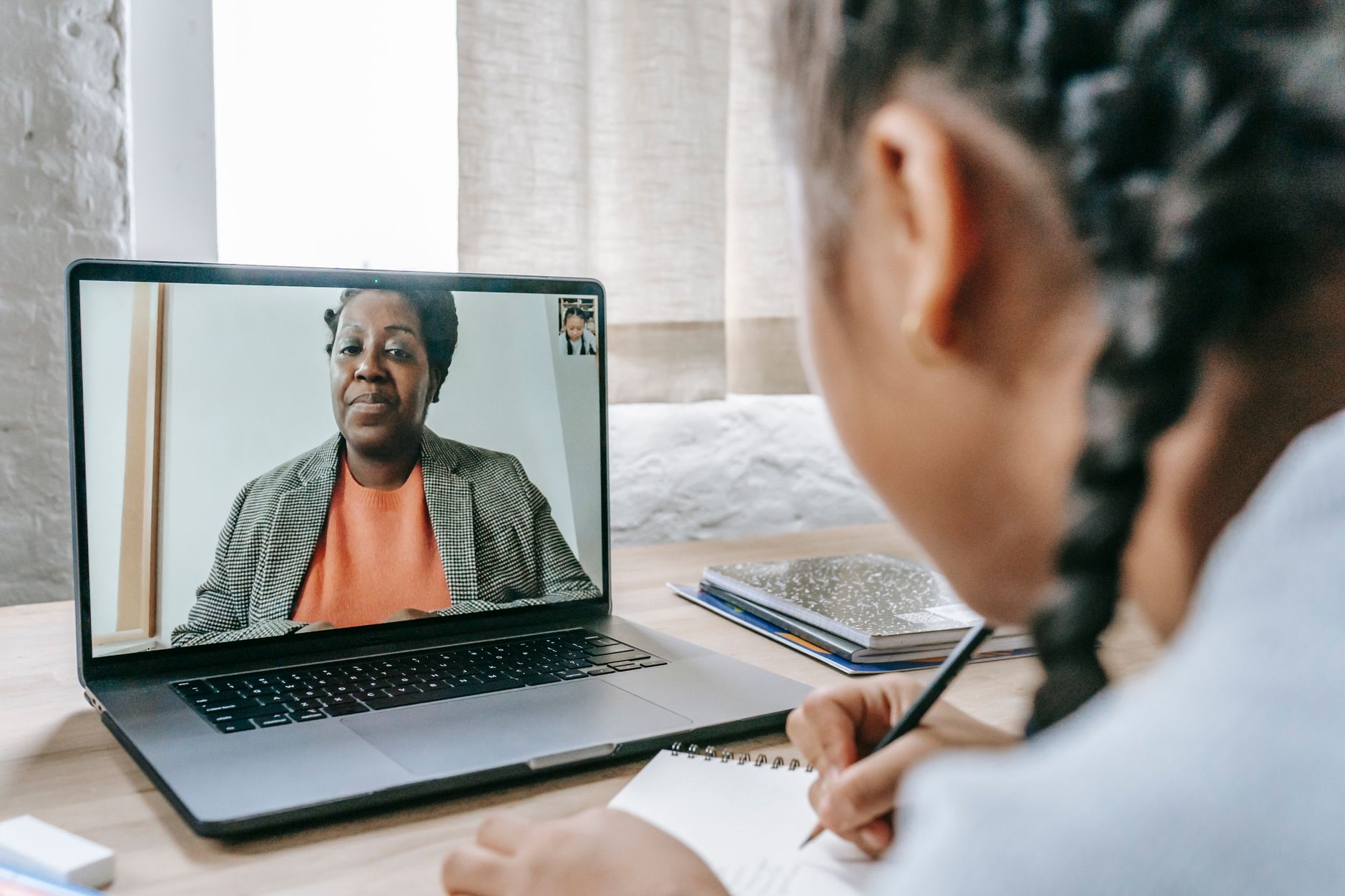
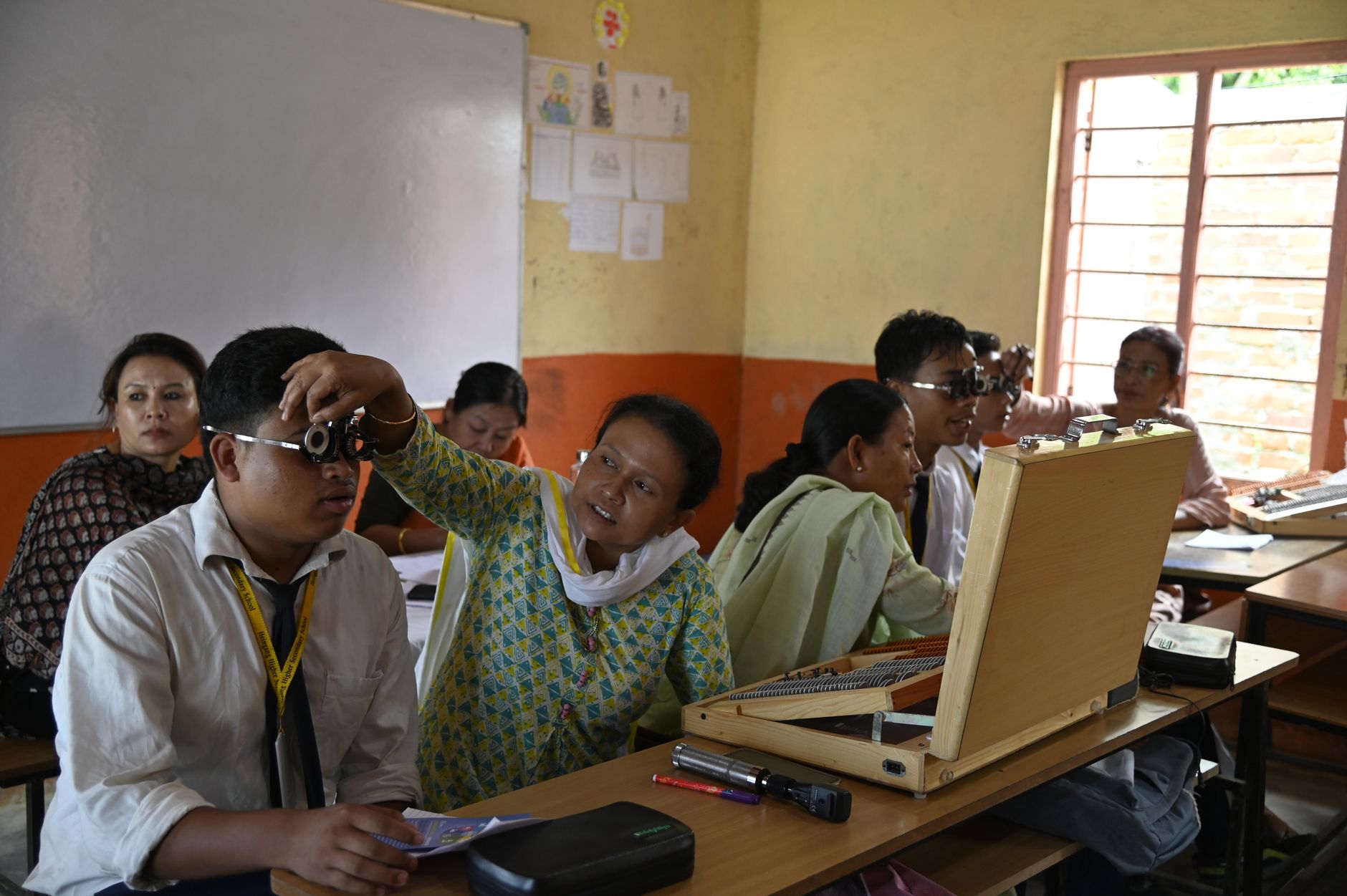
The system faces multiple challenges: overcrowded classrooms, inadequate infrastructure in rural areas, teacher shortages, rote learning practices, and stark disparities between urban and rural schools. The COVID-19 pandemic further widened these gaps, with millions of students from disadvantaged backgrounds losing access to education entirely during lockdowns.
Mandela's Philosophy on Education
Mandela viewed education not merely as a means to acquire knowledge but as a transformative force that could break cycles of poverty, discrimination, and inequality. His approach emphasized several key principles that resonate with India's educational needs.
First, he believed education should be accessible to all, regardless of background. During his presidency, South Africa prioritized expanding educational opportunities to previously marginalized communities. Second, he recognized that quality education must go beyond memorization to develop critical thinking and character. Third, he understood that education serves as the foundation for economic development and social cohesion.
Applying Mandela's Wisdom to Indian Challenges
### Focus on Equity and Inclusion
Mandela's commitment to educational equity offers a blueprint for addressing India's urban-rural divide and caste-based disparities. This means not just building more schools but ensuring that students from marginalized communities receive quality instruction, adequate resources, and supportive environments. Special attention to girls' education, tribal communities, and economically disadvantaged groups could help level the playing field.
### Prioritizing Teacher Development
Quality education begins with quality teachers. Mandela recognized that educators needed proper training, resources, and respect. India's education system would benefit from comprehensive teacher training programs, competitive compensation, and ongoing professional development. Teachers should be equipped not just to deliver curriculum but to inspire and mentor students.
### Moving Beyond Rote Learning
The current emphasis on memorization and exam scores contradicts Mandela's vision of education as empowerment. Indian schools need to foster critical thinking, creativity, problem-solving, and ethical reasoning. This requires curriculum reform, updated teaching methods, and assessment systems that measure understanding rather than recall.
### Education for Nation-Building
Mandela used education to heal divisions and build a unified nation. India, with its diverse population, can similarly leverage education to promote social harmony, democratic values, and civic responsibility. Schools should be spaces where students from different backgrounds interact, learn mutual respect, and develop a shared sense of national purpose while celebrating diversity.
Practical Steps Forward
Several concrete measures could bring Mandela's philosophy to life in Indian classrooms:
- Increase public investment in education, particularly in underserved regions
- Implement robust mid-day meal programs that incentivize attendance and address malnutrition
- Develop digital infrastructure to bridge educational gaps exposed by the pandemic
- Create mentorship programs connecting students with role models from their communities
- Reform examination systems to reduce pressure and encourage holistic development
- Strengthen vocational education pathways alongside academic streams
- Promote mother-tongue instruction in early years while building multilingual capabilities
The Long-Term Vision
Mandela's journey from prisoner to president demonstrated education's transformative power. He often credited his own education with enabling him to lead effectively and envision a better future. India, with its young population, has an unprecedented opportunity to harness education for national transformation.
The goal should not be merely producing graduates but nurturing informed citizens, innovative thinkers, and compassionate leaders. This requires patience, sustained investment, and political will across multiple governments. The returns, however, would be immeasurable: reduced inequality, enhanced economic productivity, stronger democratic institutions, and a more cohesive society.
Mandela's words remind us that education is not just about individual advancement but collective progress. As India works toward becoming a developed nation, embracing this wisdom could be the key to unlocking its full potential and ensuring that development benefits all its citizens, not just a privileged few.