Corporate Social Responsibility initiatives have emerged as a powerful force in addressing educational inequalities across rural India. As companies allocate mandatory CSR funds toward social causes, education has become a priority sector, with partnerships between corporations and grassroots organizations creating tangible improvements in villages and small towns.
Understanding CSR in the Indian Context
Under the Companies Act 2013, Indian companies meeting certain revenue or profit thresholds must spend at least two percent of their average net profits from the preceding three years on CSR activities. Education and skill development feature prominently among the specified activities, making it a natural focus area for businesses seeking to create social impact.
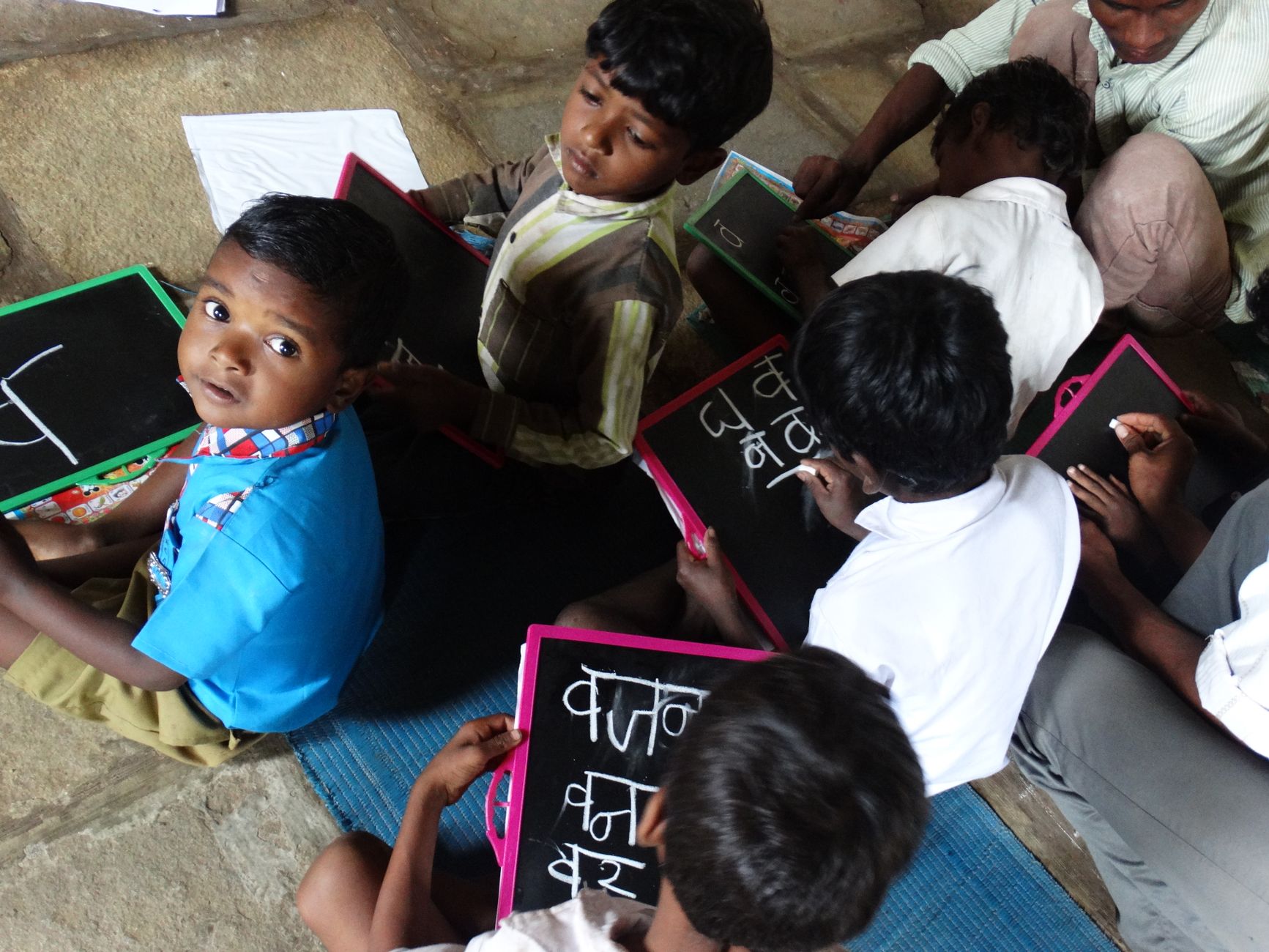
This legal framework has channeled significant resources toward educational interventions, particularly in regions where government infrastructure struggles to meet community needs. Rural schools often face challenges including inadequate facilities, shortage of teaching staff, lack of learning materials, and high dropout rates—problems that targeted CSR initiatives can help address.
The Role of Foundation Partnerships
Companies typically collaborate with established non-profit organizations and foundations that possess ground-level expertise and community connections. These partnerships prove essential because local organizations understand regional challenges, speak local languages, and have built trust within communities over years of engagement.
Foundations act as implementation partners, conducting needs assessments, designing programs tailored to specific community requirements, and ensuring sustainable outcomes beyond one-time interventions. This collaborative model allows corporations to leverage their financial resources while benefiting from the grassroots knowledge and operational capabilities of experienced NGOs.
Common Educational Interventions
CSR-funded education programs typically encompass several key areas:
- Infrastructure development including classroom construction, sanitation facilities, and drinking water systems
- Digital learning tools such as computers, tablets, smart boards, and internet connectivity
- Teacher training programs to improve instructional quality and introduce modern teaching methodologies
- Provision of learning materials including textbooks, notebooks, and science equipment
- Student support services like scholarships, uniforms, and nutritional programs
- After-school coaching and remedial education for struggling students
- Vocational skill training to improve employability for older students
Measuring Impact in Rural Education
Successful CSR education initiatives establish clear metrics to track progress and demonstrate accountability to stakeholders. Common indicators include enrollment rates, attendance percentages, learning outcomes measured through assessments, dropout reduction, and student progression to higher education levels.
Long-term impact often extends beyond immediate academic improvements. Enhanced educational access can transform community attitudes toward schooling, particularly for girls. Better facilities and teaching quality may encourage families to keep children in school longer rather than directing them toward child labor or early marriage.
Challenges in Implementation
Despite good intentions, CSR education programs face several implementation challenges. Geographic remoteness can make rural schools difficult to access and monitor regularly. Coordination with local education authorities requires navigating bureaucratic processes. Ensuring program sustainability after initial funding periods end demands careful planning and community ownership.
Cultural sensitivity proves crucial—interventions must respect local customs while encouraging progressive educational values. Language barriers, both literal and in terms of educational terminology, can complicate communication between corporate sponsors, foundation workers, and village communities.
The Broader Development Impact
Education-focused CSR creates ripple effects throughout rural economies. Improved literacy rates enhance community capacity for self-governance and accessing government schemes. Students exposed to technology and modern teaching methods develop skills relevant to contemporary job markets, potentially enabling urban migration or local entrepreneurship.
Communities receiving sustained educational support often experience improved health outcomes, as educated individuals make more informed healthcare decisions. Gender equality advances when girls receive equal educational opportunities, eventually translating into women's economic participation and delayed marriages.
Future Directions
As CSR implementation matures, companies are moving toward more strategic, outcome-oriented approaches rather than dispersed, activity-based interventions. Technology integration, teacher capacity building, and community engagement are receiving increased emphasis. Some corporations now adopt schools for multi-year partnerships, ensuring continuity and deeper impact rather than one-off projects.
The growing emphasis on measurable social impact and transparent reporting is pushing companies and their foundation partners toward more rigorous evaluation frameworks, ultimately benefiting rural students through better-designed, more effective educational interventions.
This article provides general information about CSR initiatives in education and should not be considered as investment advice or endorsement of any particular company or organization. Readers should conduct independent research regarding specific CSR programs and their outcomes.