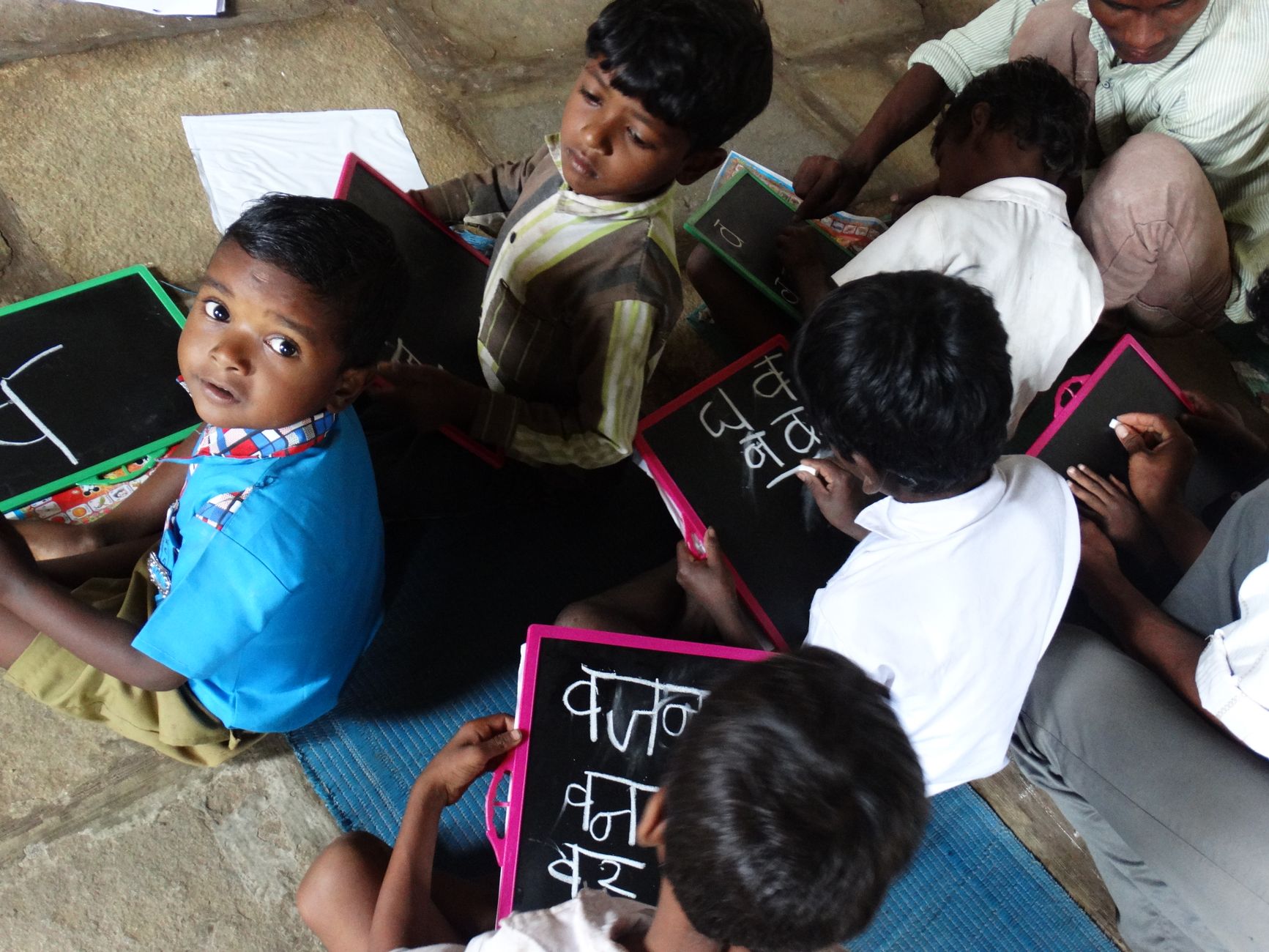
India's education landscape presents a stark contrast between urban and rural areas. While metropolitan schools often boast smart classrooms and digital infrastructure, many rural schools struggle with basic amenities, qualified teachers, and learning materials. Corporate Social Responsibility initiatives are increasingly stepping in to bridge this gap, bringing meaningful change to remote communities.
The CSR Mandate and Education Focus
Since the Companies Act 2013 mandated that qualifying companies spend at least 2% of their average net profits on CSR activities, education has emerged as a priority sector. The legislation identifies promoting education as a key CSR area, encouraging corporations to invest in schools, skill development, and educational infrastructure.
This regulatory framework has channeled substantial corporate resources toward educational development, particularly in areas where government infrastructure alone cannot meet the demand. Rural education, with its multiple challenges and high impact potential, has become an attractive CSR focus area for socially conscious companies.
Why Rural Education Needs Corporate Support
Rural schools face interconnected challenges that hamper quality education delivery. Infrastructure gaps include inadequate classroom space, lack of clean drinking water, and poor sanitation facilities. Many schools operate without electricity, making digital learning tools inaccessible even when available.
Beyond infrastructure, rural areas struggle with teacher shortages and retention. Qualified educators often prefer urban postings, leaving rural schools understaffed or dependent on less-trained personnel. Students lack access to supplementary learning resources like libraries, laboratories, and extracurricular facilities that urban peers take for granted.
The digital divide has widened during and after the pandemic, with rural students missing out on online education opportunities due to connectivity issues and device unavailability. These gaps compound over time, affecting educational outcomes and future opportunities for rural youth.
How Corporations Partner with NGOs
Most companies recognize that implementing CSR programs requires specialized expertise and grassroots connections. This realization has led to partnerships between corporations and established foundations that understand local contexts and have community relationships.
These collaborations typically involve corporations providing funding, resources, and sometimes employee volunteers, while partner foundations handle program design, implementation, and monitoring. This model leverages corporate financial strength alongside NGO expertise in social development.
Partnership models vary widely. Some focus on infrastructure development, constructing classrooms, toilets, or computer labs. Others emphasize teacher training, equipping educators with modern pedagogical techniques. Digital literacy programs supply devices and internet connectivity, while scholarship initiatives support economically disadvantaged students through their educational journey.
Components of Successful Education CSR Programs
Effective rural education initiatives typically incorporate multiple elements. Infrastructure improvement forms the foundation, ensuring schools have functional buildings, clean water, and sanitation facilities that encourage attendance, especially among girls.
Quality enhancement programs focus on teacher training, curriculum support, and learning materials. These initiatives recognize that infrastructure alone cannot improve outcomes without strengthening teaching quality and learning resources.
Technology integration introduces rural students to digital tools, preparing them for technology-dependent futures. This includes computer education, smart classrooms, and e-learning platforms adapted to local needs and connectivity constraints.
Holistic development components address nutrition, health, and psychosocial needs that affect learning. Mid-day meal programs, health check-ups, and counseling services ensure students can focus on education without distraction from basic unmet needs.
Measuring Impact and Sustainability
Successful CSR education programs establish clear metrics to track progress. These might include enrollment rates, attendance improvements, learning outcome assessments, and infrastructure completion milestones. Regular monitoring ensures accountability and allows course corrections.
Sustainability remains a critical challenge. Programs must transition from corporate dependency to community ownership, ensuring benefits persist beyond the initial funding period. This requires involving local stakeholders, training community members, and creating governance structures that outlast corporate involvement.
The Broader Picture
Corporate CSR initiatives represent one piece of the rural education puzzle. Government schemes, international aid, and community efforts all contribute to improving educational access and quality. The most impactful interventions occur when these different actors coordinate rather than duplicate efforts.
As India aspires to become a developed nation, ensuring educational equity between urban and rural areas becomes imperative. Corporate CSR programs, when thoughtfully designed and effectively implemented, can accelerate this transformation, giving rural children the opportunities their potential deserves.
The ripple effects extend beyond individual students. Educated rural youth can drive local economic development, reduce migration pressures on cities, and strengthen rural communities. Corporate investment in rural education thus serves both social responsibility and long-term national development goals.