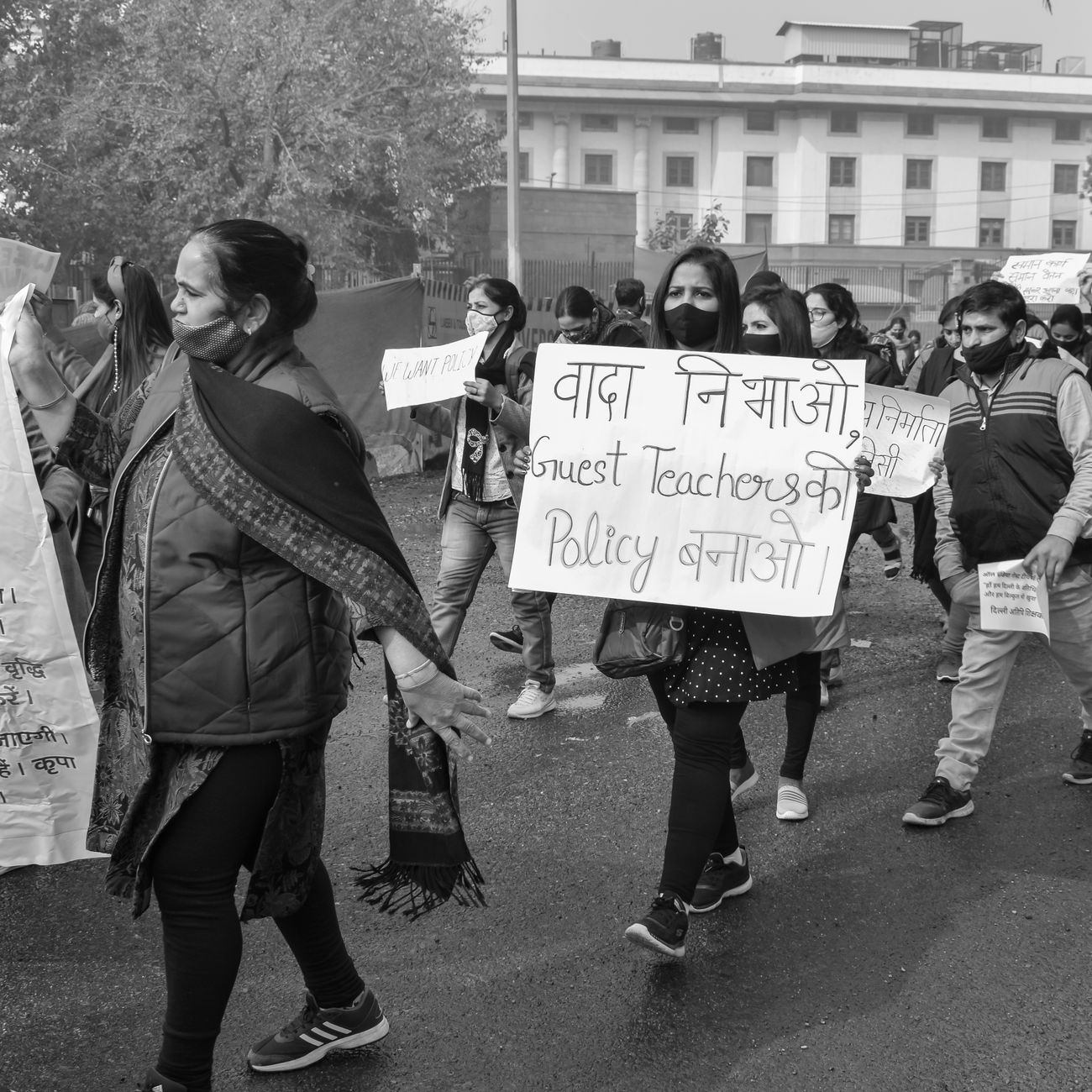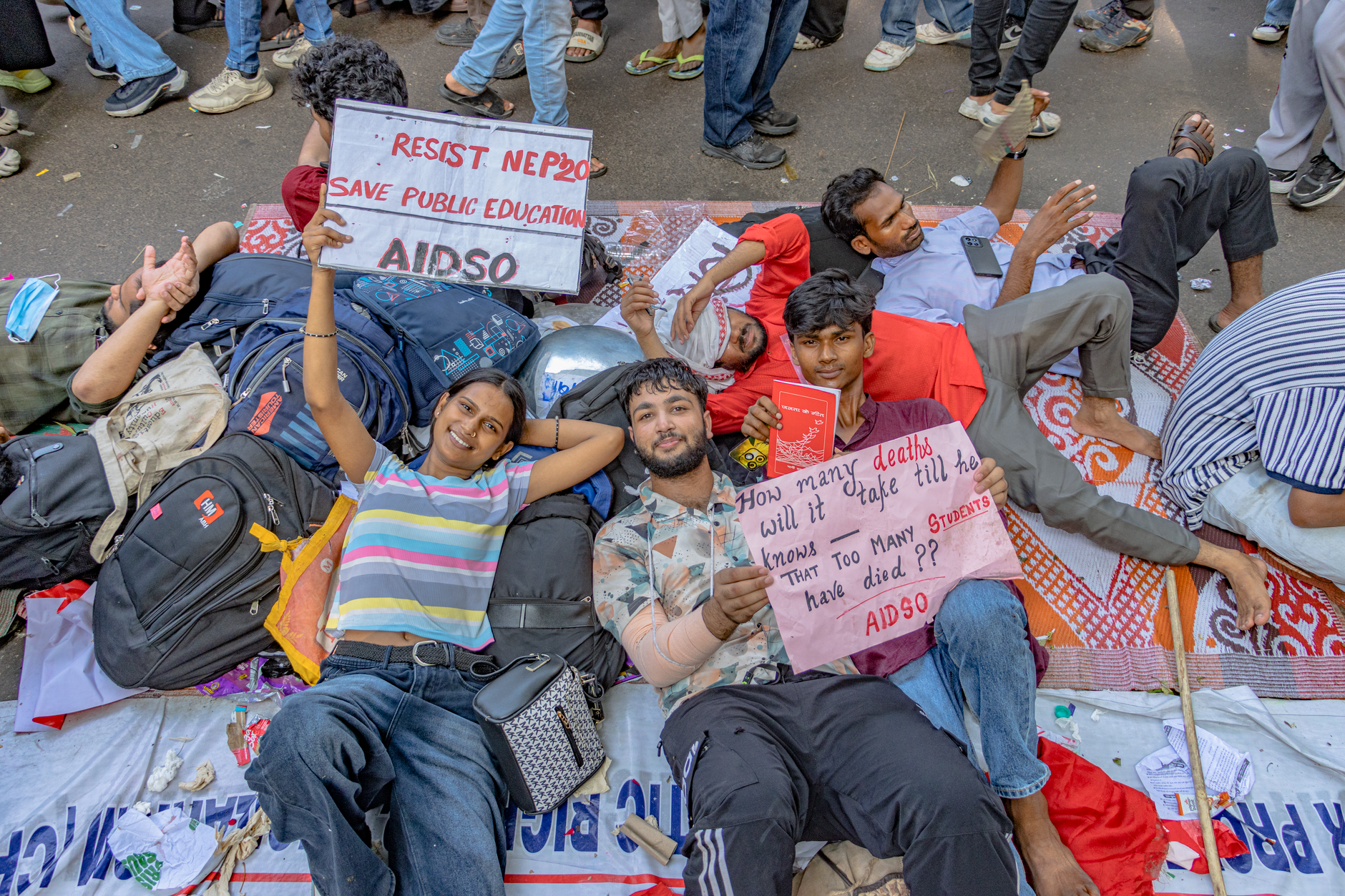
India's Generation Z, those born between 1997 and 2012, is stepping into the spotlight as a formidable force for social and political change. Public gatherings at spaces like Bengaluru's Freedom Park represent more than just protests or demonstrations—they mark a fundamental shift in how young Indians engage with democracy and envision their nation's future.
Understanding Gen Z's Unique Position
India has the world's largest youth population, with over 600 million people under the age of 25. Generation Z, the youngest segment of this demographic, brings a distinct worldview shaped by digital connectivity, global awareness, and economic uncertainty. Unlike previous generations, they have grown up with smartphones, social media, and instant access to information from around the world.
This generation faces unique challenges including intense competition for educational opportunities, concerns about employment in an AI-driven economy, climate anxiety, and questions about social equity. These pressures have created a generation that is informed, articulate, and unwilling to accept the status quo without question.
The Significance of Public Spaces
Freedom Park in Bengaluru holds particular symbolic importance as a designated protest venue. Historically, public squares and parks have served as democracy's town halls—places where citizens gather to exercise their constitutional rights to free speech and peaceful assembly.
When Gen Z chooses these spaces for gatherings, they are reclaiming a tradition of civic participation that has deep roots in India's independence movement. However, they bring modern tools and methods to this age-old practice, combining physical presence with digital amplification through livestreaming and social media coordination.
Education as a Central Concern
Education issues frequently drive youth activism in India. The current generation of students and recent graduates grapples with several pressing concerns:
- Rising education costs making quality learning inaccessible to many
- Examination reforms and their impact on mental health
- Employment prospects after graduation in a changing economy
- Quality of education in government institutions
- Reservation policies and social justice in admissions
- Curriculum relevance to real-world skills and contemporary challenges
Youth gatherings often focus on these educational inequities and systemic issues, demanding reforms that would create more inclusive and effective learning systems.
Digital Natives Driving Analog Change
What makes Gen Z's activism distinctive is their hybrid approach. They are digital natives who understand the power of online organizing, viral campaigns, and information dissemination through social media platforms. Yet they recognize that meaningful change often requires physical presence and collective action in shared spaces.
This generation has witnessed how digital movements can translate into real-world impact. They have studied global youth movements, from climate strikes to democratic uprisings, and adapted these strategies to Indian contexts while respecting local cultural and political sensibilities.
Challenges Facing Young Activists
Despite their energy and commitment, Gen Z activists encounter significant obstacles. Political apathy among peers, misinformation campaigns, potential academic or professional repercussions for activism, and the challenge of sustaining momentum beyond viral moments all pose real difficulties.
Additionally, translating protest into policy requires navigating complex institutional structures, building coalitions across diverse groups, and maintaining pressure on decision-makers over extended periods—skills that develop through experience.
The Broader Implications
The rise of Gen Z activism signals important shifts in Indian democracy. Young people are no longer content to wait their turn or defer to traditional hierarchies. They demand accountability from institutions and leaders, expect transparency in governance, and insist on being heard in decisions that will shape their futures.
This generational assertiveness could strengthen democratic institutions by increasing participation and oversight. However, it also creates tensions with established power structures and tests the resilience of systems designed for a different era.
Looking Ahead
The scenes at venues like Freedom Park represent early chapters in a longer story of generational change. As Gen Z matures and assumes positions of influence in business, government, and civil society, the values and approaches they are developing today will shape India's trajectory for decades.
Whether focused on education reform, environmental protection, social justice, or economic opportunity, these young activists are demonstrating that India's future belongs to those willing to claim it. Their gatherings in public spaces serve as both symbol and substance—visible reminders that democracy requires active citizenship, and that each generation must renew the promise of freedom and justice for themselves.
The zen moment described in such gatherings often comes from witnessing young people peacefully exercising democratic rights, demonstrating that hope and determination can coexist with calm resolve. This combination of passion and purpose may well define how India navigates the complex challenges of the 21st century.