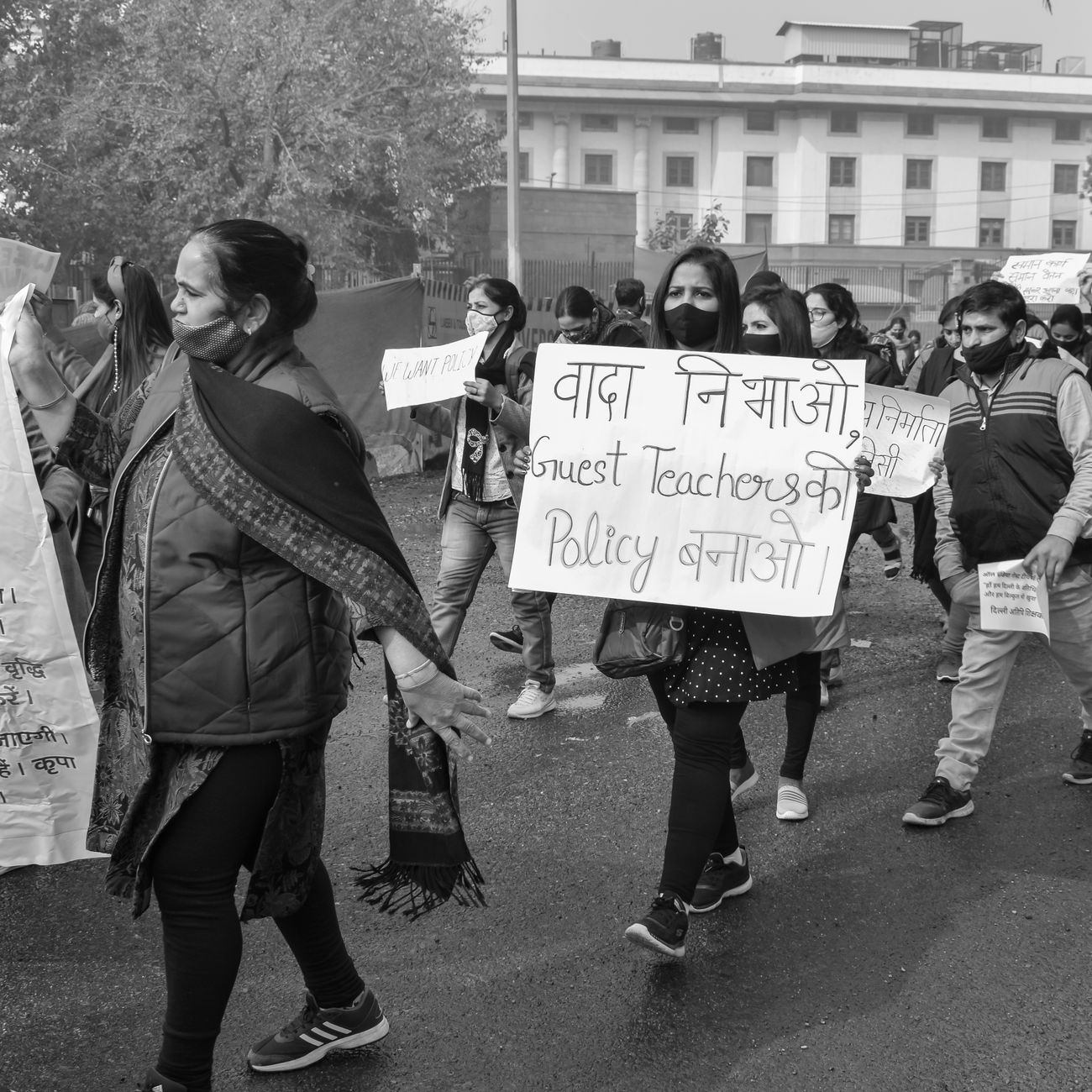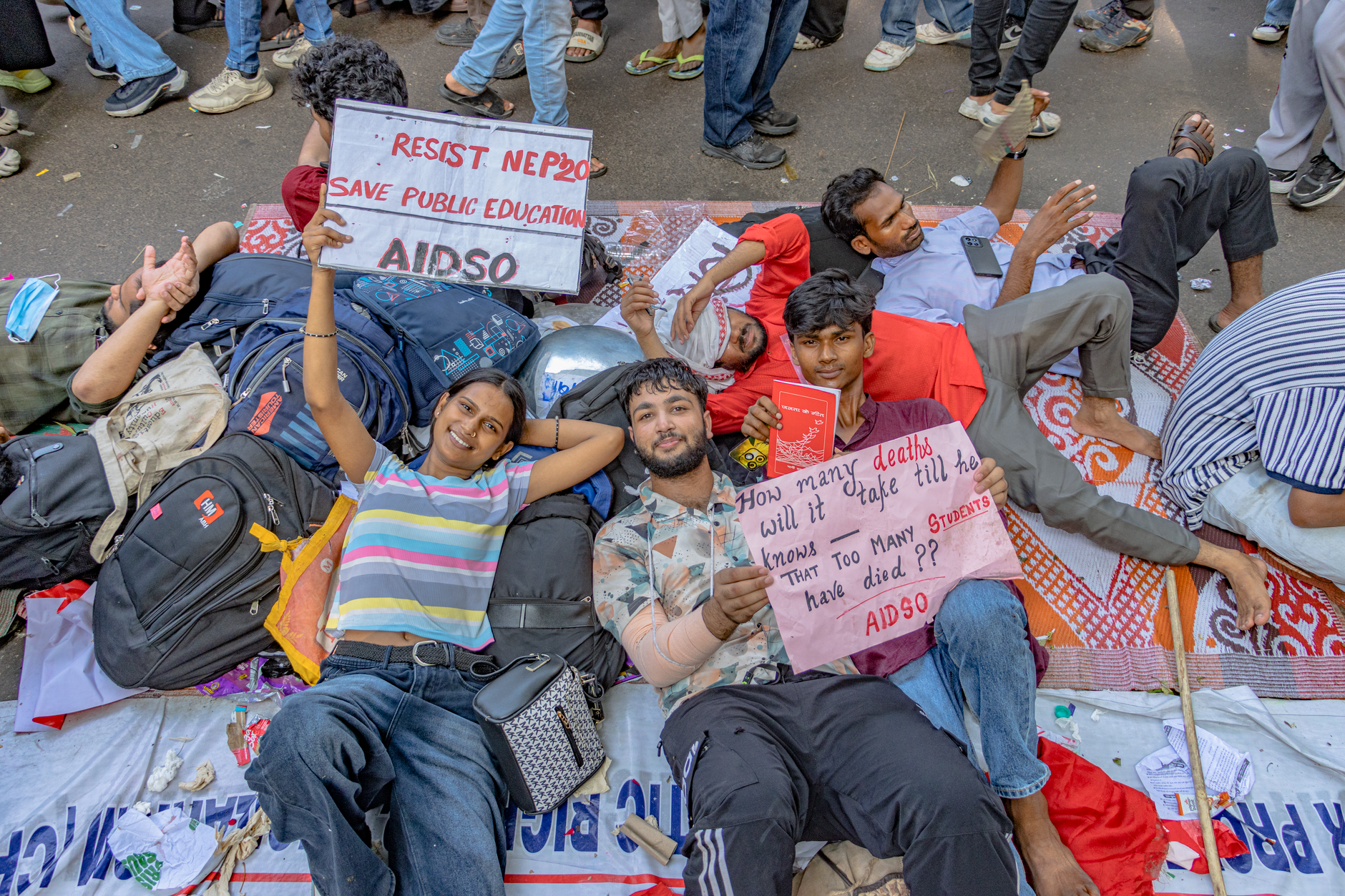
India's university campuses have long been crucibles of social and political change, but the current wave of student activism led by Generation Z marks a distinct departure from past movements. Born between 1997 and 2012, these digital natives are bringing fresh perspectives, innovative tactics, and unprecedented coordination to protests surrounding education policy and institutional autonomy.
The New Face of Student Activism
Generation Z protesters in India are distinguished by their ability to seamlessly blend online and offline activism. Unlike previous generations who relied primarily on physical demonstrations, today's students leverage social media platforms, encrypted messaging apps, and viral content creation to amplify their voices far beyond campus boundaries. This dual approach has enabled localized campus issues to rapidly gain national attention and solidarity from students across the country.
The current generation of student activists is also notably diverse and intersectional in their approach. Protests increasingly address multiple interconnected issues simultaneously, from education quality and administrative transparency to broader concerns about employment prospects, mental health support, and social justice on campuses.
Key Drivers of Gen Z Campus Protests
Several factors have contributed to the rise in student activism among India's Gen Z population:
- Growing disconnect between education outcomes and job market requirements
- Concerns over academic freedom and institutional autonomy
- Fee hikes and education affordability in both public and private institutions
- Infrastructure and resource allocation issues on campuses
- Demand for greater student representation in administrative decisions
- Mental health and well-being support services
- Quality of online and hybrid learning experiences post-pandemic
The COVID-19 pandemic served as a catalyst, exposing systemic weaknesses in India's education system and accelerating students' expectations for institutional responsiveness and transparency. Extended periods of online learning created digital communities that now translate into organized, coordinated activism.
Digital-First Protest Strategies
Generation Z's approach to protest differs fundamentally from previous generations in its strategic use of technology. Students create dedicated Instagram pages, Twitter hashtags, and Telegram groups to organize demonstrations, share information in real-time, and document alleged injustices through photos and videos. This documentation serves dual purposes: mobilizing support and creating permanent records that prevent incidents from being forgotten or dismissed.
Crowdsourced fact-checking, collaborative document creation, and anonymous testimony platforms have become standard tools in the Gen Z activist toolkit. These methods allow for rapid information dissemination while providing some protection for participants who may face institutional or social repercussions.
Data-Driven Activism
What makes current student protests particularly distinctive is their emphasis on evidence and statistics. Gen Z activists frequently conduct surveys, compile comparative data across institutions, and present quantifiable metrics to support their demands. This data-driven approach lends credibility to their movements and makes it more difficult for authorities to dismiss concerns as unfounded or exaggerated.
Students now regularly cite specific data points regarding placement rates, faculty-student ratios, infrastructure deficiencies, fee structures compared to service delivery, and budget allocations. This analytical approach reflects both the generation's comfort with data and their awareness that compelling arguments require substantiation.
Challenges and Criticisms
Despite their energy and innovation, Gen Z campus protests face significant challenges. Critics argue that social media activism sometimes prioritizes viral moments over sustained engagement with complex issues. The rapid-fire nature of online discourse can occasionally lead to oversimplification of nuanced policy matters.
Additionally, student movements must navigate institutional responses that range from engagement and dialogue to disciplinary action. Some universities have enhanced security presence on campuses or implemented measures that protesters view as restrictive of free expression and assembly.
The Broader Impact
The ripple effects of Gen Z student activism extend beyond individual campus boundaries. These movements have influenced national conversations about education policy, prompted government responses, and demonstrated the political engagement of young voters who will shape India's future electoral landscape.
Universities are increasingly recognizing the need to establish formal channels for student feedback and grievance redressal. Some institutions have created student advisory councils, regular town halls with administration, and transparent decision-making processes in response to sustained pressure from student bodies.
Looking Ahead
As Generation Z continues to mature and enter professional life, the organizational skills, digital literacy, and civic engagement cultivated during campus protests will likely influence activism and social movements across various sectors. Their emphasis on data transparency, intersectional approaches, and technological integration represents a blueprint for modern protest movements in India.
Whether addressing education-specific concerns or broader social issues, Gen Z's approach to activism reflects a generation that is simultaneously idealistic about potential change and pragmatic about the methods required to achieve it. Their ability to maintain "warm spirits" while presenting "cold stats" may well define the character of social movements in India for years to come.