Primary healthcare has long been recognized as the cornerstone of any effective health system, yet its critical importance often goes unappreciated until a crisis emerges. In India, where healthcare challenges range from communicable diseases to a rising burden of lifestyle-related conditions, primary healthcare centers and practitioners serve as the essential first point of contact between communities and the medical establishment.
What Primary Healthcare Encompasses
Primary healthcare refers to the basic health services delivered at the community level, typically through government-run Primary Health Centers, Community Health Centers, sub-centers, and private general practitioners. These facilities provide essential services including preventive care, health education, treatment of common illnesses, maternal and child health services, immunization programs, and management of chronic conditions like diabetes and hypertension.
Unlike tertiary care hospitals that handle complex cases requiring specialized intervention, primary healthcare addresses approximately 80-90% of health concerns that individuals face throughout their lives. This includes everything from treating infections and injuries to managing ongoing conditions and providing health counseling.
The Prevention Advantage
One of primary healthcare's most valuable contributions is disease prevention. Through regular health check-ups, screening programs, and immunization drives conducted at the grassroots level, primary healthcare facilities identify health risks before they escalate into serious conditions requiring expensive hospitalization.
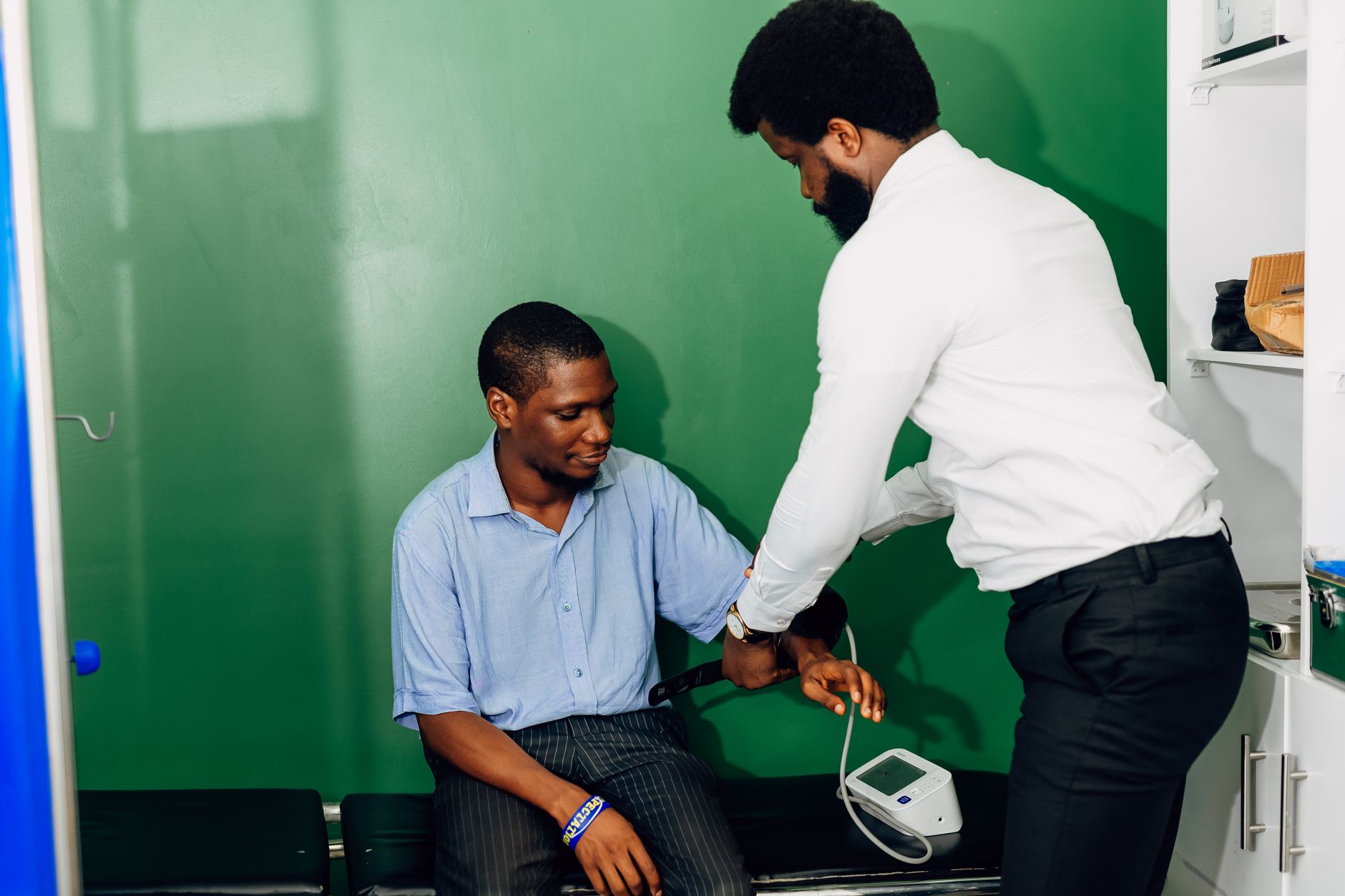
For instance, early detection of elevated blood sugar levels at a primary health center allows for lifestyle modifications and medication that can prevent full-blown diabetes and its complications. Similarly, routine blood pressure monitoring catches hypertension before it leads to strokes or heart attacks. Prenatal care at primary centers significantly reduces maternal and infant mortality by identifying and managing pregnancy complications early.
Vaccination programs administered through primary healthcare have been instrumental in eradicating or controlling diseases like polio, measles, and tuberculosis. The COVID-19 pandemic further demonstrated this network's vital role in mass immunization campaigns reaching even remote villages.
Cost-Effectiveness and Accessibility
Primary healthcare represents an economically sustainable approach to population health. Treating common conditions at the primary level costs a fraction of what the same treatment would require at a tertiary hospital. This affordability factor is crucial in a country where out-of-pocket healthcare expenses push millions into poverty annually.
Government primary health centers offer free or heavily subsidized services, making healthcare accessible to economically disadvantaged populations who might otherwise forego treatment. The widespread distribution of these centers, particularly in rural areas where approximately 65% of India's population resides, ensures geographic accessibility that specialized urban hospitals cannot match.
Reducing Burden on Higher-Level Facilities
When primary healthcare functions effectively, it acts as a filter that manages routine cases locally while referring only complex conditions requiring specialized care to secondary and tertiary hospitals. This referral system prevents overcrowding at major hospitals, allowing them to focus resources on cases genuinely requiring advanced medical intervention.
Unfortunately, weak primary healthcare infrastructure often forces patients to bypass this level entirely, flooding tertiary hospitals with cases that could have been managed at the primary level. This not only strains hospital resources but also delays care for critical patients who truly need specialized attention.
Community Trust and Cultural Competence
Primary healthcare workers often come from or live within the communities they serve, fostering trust and cultural understanding that enhances health outcomes. ASHA workers, Anganwadi workers, and local health staff understand community-specific health beliefs, dietary practices, and social determinants of health, enabling them to provide culturally appropriate care and health education.
This community connection proves especially valuable for sensitive health issues, maternal health services, and convincing populations to adopt preventive health behaviors or participate in screening programs.
Challenges Facing India's Primary Healthcare
Despite its critical importance, India's primary healthcare system faces significant challenges including insufficient funding, shortage of trained healthcare workers, inadequate infrastructure in rural areas, irregular supply of essential medicines, and lack of diagnostic facilities. Many primary health centers operate below their intended capacity due to staff vacancies, particularly of doctors willing to serve in remote areas.
The Path Forward
Strengthening primary healthcare requires sustained investment in infrastructure, recruitment and retention of healthcare workers through better compensation and career development opportunities, regular supply chains for medicines and equipment, integration of digital health technologies for telemedicine and record-keeping, and community participation in health planning.
The Ayushman Bharat program's Health and Wellness Centers initiative represents a step toward transforming existing primary health facilities into comprehensive care centers offering expanded services. However, consistent implementation and adequate resource allocation remain essential for realizing this vision.
As India's disease burden shifts toward non-communicable diseases while communicable diseases persist, robust primary healthcare becomes even more critical as the first line of defense protecting population health while ensuring healthcare system sustainability.