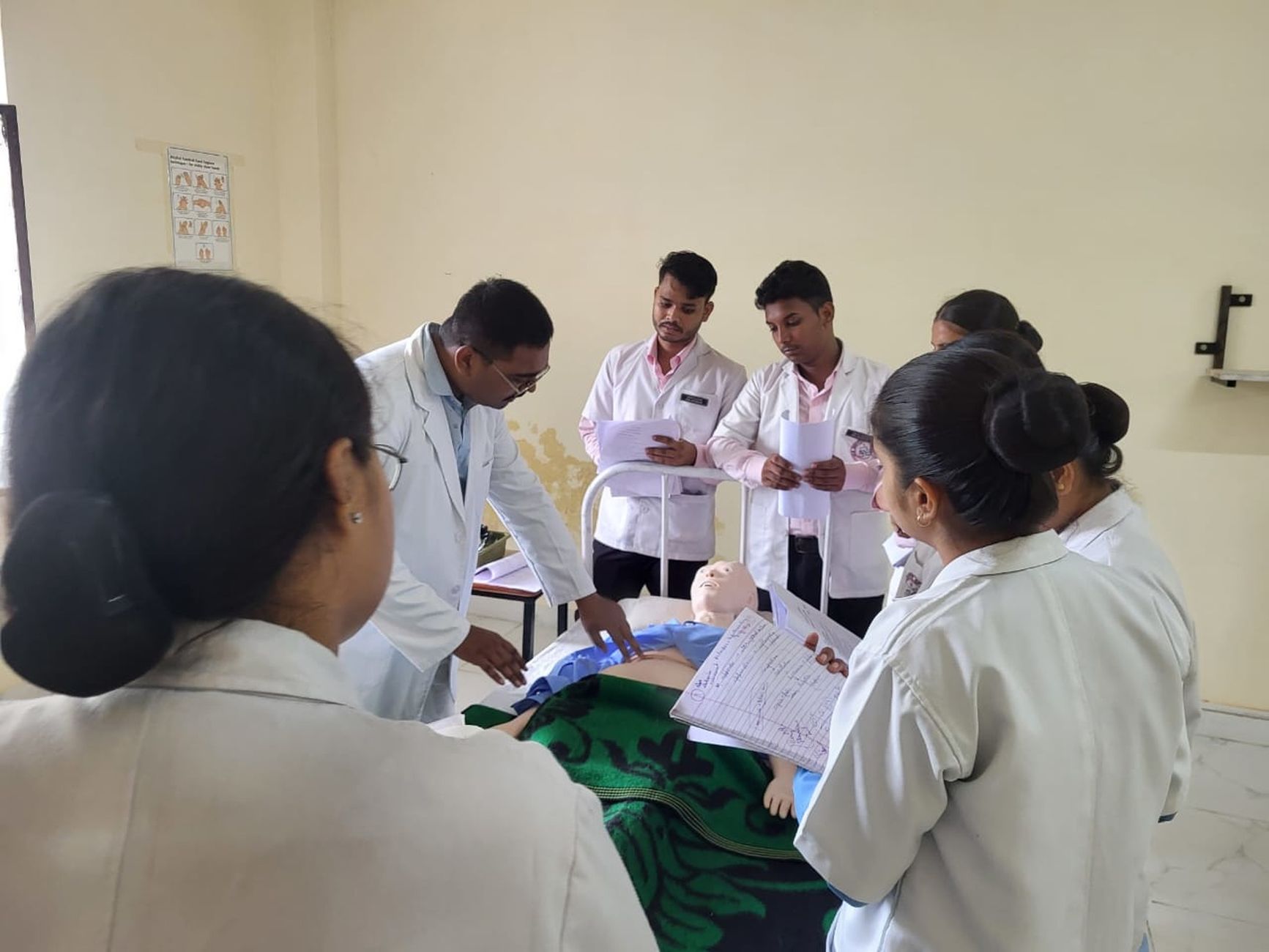
The Ministry of Health and Family Welfare has released updated figures highlighting the remarkable expansion of medical education infrastructure in India. With 1,39,489 MBBS seats, 86,360 postgraduate medical seats, and 844 medical colleges across the country, India is steadily working toward bridging the gap between its population and available doctors.
Understanding the Current Medical Education Landscape
The numbers represent a significant milestone in India's efforts to strengthen its healthcare system. Medical education in India operates through a network of government-run and private medical colleges, regulated by the National Medical Commission (NMC), which replaced the Medical Council of India in 2020. These institutions offer undergraduate MBBS programs, followed by postgraduate specializations in various medical disciplines.
The expansion addresses a critical need. According to World Health Organization recommendations, countries should maintain a doctor-to-population ratio of 1:1000. India has historically fallen short of this benchmark, making the increase in medical seats particularly important for improving healthcare accessibility, especially in rural and underserved areas.
Breaking Down the Numbers
The 844 medical colleges include a mix of government institutions, private colleges, and deemed universities. Government medical colleges typically offer education at subsidized rates, making medical education accessible to students from diverse economic backgrounds. Private medical colleges, while more expensive, have contributed significantly to increasing overall seat capacity.
The MBBS program, which typically spans five and a half years including a one-year internship, forms the foundation of medical education. The 1,39,489 MBBS seats are distributed across states based on population and infrastructure capacity, though significant regional variations exist.
Postgraduate medical education, with 86,360 seats, allows MBBS graduates to specialize in fields ranging from general medicine and surgery to super-specialties like cardiology, neurology, and oncology. This specialization is crucial for developing expertise in specific medical domains and improving the quality of tertiary healthcare.
Factors Driving Expansion
Several government initiatives have accelerated medical education growth in recent years. The establishment of new All India Institutes of Medical Sciences (AIIMS) across various states has added premium medical education capacity. Additionally, the government has encouraged the upgrade of existing district hospitals into medical colleges, particularly in underserved regions.
The recognition that India faces a dual challenge of serving its domestic healthcare needs while also being a major source of medical professionals for other countries has prompted policymakers to expand training capacity. Furthermore, the COVID-19 pandemic highlighted critical gaps in healthcare infrastructure and human resources, creating additional urgency for expansion.
Challenges That Remain
Despite impressive numerical growth, quality concerns persist. Ensuring adequate faculty, infrastructure, and clinical training opportunities across all institutions remains challenging. Some newer medical colleges struggle with faculty shortages, inadequate laboratory facilities, or insufficient patient exposure for clinical training.
The geographical distribution of medical colleges also remains uneven, with southern and western states generally having better infrastructure compared to certain northern and eastern regions. This creates disparities in access to medical education and, subsequently, healthcare services.
Another ongoing challenge is the affordability of private medical education. While government colleges offer subsidized education, competition for these seats is intense. Private medical colleges often charge substantial fees, sometimes running into several crores for the complete MBBS program, making medical education financially challenging for middle-class families.
Impact on Healthcare Delivery
The expanded medical education capacity should, over time, translate into improved doctor availability across India. More doctors mean better healthcare access in primary health centers, district hospitals, and tertiary care facilities. The increase in postgraduate seats is particularly significant for developing specialized medical expertise.
However, the impact on healthcare delivery also depends on retention strategies. Many medical graduates, especially from premier institutions, pursue opportunities abroad or concentrate in urban areas. Addressing this through rural service requirements, better working conditions in government hospitals, and incentive structures remains crucial.
The growth in medical education infrastructure represents a foundational investment in India's healthcare future. As these expanded batches of medical students graduate and enter the workforce, the country's capacity to provide quality healthcare to its 1.4 billion citizens should improve substantially, provided supporting healthcare infrastructure keeps pace with this human resource expansion.