India stands at a crossroads in its approach to mental health. Despite being home to nearly 18 percent of the world's population, the country allocates less than 1 percent of its healthcare budget to mental health services. This glaring gap has created a crisis that affects individuals, families, and communities across the nation.
The Scope of India's Mental Health Challenge
Mental health conditions affect an estimated 150 to 200 million Indians, with depression and anxiety disorders being the most common. The National Mental Health Survey revealed that nearly 10 percent of the population suffers from mental disorders, yet fewer than 30 percent of those affected seek professional help. This treatment gap is among the highest in the world.
The COVID-19 pandemic exacerbated the situation dramatically. Isolation, economic uncertainty, grief from losing loved ones, and disrupted routines contributed to a sharp rise in mental health issues. Students, healthcare workers, and migrant laborers were particularly vulnerable, facing unprecedented psychological stress.
Breaking the Stigma Barrier
Perhaps the most significant obstacle to mental health care in India is stigma. Mental illness is often viewed as a personal weakness, a character flaw, or even a supernatural curse. Families frequently hide members struggling with mental health issues, fearing social judgment and potential impacts on marriage prospects.
This stigma prevents people from seeking help until conditions become severe. Many Indians would rather suffer in silence than face the shame associated with visiting a psychiatrist or psychologist. The language used around mental health—calling someone "pagal" (crazy) or dismissing anxiety as mere overthinking—reinforces harmful stereotypes.
Critical Resource Shortages
India has approximately 0.3 psychiatrists per 100,000 people, compared to the global median of 1.2. The country needs an estimated 27,000 additional psychiatrists and psychologists to meet basic demand. Most mental health professionals are concentrated in urban areas, leaving rural populations—nearly 65 percent of Indians—with virtually no access to specialized care.
The 43 government-run mental health institutions are woefully inadequate for a population of 1.4 billion. Many facilities are outdated, understaffed, and lack modern treatment modalities. Private mental health services remain unaffordable for the majority of Indians.
The Youth Mental Health Crisis
Young Indians face unique pressures. Academic competition is intense, with students experiencing tremendous stress around board exams and competitive entrance tests. Social media amplifies comparison culture and creates unrealistic expectations. Career uncertainty and unemployment add further anxiety.
Student suicides remain alarmingly high. The National Crime Records Bureau reported over 13,000 student suicides in 2022, highlighting the urgent need for campus mental health services and stress management education integrated into curricula.
Workplace Mental Health
The Indian corporate sector is slowly recognizing mental health's importance. Long working hours, job insecurity, and work-life imbalance contribute to burnout and anxiety. However, employee assistance programs remain rare, and discussing mental health at work is still taboo in most organizations.
Steps Toward a Mental Health Revolution
India's Mental Healthcare Act of 2017 was a landmark step, establishing mental healthcare as a right and criminalizing discrimination against people with mental illness. However, implementation remains inconsistent.
A true revolution requires:
- Increased government funding for mental health infrastructure and services
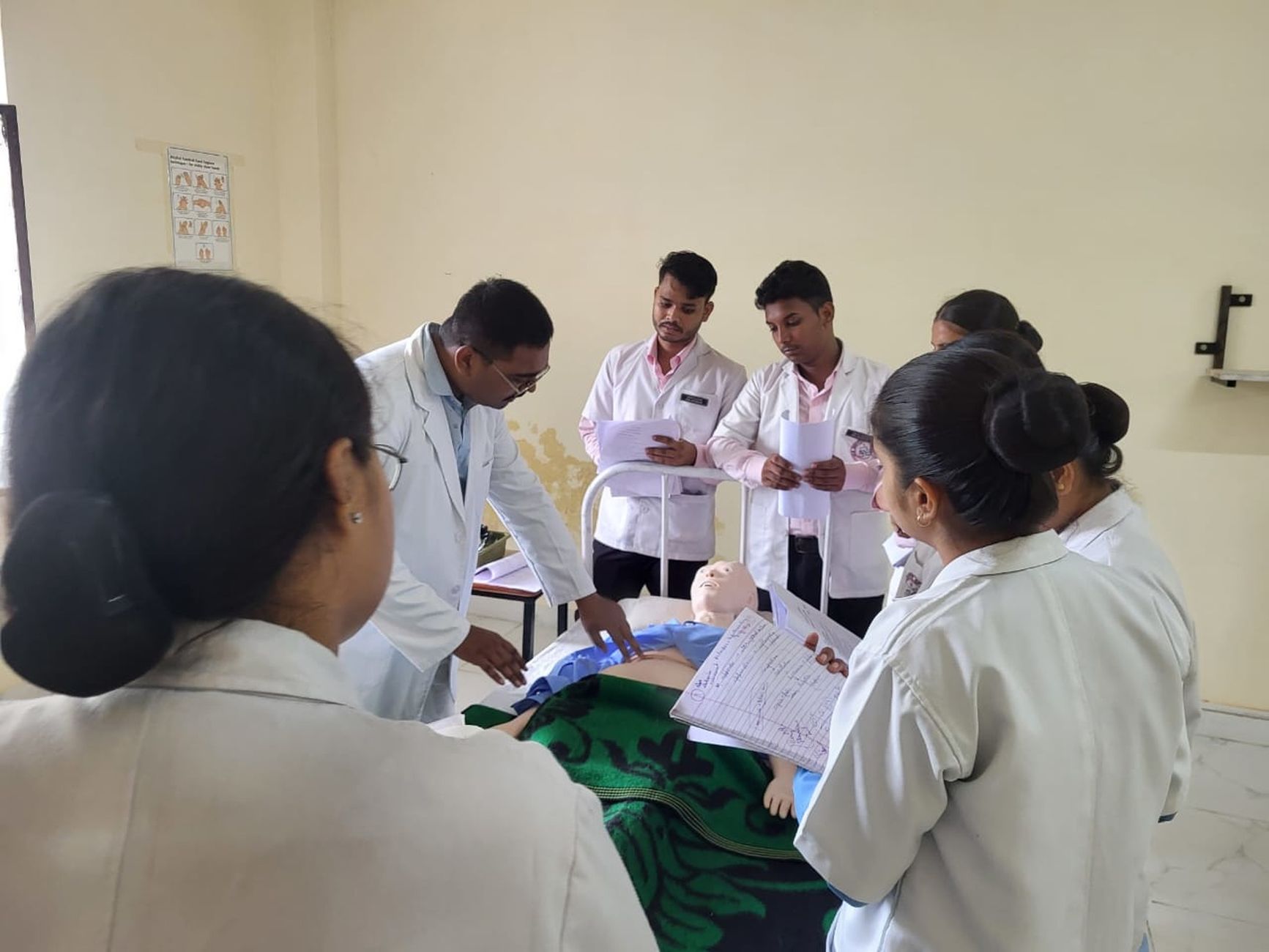
- Training more mental health professionals and incentivizing them to work in underserved areas
- Integrating mental health education into school curricula
- Launching public awareness campaigns to normalize seeking help
- Expanding telemedicine and digital mental health platforms to reach remote areas
- Mandating workplace mental health policies
- Involving community health workers in basic mental health screening and support
The Role of Technology
Digital mental health solutions offer promise for bridging the access gap. Apps providing cognitive behavioral therapy, meditation, and peer support can reach people who lack access to traditional services. Telepsychiatry enables consultations without geographical constraints.
However, these solutions must be culturally appropriate and available in regional languages to be truly inclusive.
Community and Family Involvement
Indian culture's emphasis on family can be leveraged positively. Family psychoeducation programs can help relatives understand mental illness and provide appropriate support. Community-based mental health programs that work within existing social structures may be more acceptable than Western clinical models.
India's mental health revolution must be comprehensive, addressing infrastructure, awareness, policy, and cultural attitudes simultaneously. The conversation has begun, but sustained commitment from government, healthcare systems, educational institutions, employers, and communities is essential to transform mental healthcare from a neglected priority into a fundamental component of public health.
This article is for general informational purposes only and does not constitute medical advice. If you or someone you know is experiencing mental health difficulties, please consult qualified healthcare professionals.