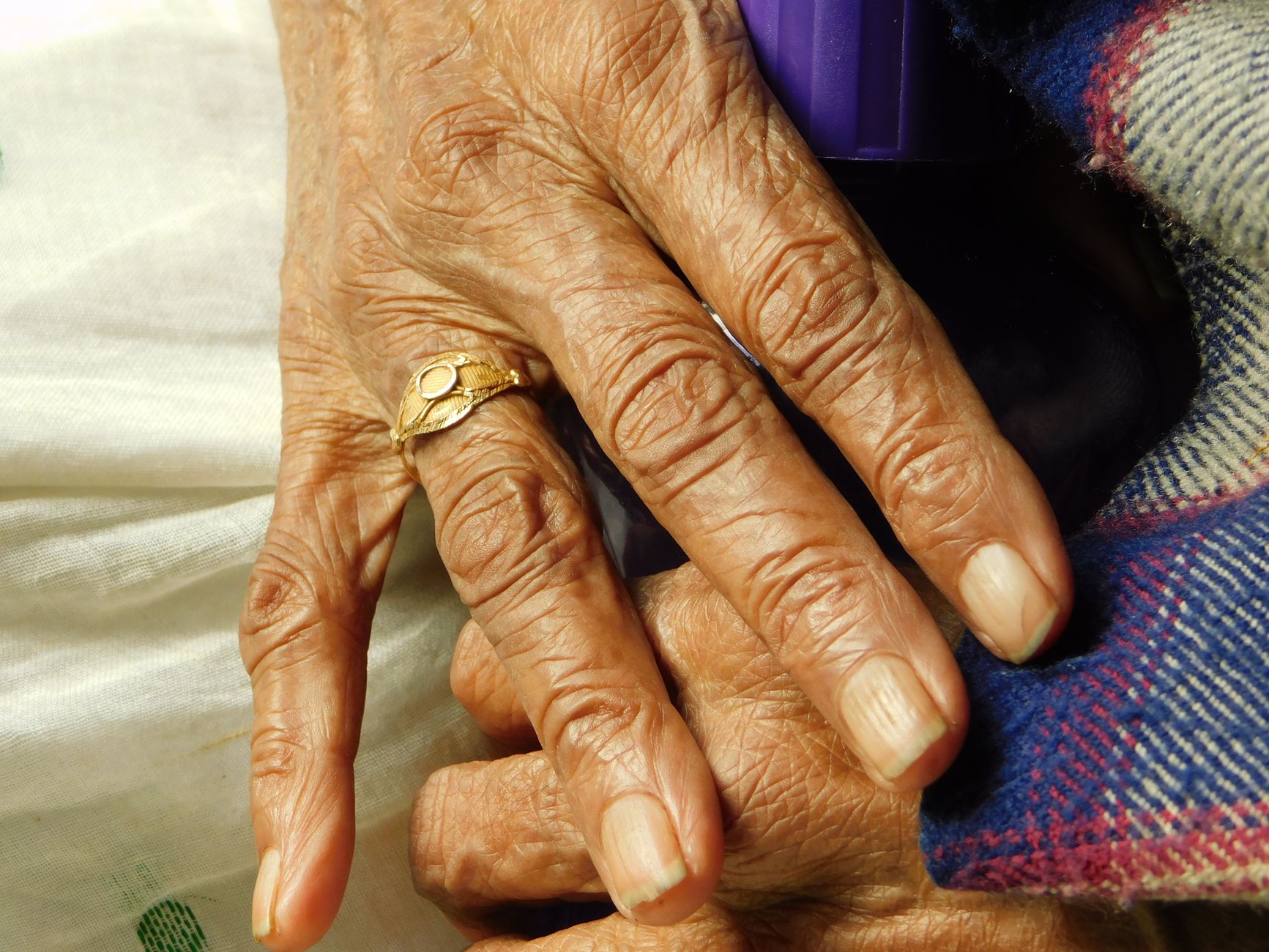
Indian women have achieved a remarkable demographic milestone—their life expectancy has increased significantly over recent decades, now averaging around 72 years compared to 70 years for men. On the surface, this appears to be unequivocal progress, a testament to better healthcare access and improved living conditions. However, experts warn that this statistic masks a troubling reality: many Indian women are living longer but not necessarily living better.
The Quality Versus Quantity Paradox
The central concern lies in what researchers call "morbidity compression"—or rather, the lack of it. While women are surviving longer, they're spending a disproportionate number of those additional years in poor health. Studies suggest that Indian women live approximately 20 percent of their lives with significant disabilities and chronic illnesses, far exceeding comparable figures for men.
This phenomenon stems from multiple interconnected factors. Women often experience decades of nutritional deficiency, beginning in childhood and continuing through their reproductive years. The cumulative effect of anemia, osteoporosis, and untreated reproductive health issues creates a fragile foundation for their later years. By the time they reach their sixties and seventies, many are already battling multiple chronic conditions.
The Economic Vulnerability of Longevity
Another critical dimension is economic security. The majority of Indian women, particularly in older generations, never participated in formal employment. Without pension schemes, provident fund accounts, or significant savings of their own, they depend entirely on family support in their extended lifespans.
This dependency becomes precarious as traditional joint family structures weaken. Adult children migrate for work, leaving elderly mothers with limited financial resources and diminishing social support networks. Unlike men, who are more likely to have retirement income and property rights, women face what economists term "feminization of elderly poverty."
Furthermore, widowhood disproportionately affects women due to the age gap in marriages and women's longer lifespans. India has one of the world's largest populations of widows, many of whom face social stigma alongside economic hardship. These women often spend decades in isolation, lacking both financial independence and social engagement.
The Invisible Healthcare Gap
Healthcare access remains deeply gendered in India. Even when women do seek medical care, their symptoms are often dismissed or attributed to aging, while men's complaints receive more serious attention. Research indicates that women receive less diagnostic testing and less aggressive treatment for similar conditions compared to men.
Mental health challenges compound these issues. Depression and anxiety rates among elderly Indian women are alarmingly high, yet mental health services remain stigmatized and largely inaccessible. The psychological toll of caregiving responsibilities, loss of spouse, and economic dependence creates a perfect storm for deteriorating mental wellbeing.
Women also face higher rates of dementia and Alzheimer's disease in their later years, conditions that require intensive caregiving and place additional burdens on already stretched families.
The Caregiving Paradox
Ironically, while women live longer, they're also expected to serve as primary caregivers for aging parents, in-laws, and ailing spouses. This means many women transition from raising children directly into caring for elderly relatives, never experiencing a phase of life focused on their own needs and interests.
This caregiving burden takes a severe toll on women's physical and mental health, yet it remains largely invisible in policy discussions. Unlike men who are more likely to be cared for by their wives in old age, elderly women often find themselves alone or in institutional care.
What Needs to Change
Addressing this crisis requires systemic reforms. Universal pension schemes specifically targeting women who never participated in formal employment could provide basic economic security. Expanding geriatric healthcare services with gender-sensitive protocols would ensure women receive appropriate medical attention.
Community-based support systems, mental health services, and social programs that combat isolation are equally important. Additionally, changing cultural attitudes about elderly women's roles and value in society remains fundamental.
The real measure of progress isn't simply how long women live, but how well they live those years. Until longevity translates into dignity, health, and security, India's demographic achievement remains incomplete.
This article is for general informational purposes only and does not constitute medical or financial advice. Readers should consult qualified healthcare providers and financial advisors for guidance specific to their individual circumstances.