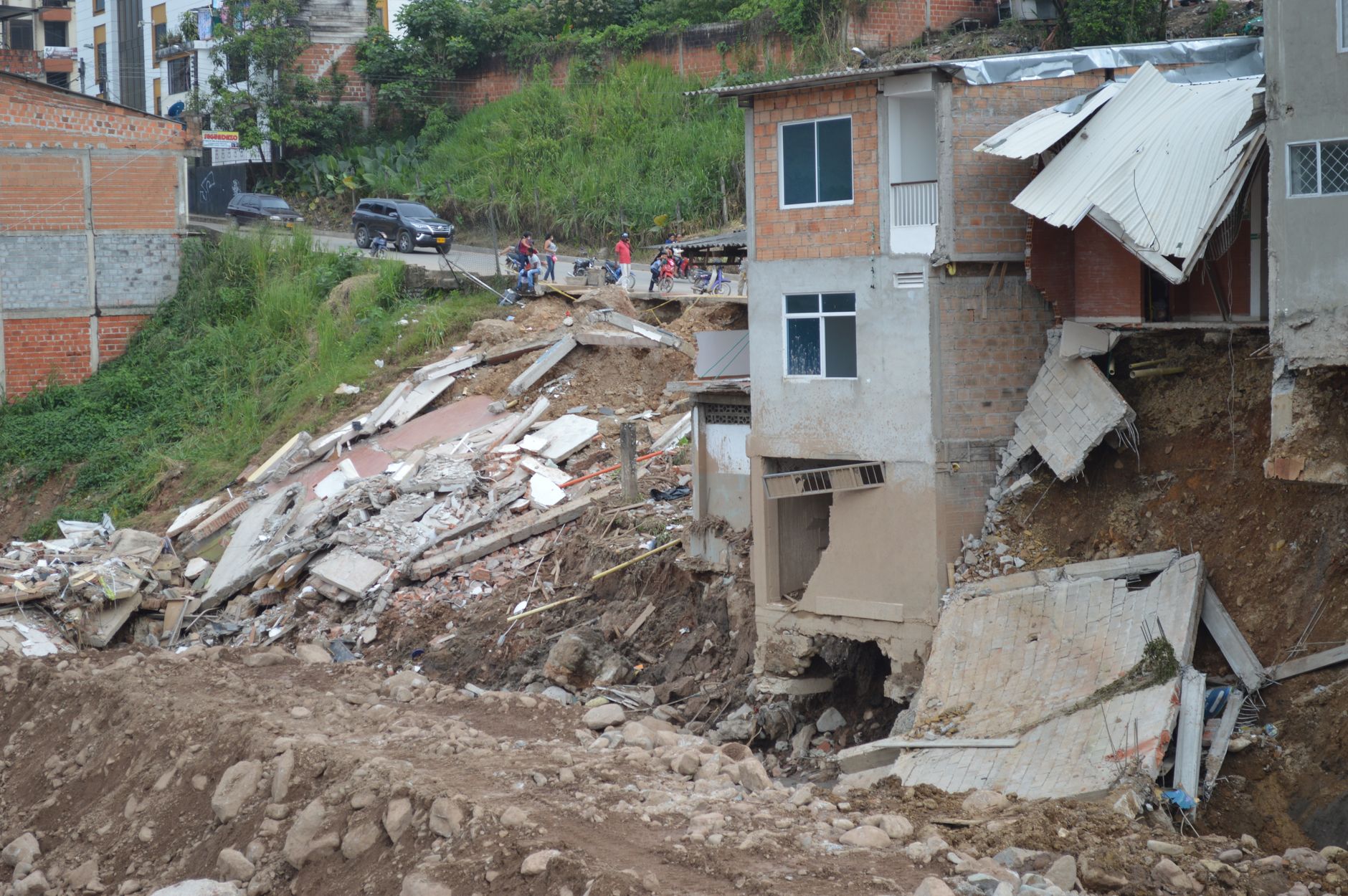
When earthquakes strike, the immediate toll of collapsed buildings and infrastructure damage dominates headlines. However, public health experts consistently warn that the days and weeks following a major seismic event often present equally serious threats to survivors. The situation unfolding in Venezuela highlights how natural disasters trigger cascading health crises that extend far beyond the initial impact.
The Invisible Dangers of Dust and Debris
Earthquake debris creates a toxic environment that many survivors fail to recognize as hazardous. Pulverized concrete, asbestos from older buildings, silica dust, and other particulate matter become airborne during collapse and subsequent rescue operations. When inhaled, these particles can cause respiratory distress, trigger asthma attacks, and lead to long-term lung conditions.
Children and elderly individuals face particular vulnerability to airborne contaminants. Their respiratory systems struggle more intensely with dust exposure, and pre-existing conditions like chronic obstructive pulmonary disease can deteriorate rapidly. Rescue workers and volunteers clearing debris without proper protective equipment also risk serious respiratory complications that may manifest years later.
Water Contamination and Disease Outbreak Risks
Perhaps no post-earthquake threat proves more dangerous than compromised water systems. Seismic activity fractures underground pipes, allowing sewage to mix with drinking water supplies. Damaged treatment facilities lose their capacity to purify water effectively, while disrupted electrical grids prevent pumping stations from operating normally.
Contaminated water becomes a vector for numerous diseases including cholera, typhoid fever, hepatitis A, and dysentery. These waterborne illnesses spread rapidly in crowded evacuation shelters where sanitation facilities are already strained. Without immediate intervention, what begins as isolated cases can quickly escalate into full-blown epidemics.
Stagnant water pooling in debris also creates breeding grounds for mosquitoes, raising the risk of vector-borne diseases like dengue fever and malaria. In tropical and subtropical regions, these secondary disease outbreaks can claim more lives than the earthquake itself.
Injury Complications and Healthcare System Collapse
Earthquake victims often sustain crush injuries, fractures, and lacerations that require immediate medical attention. However, the same disaster that creates these injuries typically damages or destroys healthcare facilities. Hospitals lose structural integrity, medical equipment becomes unusable, and supply chains for essential medicines break down.
This creates a dangerous gap between medical needs and available care. Minor wounds that would normally heal with basic treatment become infected. Patients with chronic conditions like diabetes or hypertension cannot access their regular medications. Surgical interventions become impossible without functioning operating theaters.
The psychological trauma affecting both survivors and healthcare workers further compounds these challenges. Post-traumatic stress disorder, anxiety, and depression rates surge following major disasters, yet mental health resources are typically the first to be overlooked during emergency response efforts.
Prevention and Preparedness Lessons
While each disaster presents unique challenges, certain preparedness measures prove universally valuable. Households in earthquake-prone regions should maintain emergency kits containing water purification tablets, N95 respirators, basic first aid supplies, and at least a two-week supply of any prescription medications.
Communities benefit from establishing early warning systems, conducting regular disaster drills, and ensuring building codes meet seismic safety standards. Public health infrastructure must include redundancies that allow water treatment and hospital systems to continue operating even when primary power sources fail.
International coordination also plays a crucial role. Rapid deployment of medical teams, water purification systems, and temporary shelter facilities can prevent secondary health crises from developing. However, these resources must arrive within the first 72 hours to maximum effectiveness.
The Road to Recovery
Post-earthquake health crises demonstrate that disaster recovery extends far beyond rebuilding physical infrastructure. Public health monitoring must continue for months or even years to identify long-term complications from dust exposure, ensure waterborne diseases are fully contained, and provide ongoing mental health support.
The situation serves as a reminder that earthquake preparedness is not solely the responsibility of governments or aid organizations. Individual households, community groups, and local health facilities all play essential roles in reducing vulnerability and ensuring resilient recovery when disaster strikes.
This article is for general information purposes only and should not be considered medical advice. In emergency situations, always follow guidance from local health authorities and seek professional medical care when needed.