India's health and welfare system serves over 1.4 billion people, making it one of the most complex healthcare ecosystems in the world. The country faces a unique set of challenges stemming from its demographic diversity, economic disparities, and the sheer scale of delivering health services across urban and rural areas.
The Structure of Healthcare in India
India operates a mixed healthcare system comprising public and private sectors. The public healthcare system is organized into three tiers: primary health centers in villages, community health centers at the block level, and district hospitals providing secondary and tertiary care. The central government plays a policy-making role, while individual states implement and manage healthcare delivery.
The private sector accounts for approximately 70 percent of healthcare spending in India, despite the existence of a large public infrastructure. This happens because many citizens prefer private facilities due to perceived better quality, shorter waiting times, and more attentive service, even though costs are significantly higher.
Major Health Challenges Facing India
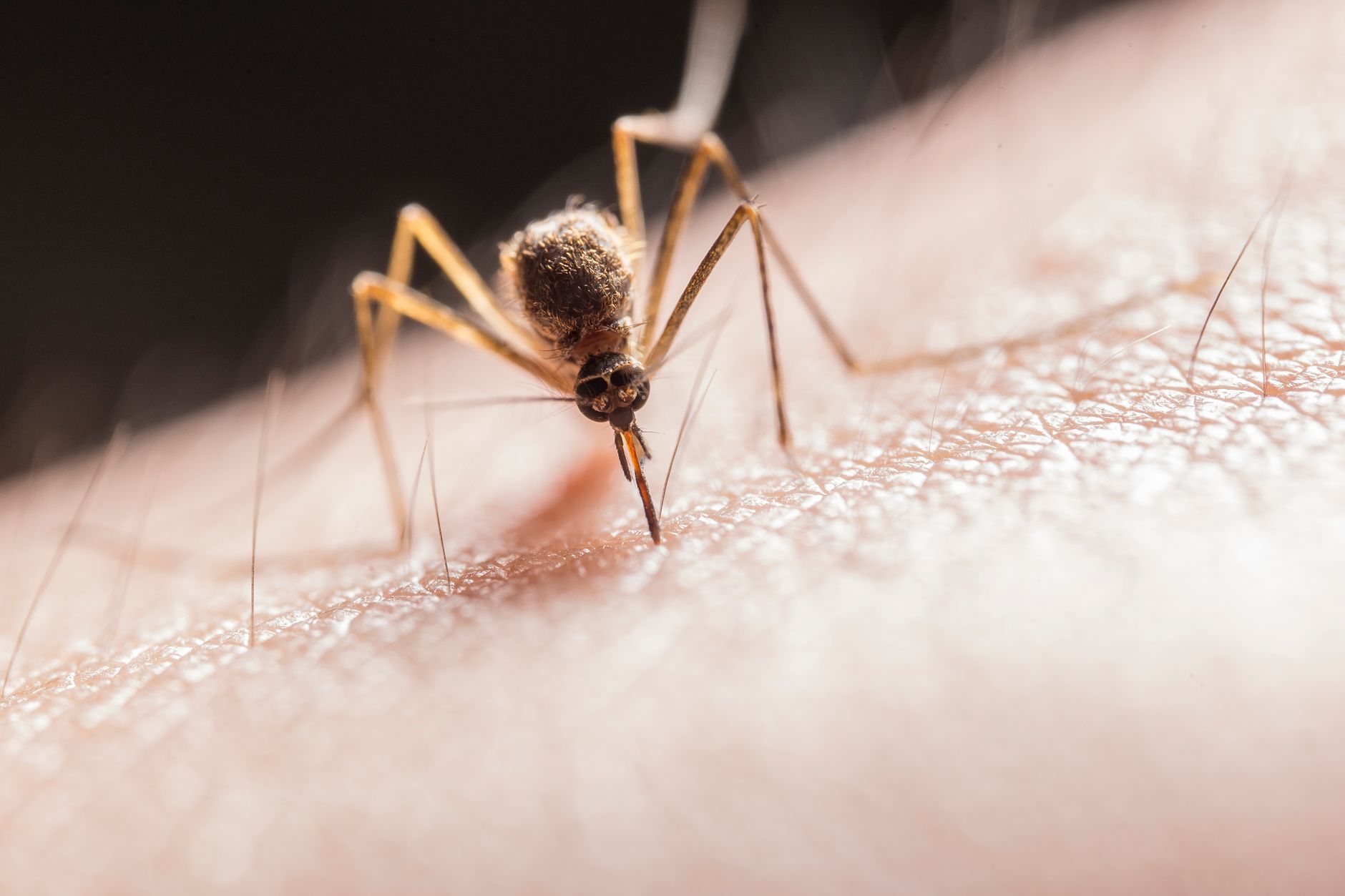
India's disease burden reflects a transitional economy. The country simultaneously battles communicable diseases like tuberculosis, malaria, and dengue, while also experiencing a rising tide of non-communicable diseases such as diabetes, cardiovascular conditions, and cancer. This dual burden strains healthcare resources and requires diverse intervention strategies.
Maternal and child health remains a priority area. Although India has made significant progress in reducing maternal mortality rates over the past two decades, they remain higher than desired targets. Infant mortality, malnutrition among children, and childhood diseases continue to require focused attention, particularly in rural and underserved areas.
Access to healthcare varies dramatically between urban and rural regions. Rural areas, which house about 65 percent of India's population, face shortages of doctors, nurses, medical equipment, and medicines. Many rural residents must travel long distances to access quality healthcare, creating barriers especially for emergency care and specialized treatment.
Government Welfare Initiatives
The Indian government has launched several flagship programs to address healthcare gaps. The Ayushman Bharat scheme, launched in 2018, represents one of the world's largest health insurance programs, providing coverage up to 500,000 rupees per family per year for secondary and tertiary hospitalization to approximately 100 million vulnerable families.
The National Health Mission focuses on strengthening health systems, particularly in rural areas, by improving infrastructure, training health workers, and ensuring essential medicines and diagnostics are available. Programs targeting specific diseases like the National Tuberculosis Elimination Program and polio eradication efforts have shown measurable success.
The Integrated Child Development Services scheme addresses malnutrition and provides supplementary nutrition, immunization, and health check-ups for children and pregnant women. These interventions have contributed to improved health indicators among vulnerable populations.
Population Dynamics and Health Implications
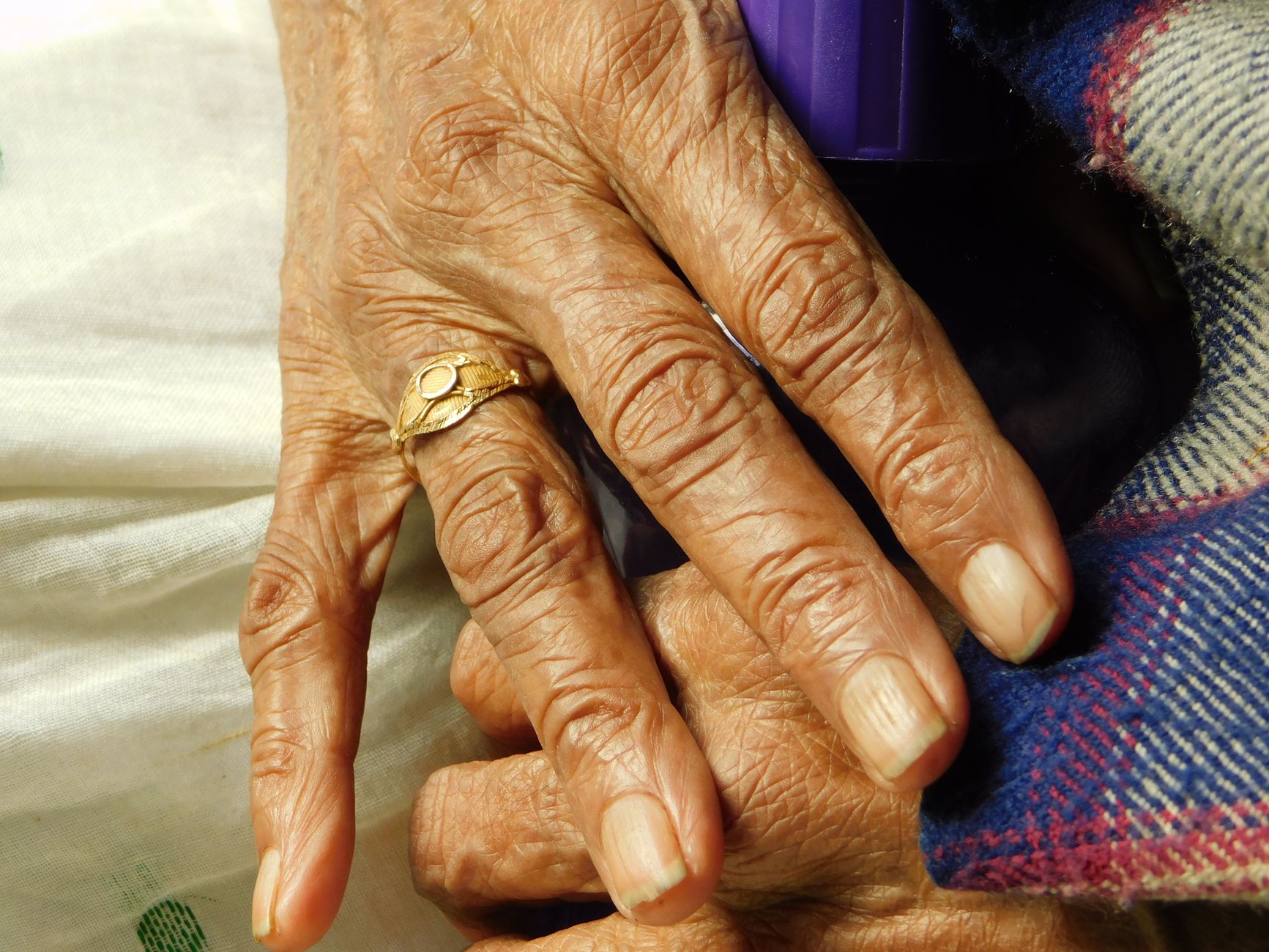
India's demographic profile significantly impacts healthcare planning. With a median age around 28 years, the country has a relatively young population, but this is changing. The proportion of elderly citizens is growing, bringing increased demand for geriatric care, management of chronic diseases, and long-term care facilities.
Population density varies enormously across states, creating different healthcare challenges. High-density urban areas face issues like air pollution, lifestyle diseases, and strain on hospital infrastructure, while remote rural areas struggle with basic healthcare access and sanitation.
The Role of Traditional Medicine
India's healthcare system uniquely incorporates traditional medicine systems like Ayurveda, Yoga, Unani, Siddha, and Homeopathy under the AYUSH ministry. These systems remain popular, particularly in rural areas, and the government promotes integrative medicine approaches combining modern and traditional practices.
Moving Toward Universal Health Coverage
India continues working toward achieving universal health coverage, aiming to ensure all citizens can access quality health services without financial hardship. This involves expanding insurance coverage, increasing public health spending as a percentage of GDP, strengthening primary healthcare, and addressing social determinants of health like clean water, sanitation, and nutrition.
The COVID-19 pandemic highlighted both strengths and weaknesses in India's health system, accelerating digital health initiatives, telemedicine adoption, and vaccine manufacturing capabilities while exposing gaps in critical care infrastructure and health workforce distribution.
This article provides general information about India's healthcare system and population health trends for educational purposes only. It is not intended as medical advice or a comprehensive policy analysis. Readers should consult qualified healthcare professionals for personal health concerns and official government sources for current program details and eligibility criteria.