India has achieved a major milestone in public health with the approval of QDENGA, the nation's first-ever dengue vaccine. Developed by Takeda Pharmaceutical Company Limited of Japan, this vaccine represents a breakthrough in the fight against dengue fever, a mosquito-borne viral disease that has long plagued the Indian subcontinent.
Understanding Dengue and Its Impact on India
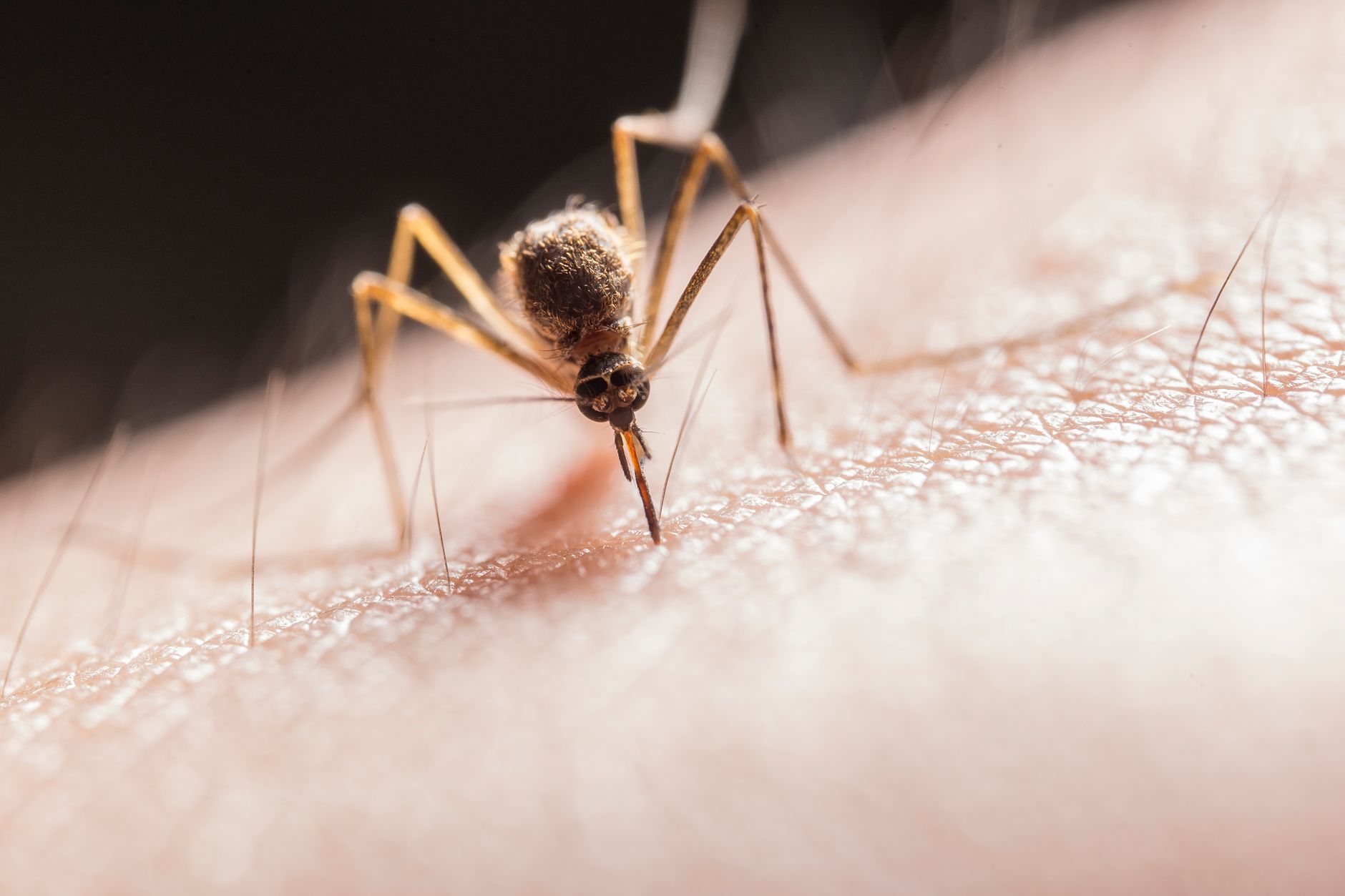
Dengue fever is a tropical disease transmitted primarily by Aedes aegypti mosquitoes. The infection can range from mild flu-like symptoms to severe complications such as dengue hemorrhagic fever and dengue shock syndrome, which can be fatal if not treated promptly.
India bears one of the highest dengue burdens globally. During monsoon and post-monsoon seasons, cases surge dramatically, overwhelming healthcare systems in both urban and rural areas. Symptoms typically include high fever, severe headache, pain behind the eyes, joint and muscle pain, and skin rash. In severe cases, patients may experience bleeding, organ failure, and plasma leakage.
The disease affects people of all ages, though children and elderly individuals with compromised immunity face higher risks of severe outcomes. Despite vector control measures and public awareness campaigns, dengue continues to cause substantial morbidity and mortality across the country.
What Makes QDENGA Significant
QDENGA is a live-attenuated vaccine, meaning it contains weakened forms of the virus that cannot cause disease but can trigger an immune response. What sets this vaccine apart is its ability to protect against all four dengue serotypes – DENV-1, DENV-2, DENV-3, and DENV-4.
This comprehensive protection is crucial because infection with one serotype does not provide immunity against the others. In fact, subsequent infections with different serotypes can lead to more severe disease outcomes, making a broad-spectrum vaccine essential for endemic regions like India.
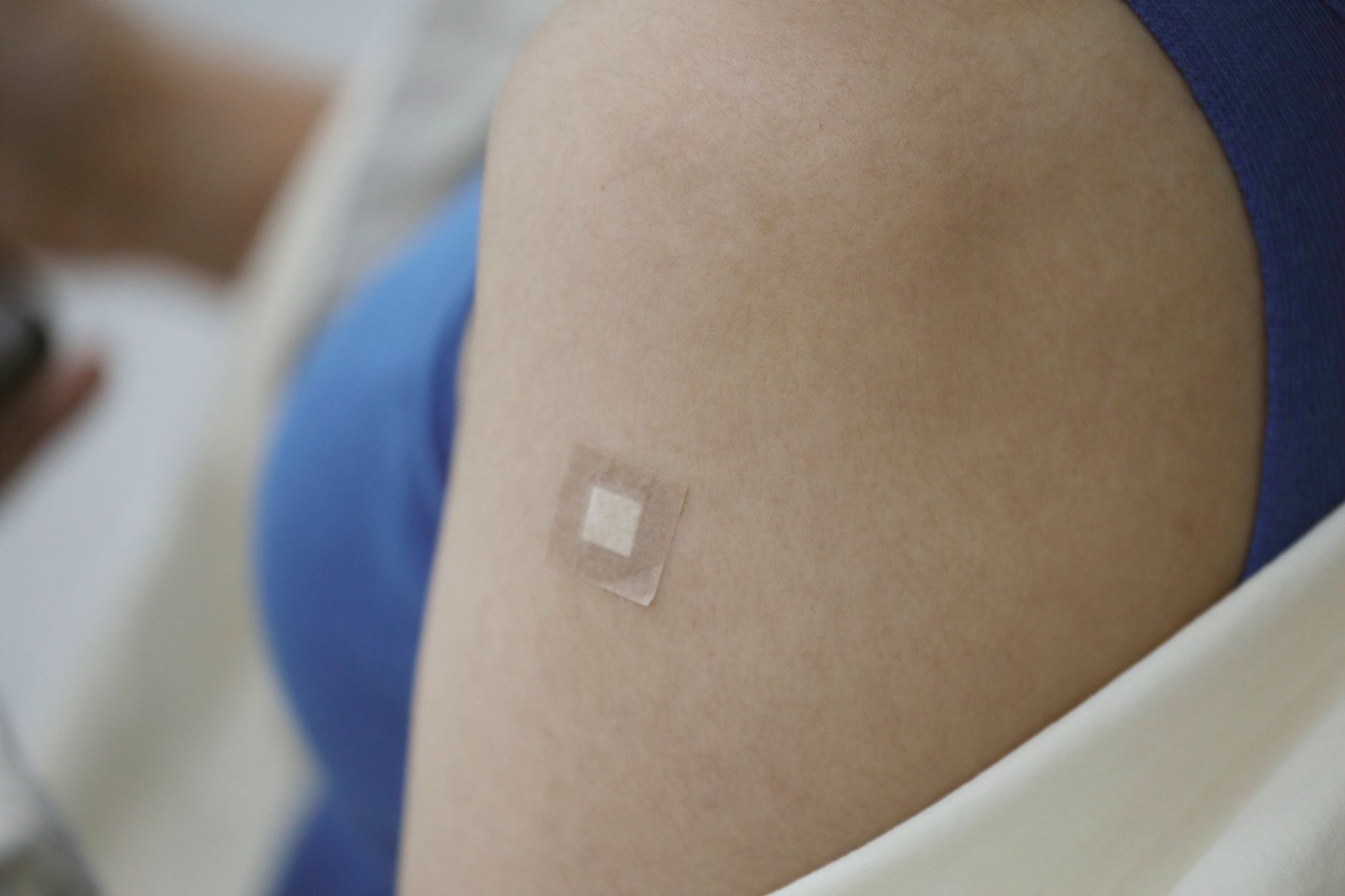
The vaccine is administered in a two-dose schedule, with the second dose given three months after the first. Clinical trials have demonstrated its efficacy in preventing symptomatic dengue and reducing hospitalizations due to the disease.
Global Context and Previous Approvals
Before India's approval, QDENGA had already received regulatory clearance in several countries. The European Union approved it in 2022, followed by the United Kingdom, Brazil, Argentina, Indonesia, and Thailand. Each approval brought the vaccine closer to populations most affected by dengue.
The vaccine's development involved extensive clinical trials across dengue-endemic regions in Asia and Latin America, involving thousands of participants. These trials provided robust safety and efficacy data that formed the basis for regulatory submissions worldwide.
Implications for India's Public Health Strategy
The approval of QDENGA could transform dengue prevention strategies in India. Currently, dengue control relies heavily on mosquito control measures, public awareness, and prompt treatment of cases. While these approaches are important, they have limitations in preventing the disease entirely.
With a vaccine now available, health authorities can consider incorporating it into targeted immunization programs, particularly in high-burden areas. Schools, residential complexes in mosquito-prone zones, and healthcare workers could be priority groups for vaccination campaigns.
However, several factors will determine the vaccine's real-world impact. These include affordability, accessibility, cold chain infrastructure requirements, public acceptance, and integration into existing immunization frameworks.
Considerations and Challenges Ahead
The introduction of any new vaccine comes with logistical and economic considerations. The cost per dose, which has not been widely disclosed for the Indian market, will be a determining factor in how quickly and broadly the vaccine can be deployed.
Additionally, healthcare providers will need training on administration protocols, contraindications, and monitoring for adverse events. Public education campaigns will be necessary to build awareness and acceptance, addressing any vaccine hesitancy that might exist.
The vaccine is typically recommended for individuals aged four to sixty years living in or traveling to endemic areas. Those with certain immune conditions or allergies may need to consult healthcare providers before vaccination.
India's drug regulatory authority will continue monitoring the vaccine's safety profile as it rolls out, collecting real-world data on effectiveness and any rare adverse events that might not have appeared in clinical trials.
This article is for general information purposes only and should not be considered medical advice. Individuals should consult qualified healthcare professionals regarding vaccination decisions, especially considering personal health conditions and risk factors.