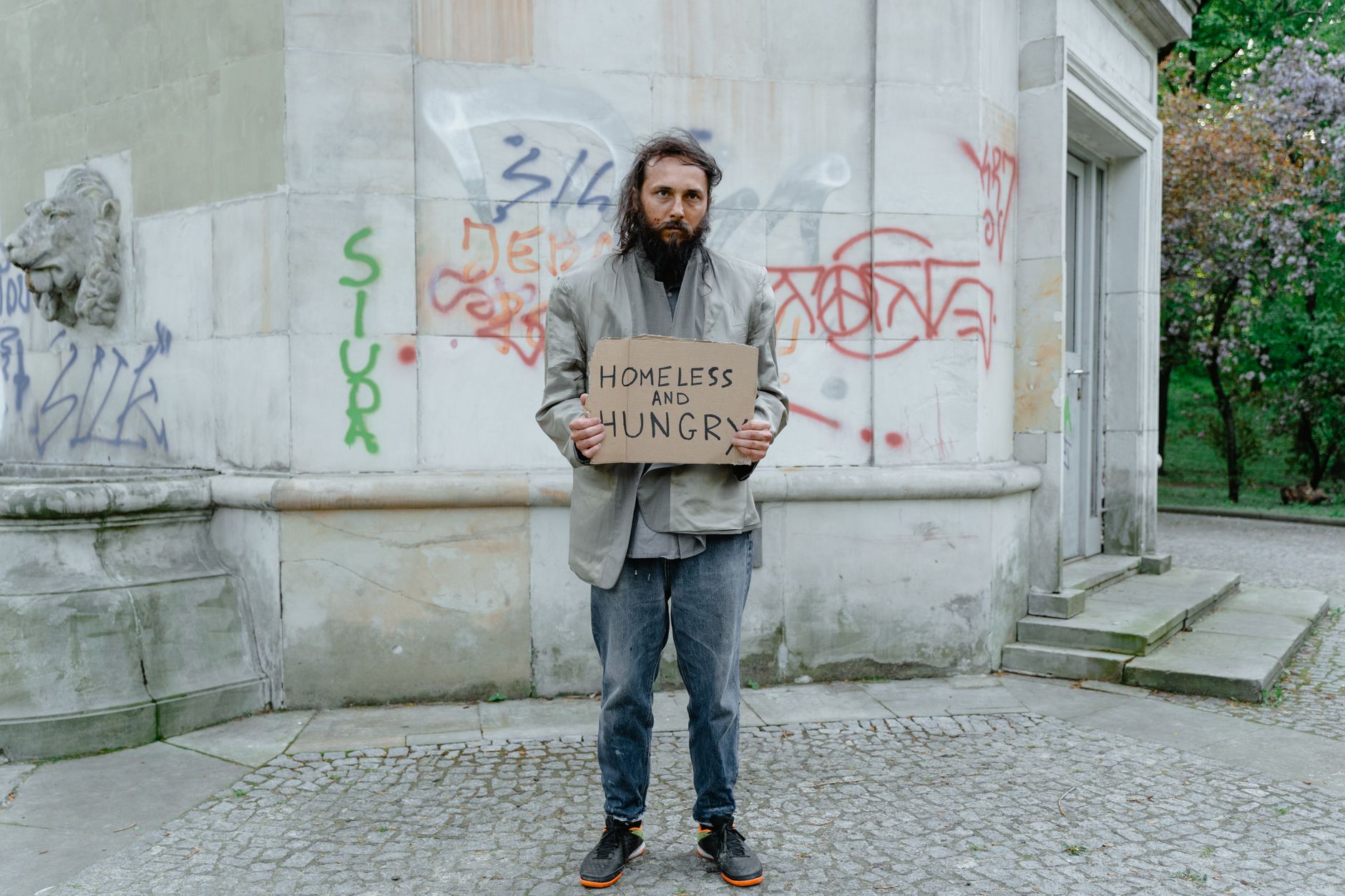
Sonam Wangchuk, the acclaimed engineer and education reformer from Ladakh who inspired the character Phunsukh Wangdu in the film "3 Idiots," has undertaken a hunger strike to draw attention to demands related to Ladakh's constitutional status and environmental protection. As courts hear petitions and health monitors track his condition, this event brings renewed focus to the practice of hunger strikes as protest tools and their significant health consequences.
The Tradition of Hunger Strikes in India
Hunger strikes have deep roots in Indian protest movements, most famously employed by Mahatma Gandhi during the independence struggle. This form of civil disobedience relies on self-suffering to generate public sympathy and pressure authorities into dialogue or action. Activists from Anna Hazare to farmers' groups have used this method in recent decades to highlight various social, political, and environmental causes.
In Wangchuk's case, the protest relates to demands for Ladakh's inclusion under the Sixth Schedule of the Constitution, which would grant the region greater autonomy over land and resources, alongside statehood and other protections for the fragile Himalayan ecology.
What Happens to the Body During a Hunger Strike
When someone stops eating but continues drinking water, the body undergoes a series of predictable changes that become increasingly dangerous over time.
During the first 24-48 hours, the body depletes its glycogen stores from the liver and muscles for energy. Blood sugar levels drop, leading to weakness, irritability, and difficulty concentrating.
After two to three days, the body enters ketosis, beginning to break down fat reserves for fuel. This produces ketones, which can cause bad breath, nausea, and dizziness. Many people experience headaches, fatigue, and mood changes during this phase.
Beyond one week, the body starts breaking down muscle tissue, including potentially the heart muscle, to obtain protein. The immune system weakens significantly, making infections more likely. Electrolyte imbalances become dangerous, potentially causing cardiac arrhythmias.
After three weeks, organ damage becomes increasingly likely. The digestive system may begin to atrophy, making refeeding dangerous without medical supervision. Cognitive function deteriorates, and the risk of sudden cardiac arrest increases substantially.
Medical Monitoring During Protest Fasts
Responsible hunger strikers typically work with medical teams who monitor vital signs including blood pressure, heart rate, blood glucose levels, and electrolyte balance. Key warning signs that medical professionals watch for include:
- Severe dehydration despite water intake
- Irregular heartbeat or chest pain
- Extreme weakness or inability to stand
- Confusion or altered mental status
- Dangerously low blood pressure
- Kidney function deterioration
Courts and authorities often become involved when hunger strikes extend beyond safe durations, sometimes ordering medical intervention or force-feeding in extreme cases, though such measures raise ethical and legal questions about bodily autonomy versus state responsibility for citizen safety.
The Psychology of Fasting Protests
The effectiveness of hunger strikes relies on their ability to generate public attention and moral pressure. The protester essentially holds their own life hostage to their cause, betting that opponents will yield before irreversible harm occurs.
This creates intense psychological pressure on all parties involved. For the protester, determination must overcome survival instincts and physical suffering. For authorities and the public, watching someone slowly harm themselves creates moral discomfort that can translate into political pressure for resolution.
Risks of Refeeding
Paradoxically, breaking a prolonged fast can be as dangerous as the fast itself. Refeeding syndrome occurs when food is reintroduced too quickly, causing dangerous shifts in electrolytes and fluids. This can lead to heart failure, respiratory failure, and other life-threatening complications.
Medical supervision during the refeeding process is essential for anyone who has fasted for more than a week. Food must be reintroduced gradually, starting with small amounts of easily digestible items and slowly increasing over days or weeks depending on the fast's duration.
Alternatives and Considerations
While hunger strikes capture attention, critics argue they risk the protester's health without guaranteeing results. Alternative protest methods including sit-ins, marches, legal challenges, and awareness campaigns can sustain pressure longer without the same medical risks.
However, supporters counter that in situations where other methods have failed, hunger strikes represent a last resort that demonstrates the depth of commitment to a cause and the urgency of addressing it.
This article provides general information only and should not be considered medical advice. Anyone considering fasting for any reason should consult healthcare professionals, and prolonged fasting without medical supervision can be life-threatening.