India's drug regulatory authority has given the green light to QDENGA, a dengue vaccine that represents a major advancement in preventing one of the country's most persistent public health challenges. This approval comes at a critical time when dengue cases continue to rise annually, placing significant burden on healthcare systems across the nation.
Understanding QDENGA and How It Works
QDENGA is a live-attenuated tetravalent dengue vaccine, meaning it contains weakened forms of all four dengue virus serotypes. Unlike some earlier dengue vaccines that faced limitations, this vaccine is designed to provide protection regardless of whether an individual has previously been infected with dengue. The vaccine is administered in two doses, given three months apart, and can be used in individuals aged four to sixty years.
The vaccine works by stimulating the immune system to recognize and fight all four types of dengue virus. This comprehensive approach is crucial because infection with one serotype does not provide lasting immunity against the others. In fact, subsequent infections with different serotypes can sometimes lead to more severe disease, making broad-spectrum protection particularly valuable.
Why This Matters for India
India faces a substantial dengue burden, with hundreds of thousands of reported cases annually and actual numbers likely much higher due to underreporting. The disease affects both urban and rural populations, with outbreaks often overwhelming hospitals during monsoon and post-monsoon seasons. Children and young adults are particularly vulnerable to severe dengue, which can lead to life-threatening complications including dengue hemorrhagic fever and dengue shock syndrome.
The availability of QDENGA adds an important preventive tool alongside existing vector control measures. While mosquito control remains essential, vaccines can provide individual-level protection, especially for high-risk populations and in areas where mosquito elimination proves challenging.
Clinical Evidence and Global Experience
Clinical trials of QDENGA involved over 28,000 participants across dengue-endemic regions in Asia and Latin America. The vaccine demonstrated significant efficacy in preventing symptomatic dengue and substantially reduced hospitalizations due to the disease. Studies showed protection was maintained over several years following vaccination, though long-term surveillance continues.
The vaccine has already received regulatory approval in several countries, including those in the European Union, Indonesia, and Thailand. This global acceptance reflects confidence in its safety profile and potential public health impact. Common side effects reported include pain at injection site, headache, muscle pain, and fatigue, which are generally mild and resolve within a few days.
Implementation Challenges Ahead
Despite this promising development, several practical challenges lie ahead. The vaccine requires cold chain storage and a two-dose schedule, which demands robust healthcare infrastructure and patient follow-up systems. Cost and accessibility will be crucial factors determining how widely the vaccine reaches vulnerable populations.
Public health authorities will need to develop clear guidelines on priority groups for vaccination. Given India's large population and limited initial vaccine supplies, targeted approaches focusing on high-burden areas and vulnerable age groups may be necessary initially before broader rollout becomes feasible.
The Broader Dengue Control Strategy
QDENGA should be viewed as one component of comprehensive dengue control, not a complete solution. Integrated vector management, including elimination of mosquito breeding sites, use of insecticides, and community awareness programs, remains fundamental. Improved surveillance systems to detect outbreaks early and enhanced clinical management of severe cases are equally important.
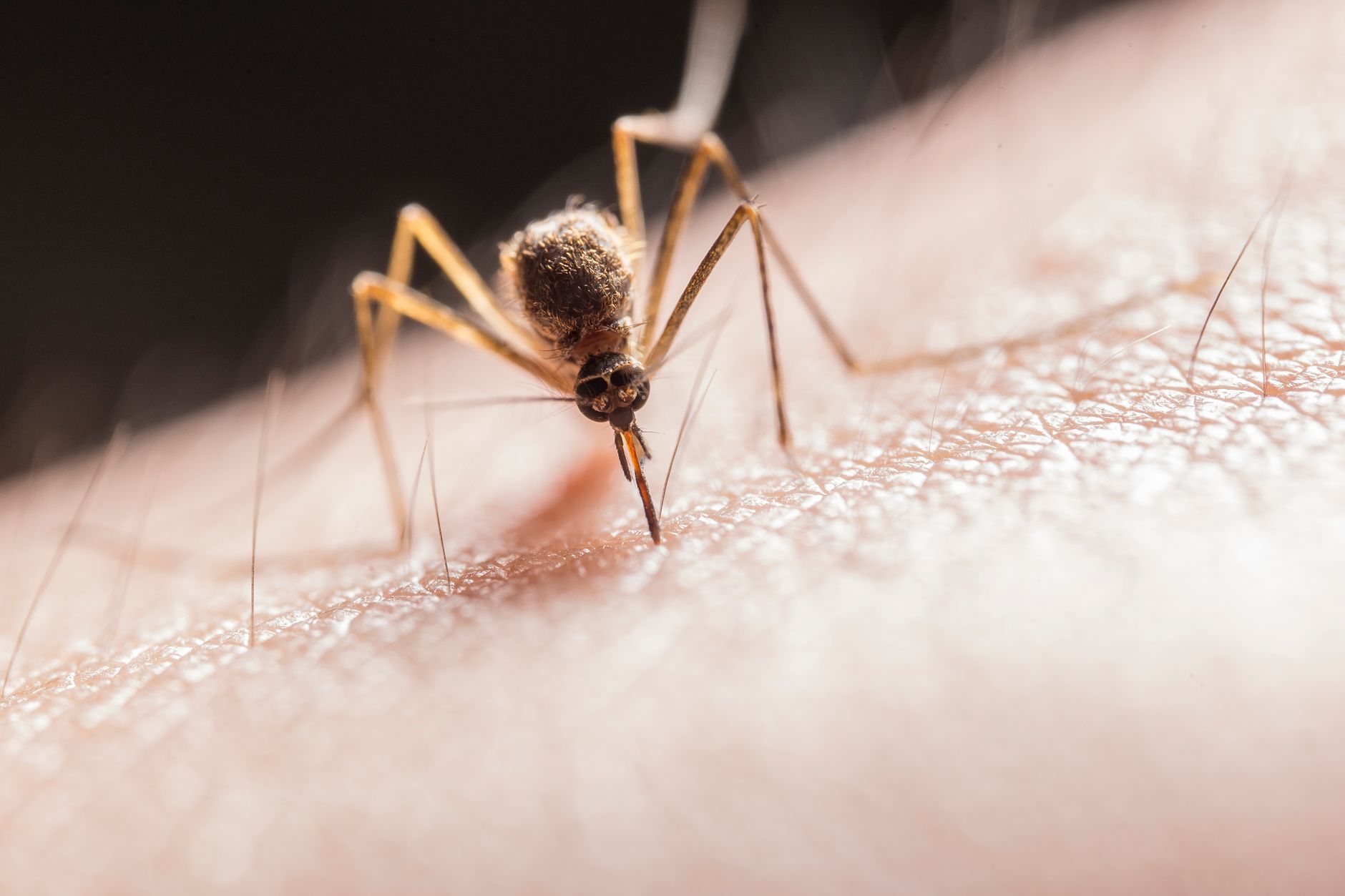
Environmental modifications, such as better urban planning, improved water storage practices, and waste management, address the root causes that allow Aedes mosquitoes to thrive. The vaccine's effectiveness will be maximized when combined with these proven interventions.
Looking Forward
The approval of QDENGA marks a significant milestone in India's dengue control efforts, offering hope for reducing the disease burden that affects millions annually. As implementation strategies are developed and vaccination programs are rolled out, monitoring real-world effectiveness and safety will be essential.
Success will depend on coordinated efforts between government agencies, healthcare providers, communities, and individuals. With climate change potentially expanding mosquito habitats and dengue transmission zones, having effective preventive tools becomes increasingly critical.
This article provides general information about dengue vaccination and public health developments. It is not intended as medical advice. Individuals should consult qualified healthcare professionals regarding vaccination decisions and dengue prevention strategies appropriate for their specific circumstances and health conditions.