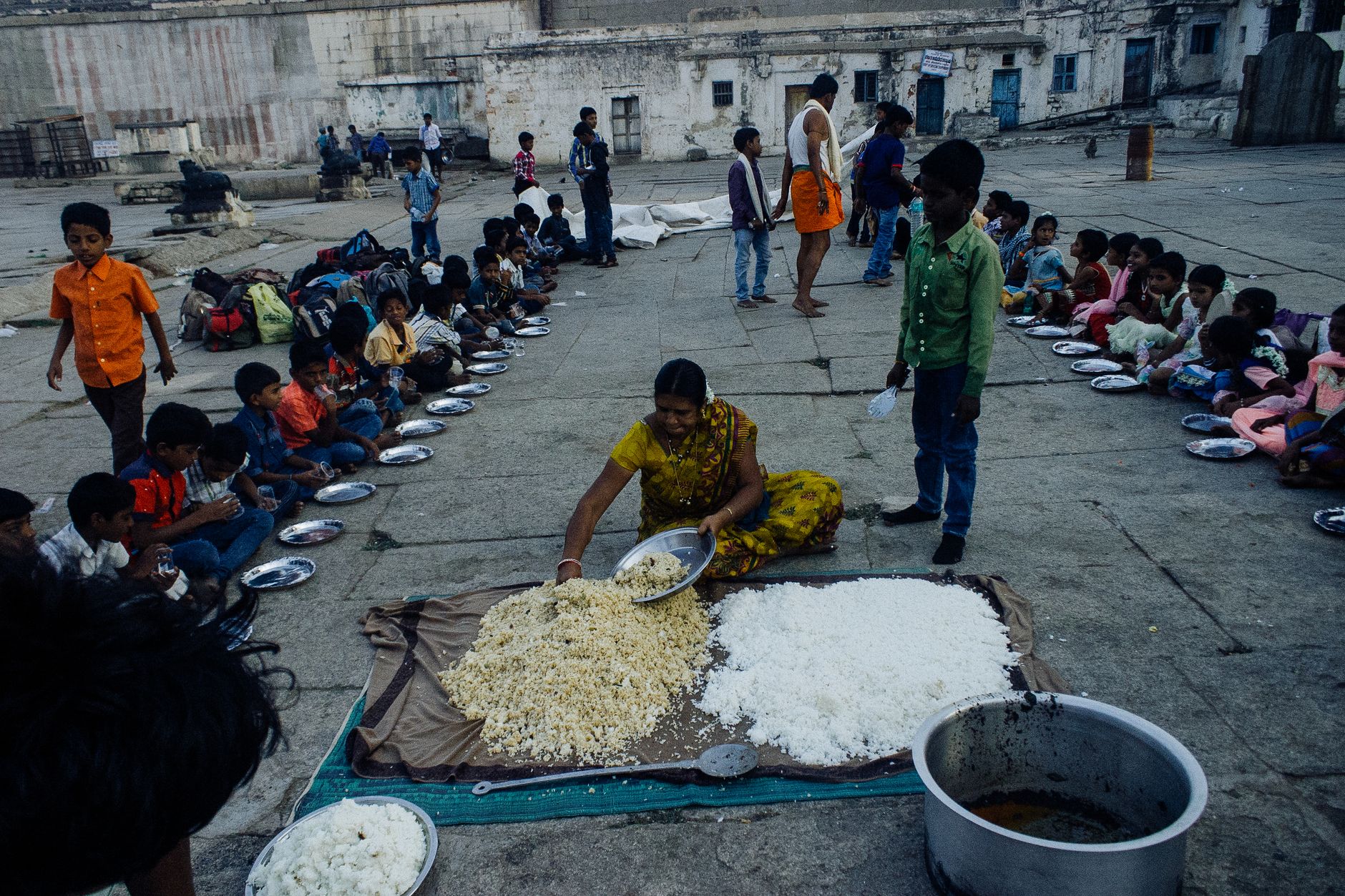
India faces a paradoxical nutrition challenge where millions of children suffer from undernutrition while an increasing number are becoming overweight or obese. Recognizing this dual burden, global health experts have developed a policy roadmap specifically designed to improve children's health and dietary patterns across the country. This initiative comes at a crucial time when childhood nutrition directly impacts the nation's future workforce and economic productivity.
The Current State of Child Nutrition in India
India is home to approximately 30 percent of the world's stunted children, with malnutrition remaining a persistent public health concern. Stunting, wasting, and micronutrient deficiencies continue to affect millions of children under five years of age, particularly in rural and economically disadvantaged communities. Simultaneously, urban areas are witnessing a rapid rise in childhood obesity linked to changing dietary habits, increased consumption of processed foods, and sedentary lifestyles.
This double burden creates unique challenges for policymakers who must address undernutrition while preventing the obesity epidemic from worsening. The situation is further complicated by regional disparities, with some states performing significantly better than others in child nutrition indicators.
Key Components of the Policy Roadmap
The newly launched framework encompasses multiple intervention strategies targeting different aspects of child nutrition. These include strengthening existing government programs like the Integrated Child Development Services and the Mid-Day Meal Scheme, which already reach millions of children but require quality improvements and better monitoring mechanisms.
The roadmap emphasizes the importance of the first 1,000 days of life, from conception to a child's second birthday, as a critical window for nutritional interventions. During this period, proper nutrition can prevent irreversible damage to physical and cognitive development.
Addressing Dietary Diversity and Quality
One major focus area is improving dietary diversity among children. Many Indian children consume diets heavily dependent on cereals and lacking in proteins, fruits, vegetables, and dairy products. The policy framework encourages:
- Promotion of locally available nutrient-rich foods including millets, pulses, and seasonal vegetables
- Education programs for parents and caregivers about balanced diets
- Fortification of staple foods with essential vitamins and minerals
- Regulation of marketing of unhealthy foods targeted at children
- School-based nutrition education integrated into curricula
The Role of Healthcare Systems
Healthcare infrastructure plays a vital role in monitoring and improving child nutrition. The roadmap calls for strengthening primary healthcare centers to regularly track children's growth parameters and provide timely interventions when malnutrition is detected. Community health workers need better training to identify warning signs and counsel families on appropriate feeding practices.
Additionally, the framework emphasizes integrating nutrition services with other child health programs, including immunization drives and maternal health services, to create a comprehensive approach to child wellbeing.
Tackling Socioeconomic Determinants
Nutrition cannot be addressed in isolation from broader socioeconomic factors. The policy framework recognizes that poverty, lack of education, inadequate sanitation, and food insecurity all contribute to poor child nutrition outcomes. Therefore, successful implementation requires coordination across multiple sectors including agriculture, water and sanitation, education, and social welfare.
Women's empowerment and education are particularly crucial, as maternal nutrition knowledge and decision-making power directly influence children's dietary intake and health outcomes.
Implementation Challenges and Solutions
Implementing nutrition policies across a diverse country of over 1.4 billion people presents significant challenges. The roadmap acknowledges issues such as limited budgets, inadequate infrastructure in remote areas, and the need for behavior change at the household level.
Proposed solutions include leveraging technology for monitoring and service delivery, public-private partnerships to expand reach, and community participation to ensure cultural appropriateness and local ownership of programs.
Measuring Success
The framework establishes clear targets and indicators to track progress, including reductions in stunting and wasting rates, improvements in dietary diversity scores, and decreases in micronutrient deficiencies. Regular assessments and course corrections based on data will be essential for achieving long-term goals.
With concerted effort from government bodies, international organizations, civil society, and families themselves, this policy roadmap has the potential to transform child nutrition in India, setting the foundation for a healthier and more productive future generation.
This article is for general informational purposes only and does not constitute medical or nutritional advice. Parents and caregivers should consult qualified healthcare professionals for specific guidance regarding children's health and dietary needs.