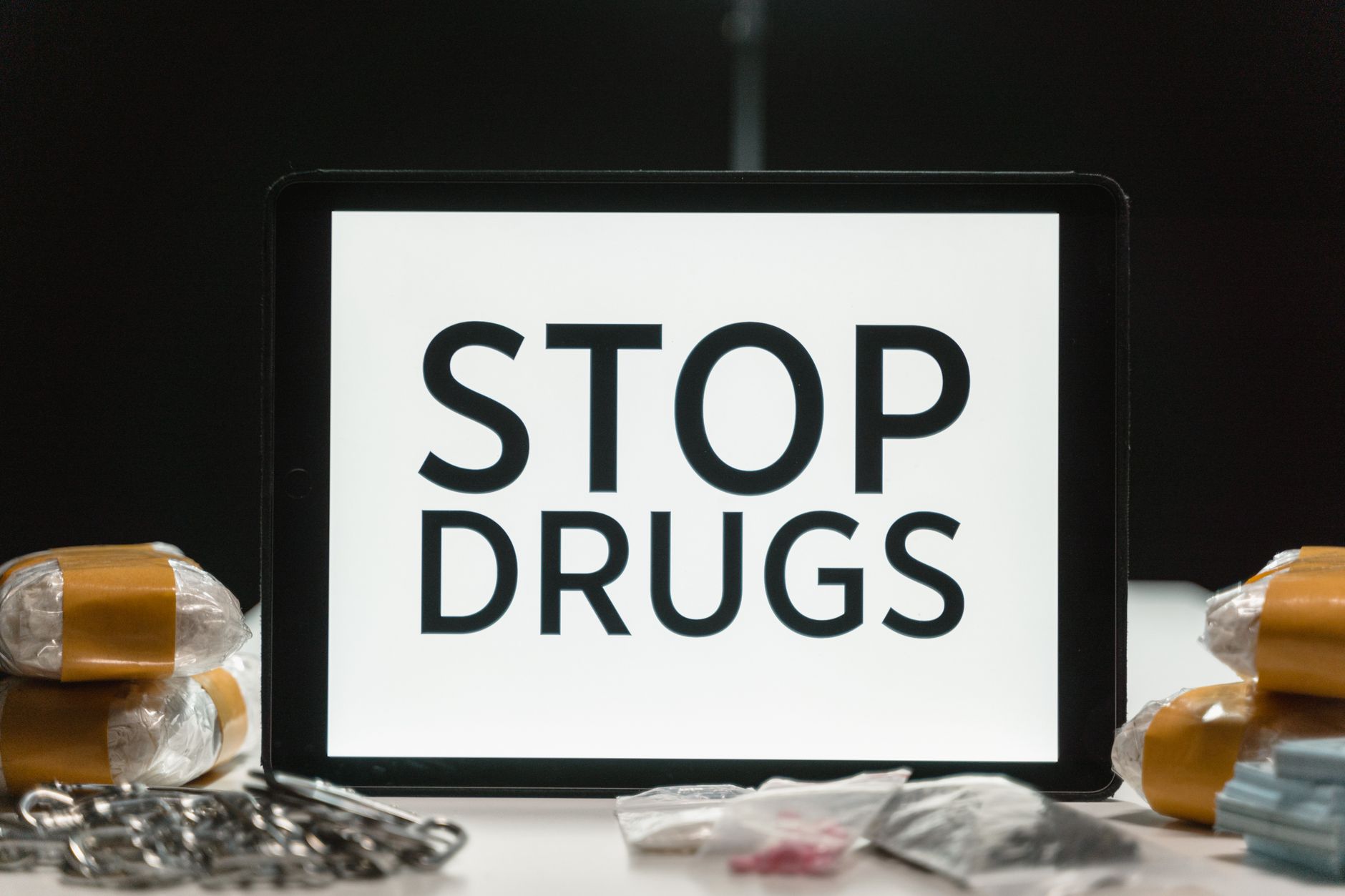
The Meri Yuva Bharat (MY Bharat) platform has launched an ambitious nationwide campaign titled 'जागरूक जिगर: Nasha Mukt Yuva for Viksit Bharat' (Aware Liver: Addiction-Free Youth for Developed India), addressing one of the most pressing health concerns affecting Indian youth today. This initiative aligns with the government's broader vision of creating a developed India by 2047 through empowered and healthy young citizens.
Understanding the Substance Abuse Crisis in India
India faces a growing challenge with substance abuse among its youth population. According to various health studies, millions of young Indians are affected by different forms of addiction, ranging from alcohol and tobacco to prescription drug misuse and illicit substances. The problem extends beyond urban centres, penetrating rural areas and affecting families across socioeconomic strata. The physical, mental, and social consequences of substance abuse pose significant barriers to individual development and national progress.
The campaign's name 'Jagrook Jigar' cleverly plays on the dual meaning of 'jigar' in Hindi, which refers both to the liver organ (often damaged by substance abuse) and colloquially means courage or heart. This linguistic nuance emphasizes both the physiological and psychological aspects of the de-addiction message.
Key Objectives of the Campaign
The initiative focuses on multiple dimensions of substance abuse prevention and intervention. Primary among these is raising awareness about the harmful effects of various addictive substances on physical health, particularly liver function, brain development, and overall well-being. Young people often underestimate long-term health consequences, making education critical.
The campaign also aims to destigmatize addiction and encourage those struggling with substance abuse to seek help. Social stigma frequently prevents individuals and families from accessing support services, perpetuating cycles of addiction. By creating open conversations, the initiative hopes to normalize treatment-seeking behaviour.
Additionally, the programme emphasizes building life skills and resilience among youth. Many young people turn to substances due to peer pressure, stress, academic anxiety, or lack of healthy coping mechanisms. Providing alternatives and strengthening mental health becomes essential for prevention.
Implementation Strategy
MY Bharat's approach involves mobilizing youth volunteers across the country to become peer educators and community advocates. This peer-to-peer model recognizes that young people often respond better to messages delivered by their contemporaries rather than authority figures. Trained volunteers conduct awareness sessions in educational institutions, community centres, and public spaces.
The campaign utilizes multiple communication channels including social media platforms, interactive workshops, street plays, and cultural events to reach diverse youth demographics. Digital outreach proves particularly effective given India's high smartphone penetration among young people.
Local partnerships with healthcare facilities, counselling centres, and rehabilitation institutions ensure that awareness translates into accessible support for those needing intervention. The initiative also works to strengthen referral networks so individuals can easily access professional help.
Connection to Viksit Bharat Vision
The campaign explicitly links substance abuse prevention to India's development goals. A healthy, productive youth population forms the foundation for economic growth, innovation, and social progress. Substance abuse drains individual potential, burdens healthcare systems, and creates social costs that hinder national development.
By investing in youth wellness today, the initiative contributes to building human capital for India's future. Addiction-free young people can fully engage in education, skill development, entrepreneurship, and civic participation—all essential elements of a developed nation.
Broader Implications for Public Health
The 'Jagrook Jigar' campaign represents a shift toward preventive and community-based approaches in public health. Rather than focusing solely on law enforcement or clinical treatment, it emphasizes upstream interventions that address root causes and build protective factors within communities.
The initiative also highlights the importance of integrated approaches combining physical health, mental health, and social well-being. Effective substance abuse prevention requires addressing underlying issues like mental health challenges, unemployment, lack of recreational opportunities, and social disconnection.
How Communities Can Support
Community participation remains vital for the campaign's success. Parents, educators, employers, and local leaders can contribute by creating supportive environments, facilitating open conversations about substance abuse, and connecting young people with positive opportunities. Religious and cultural institutions can reinforce messages about healthy living aligned with traditional values.
Educational institutions can integrate substance abuse education into curricula and provide counselling services. Workplaces can implement employee wellness programmes addressing stress and promoting work-life balance, reducing risk factors for substance abuse.
This article provides general information about a public health initiative and should not replace professional medical advice. Individuals struggling with substance abuse should consult qualified healthcare providers and addiction specialists for appropriate treatment and support.