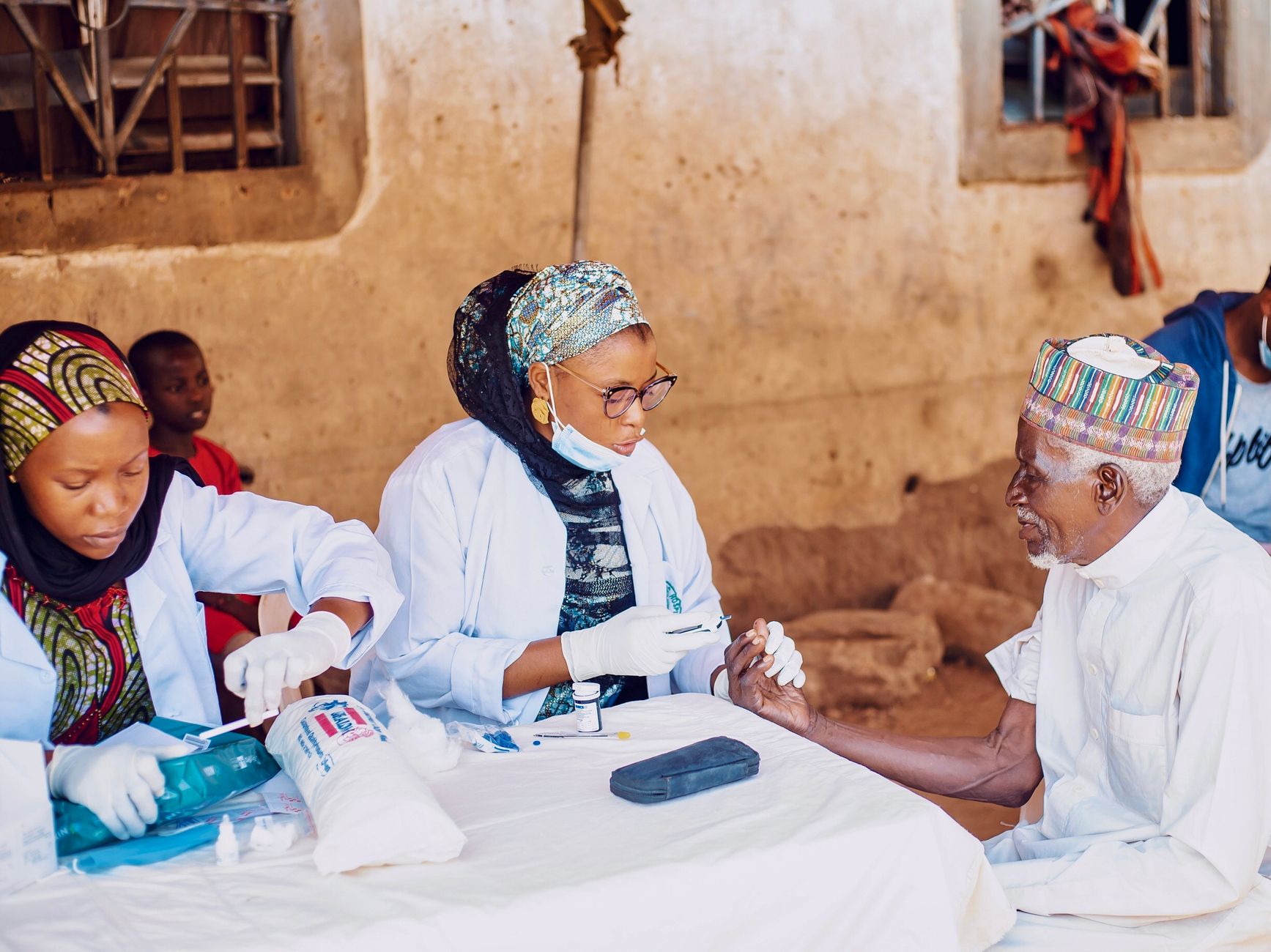
Motul India, the lubricant manufacturing company, has significantly expanded its corporate social responsibility efforts in the healthcare sector through its Sehat Ki Samriddhi initiative. The program has now grown to encompass 108 health camps spread across 27 districts, marking a substantial commitment to improving healthcare access in underserved regions of India.
Understanding the Sehat Ki Samriddhi Initiative
The Sehat Ki Samriddhi program represents a growing trend among Indian corporations to address healthcare disparities in rural and semi-urban areas. These health camps typically provide free medical consultations, basic diagnostic services, and health awareness programs to communities that often lack adequate access to medical facilities. The initiative's expansion to 108 camps demonstrates a systematic approach to creating sustainable healthcare impact across multiple regions.
Corporate-led health camps have become increasingly important in bridging India's healthcare gap, particularly in areas where government infrastructure remains limited or overburdened. By establishing presence in 27 districts, Motul India's program reaches diverse geographic and demographic populations, addressing varying health challenges specific to different regions.
Key Components of Mobile Health Camps
Health camp initiatives typically offer several essential services that make healthcare accessible to underserved populations. These camps generally include general health check-ups covering basic vital measurements like blood pressure, blood sugar levels, and body mass index assessments. Many also provide specialist consultations when doctors from specific fields participate in these outreach programs.
Preventive healthcare education forms another crucial component, with camps often conducting awareness sessions on nutrition, hygiene, seasonal diseases, and chronic condition management. Distribution of basic medicines and supplements, along with referrals for advanced treatment when necessary, ensures that camp attendees receive comprehensive care beyond just diagnosis.
Women and child health services frequently feature prominently in such initiatives, addressing maternal health, childhood vaccination awareness, and nutrition counselling. Given India's persistent challenges with maternal and infant mortality rates, these targeted interventions can create measurable impact in vulnerable communities.
The Growing Role of Corporate Healthcare CSR
The expansion of programs like Sehat Ki Samriddhi reflects a broader shift in how Indian companies approach their social responsibility mandates. The Companies Act 2013 requires certain businesses to spend a portion of their profits on CSR activities, and healthcare has emerged as a priority sector for many organizations.
This corporate involvement in healthcare delivery helps complement government efforts while bringing efficiency and innovation to service delivery. Companies often leverage their operational expertise, supply chain capabilities, and organizational skills to run more effective health camps than traditional charitable models.
Impact on Rural Healthcare Access
India's healthcare system faces significant urban-rural divides, with approximately 65 percent of the population living in rural areas but having access to only 30 percent of the country's healthcare infrastructure. Mobile health camps partially address this disparity by bringing medical services directly to communities rather than requiring patients to travel long distances.
For many residents of remote areas, these camps represent their only interaction with qualified medical professionals throughout the year. This makes the consistency and geographic spread of programs like Sehat Ki Samriddhi particularly valuable, especially when camps return to the same locations periodically, enabling follow-up care and building trust with local communities.
Challenges and Future Directions
While health camp initiatives create positive impact, they also face challenges including ensuring continuity of care, maintaining quality standards across multiple locations, and effectively tracking health outcomes. The most successful programs integrate with local healthcare systems, train community health workers, and establish referral networks for complex cases requiring hospital treatment.
The expansion to 108 camps suggests Motul India is committed to scaling impact while maintaining program quality. As corporate healthcare CSR continues evolving, such initiatives may increasingly incorporate telemedicine, digital health records, and partnerships with local healthcare providers to create more sustainable healthcare ecosystems.
The success of this initiative may inspire other corporations to expand their healthcare CSR efforts, potentially creating a network effect that significantly improves healthcare access across India's underserved regions. With strategic planning and community engagement, corporate health camps can serve as vital bridges in India's journey toward universal healthcare coverage.