India's monsoon season has once again brought dengue fever to the forefront of public health concerns, even as the country experiences a significant epidemiological transition. While traditional vector-borne diseases like malaria and kala-azar show declining trends, dengue cases are surging, and non-communicable diseases (NCDs) are becoming the dominant health challenge for millions of Indians.
The Dengue Surge During Monsoon
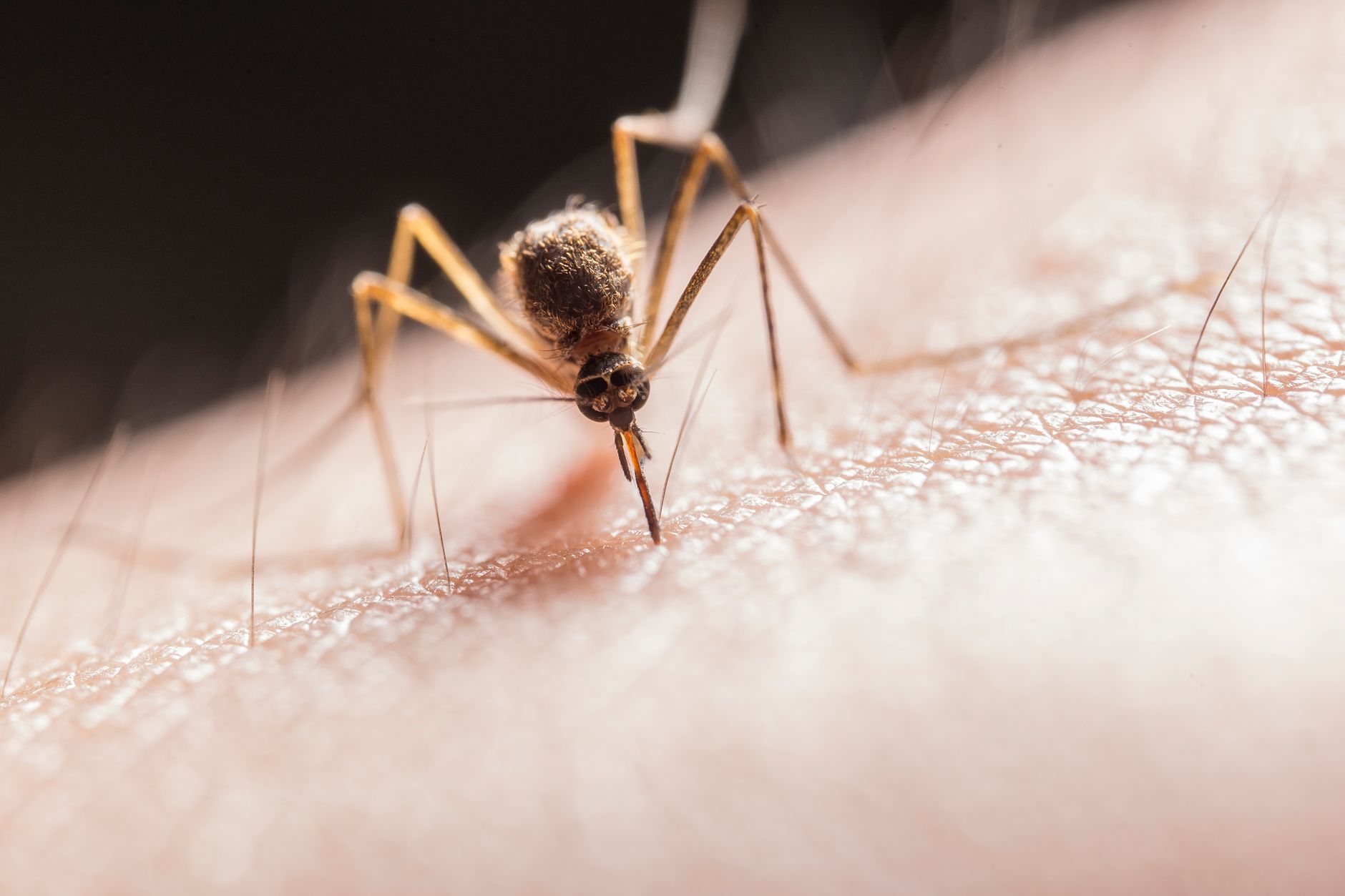
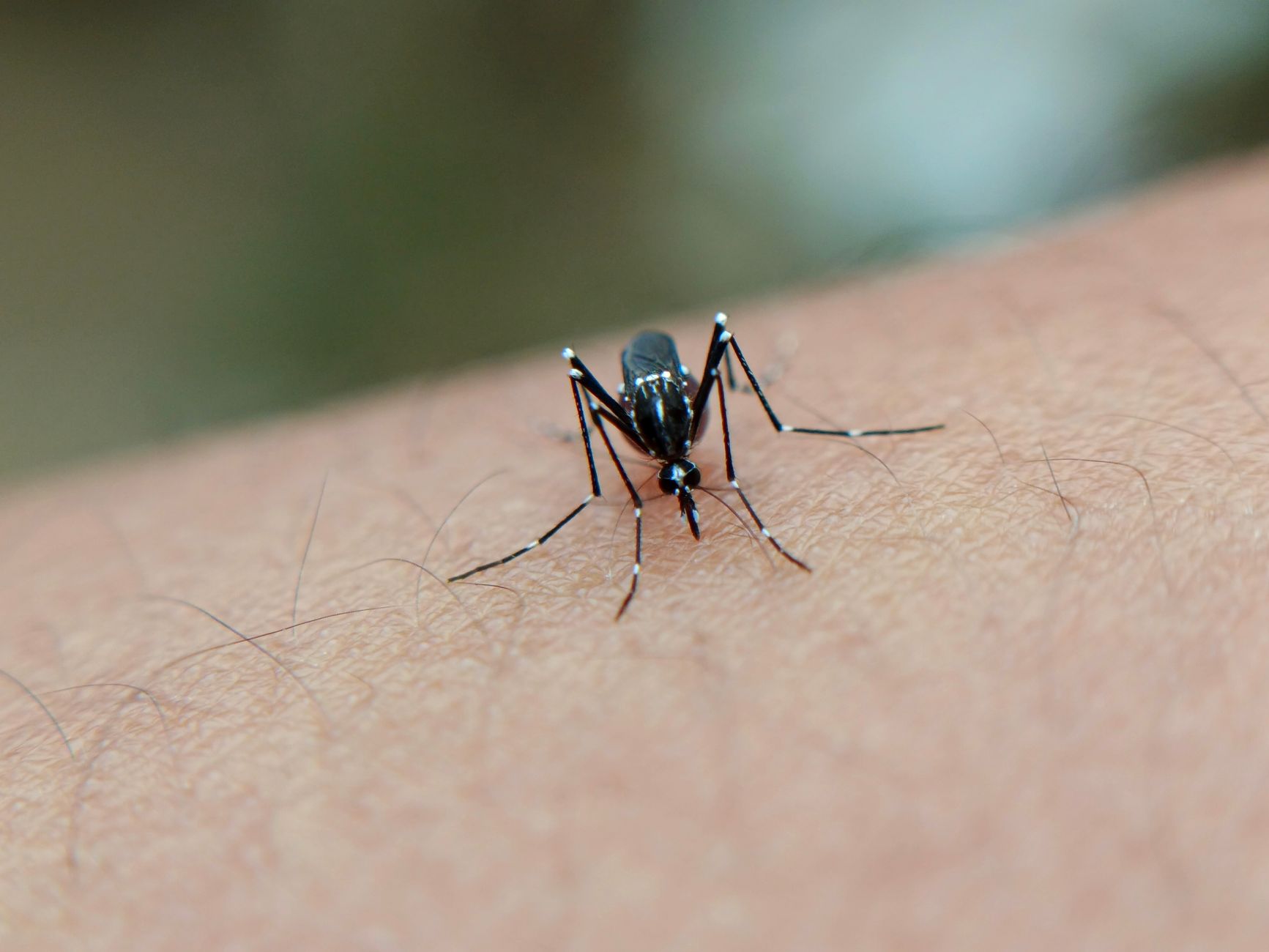
The monsoon months from June through September create ideal breeding conditions for Aedes aegypti mosquitoes, the primary vectors of dengue fever. Stagnant water in discarded containers, blocked drains, and water storage facilities become breeding grounds, leading to predictable seasonal spikes in dengue cases across urban and semi-urban areas.
This year's surge follows a familiar pattern, but health experts note that dengue's footprint is expanding. Cities that previously reported few cases are now experiencing outbreaks, partly due to urbanization, climate variability, and increased population density. Unlike malaria, which has seen successful control through targeted interventions, dengue remains challenging to manage due to the absence of a widely available vaccine and the mosquito's daytime biting habits.
Progress Against Malaria and Kala-Azar
India has made remarkable strides in controlling certain vector-borne diseases. Malaria cases have declined significantly over the past decade, thanks to coordinated efforts including insecticide-treated bed nets, indoor residual spraying, and improved access to rapid diagnostic tests and artemisinin-based combination therapies.
Similarly, kala-azar (visceral leishmaniasis), once endemic in Bihar and neighboring states, has seen dramatic reductions. The National Kala-Azar Elimination Programme has brought case numbers down through active surveillance, early diagnosis, and effective treatment protocols. Some districts have even achieved elimination targets, marking a significant public health victory.
These successes demonstrate that with sustained funding, political commitment, and community engagement, India can effectively control infectious diseases. However, they also highlight the need for similar dedicated efforts to address emerging challenges like dengue and the growing NCD burden.
The Rising Tide of Non-Communicable Diseases
While infectious diseases continue to require attention, India faces a more insidious long-term threat: non-communicable diseases. Diabetes, cardiovascular diseases, cancers, and chronic respiratory conditions now account for nearly 65 percent of all deaths in India, representing a fundamental shift in the country's disease profile.
Several factors drive this NCD epidemic. Rapid urbanization has changed dietary patterns, with increased consumption of processed foods high in salt, sugar, and unhealthy fats. Sedentary lifestyles have become the norm in cities, where many jobs involve prolonged sitting and physical activity is limited. Additionally, tobacco use remains prevalent despite awareness campaigns, contributing to respiratory diseases and cancers.
The economic impact of NCDs is staggering. These diseases affect people during their productive years, leading to lost income, high treatment costs, and reduced quality of life. Unlike acute infections, NCDs require long-term management, placing sustained pressure on both families and the healthcare system.
The Double Disease Burden Challenge
India's healthcare system now faces what epidemiologists call a "double disease burden"—simultaneously managing infectious diseases and the NCD epidemic. This creates unique challenges for resource allocation, infrastructure development, and health workforce training.
Primary health centers designed primarily for infectious disease management must now also provide NCD screening, counseling, and chronic care management. Health workers trained in maternal and child health need additional skills to manage diabetes and hypertension. This transition requires significant investment in training, equipment, and supply chains for medications.
Prevention and Preparedness Strategies
Addressing this complex health landscape requires multi-pronged strategies. For dengue, prevention remains key: eliminating mosquito breeding sites, using mosquito repellents, wearing protective clothing, and ensuring proper water storage. Community participation in source reduction activities is essential, as household containers account for most breeding sites.
For NCDs, prevention focuses on lifestyle modifications. Regular physical activity, balanced diets rich in fruits and vegetables, tobacco cessation, and limited alcohol consumption can significantly reduce NCD risk. Early screening programs can identify pre-diabetic conditions and hypertension before they progress to serious complications.
Policymakers must also address social determinants of health, including urban planning that encourages physical activity, food policies that make healthy choices affordable and accessible, and tobacco control measures that reduce initiation and promote cessation.
The convergence of seasonal dengue outbreaks and rising NCD prevalence underscores the need for a robust, adaptive healthcare system that can respond to both immediate threats and long-term health challenges facing India's diverse population.
This article provides general health information and should not replace professional medical advice. Readers experiencing symptoms of dengue or any health condition should consult qualified healthcare providers for proper diagnosis and treatment.