India has achieved a significant milestone in public health with international recognition of its Tele-MANAS (Tele-Mental Health Assistance and Networking Across States) initiative. The British Medical Journal's acknowledgment underscores the programme's scale and potential impact on mental healthcare delivery in one of the world's most populous nations.
What is Tele-MANAS?
Tele-MANAS is a comprehensive toll-free mental health helpline service launched by the Ministry of Health and Family Welfare as part of the National Tele Mental Health Programme. The initiative operates on a two-tier system designed to provide immediate support and ongoing care to individuals experiencing mental health concerns.
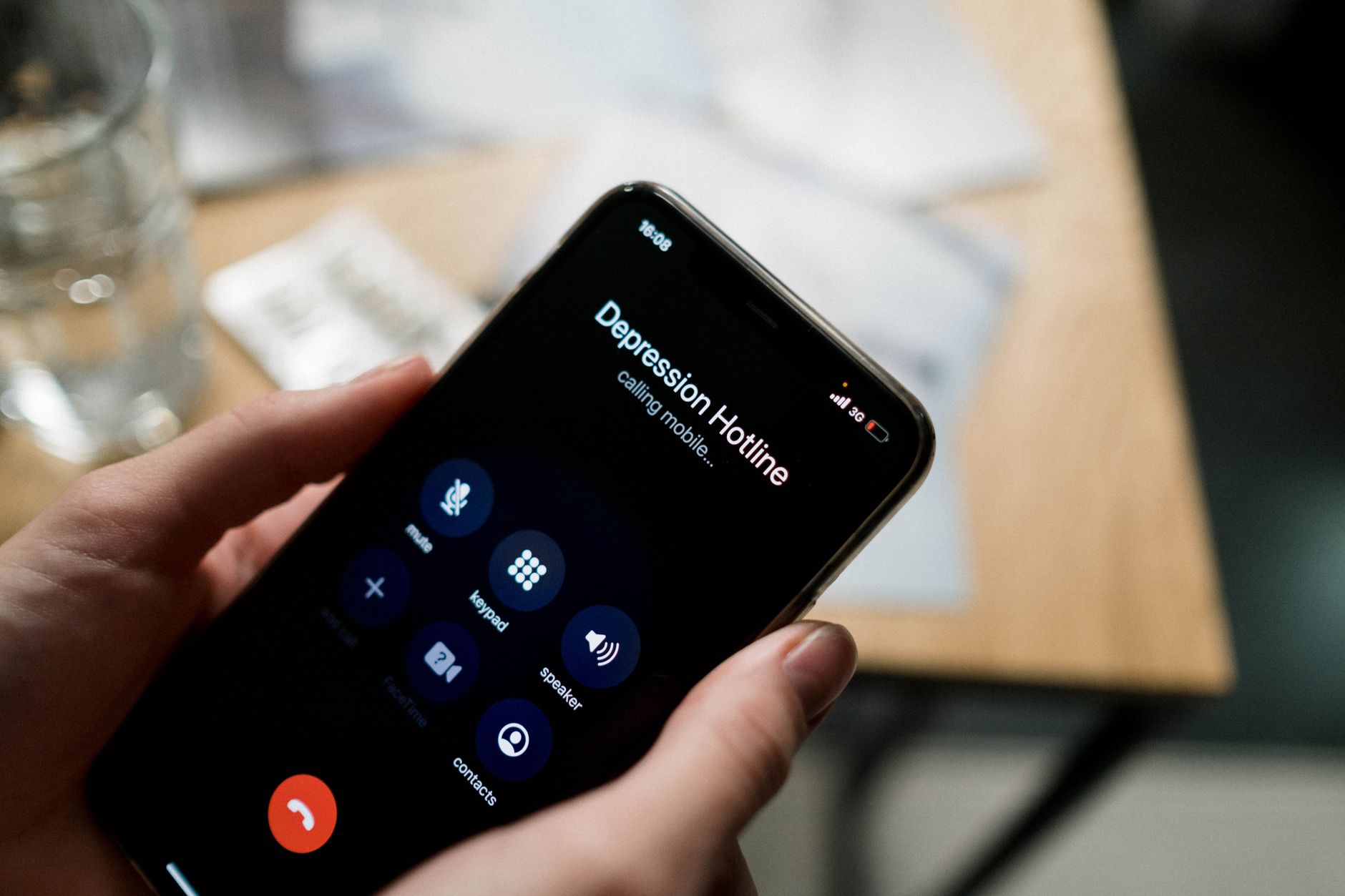
The service is accessible through a simple national helpline number (14416 or 1800-891-4416), making mental health support available to anyone with access to a telephone connection. This accessibility is crucial in a country where geographical barriers and social stigma often prevent people from seeking mental health services.
How the Service Works
When someone calls the Tele-MANAS helpline, they are initially connected to trained counsellors at state-level cells. These frontline responders provide immediate emotional support, psychological first aid, and brief counselling interventions for common mental health concerns such as stress, anxiety, and mild depression.
For cases requiring more specialized attention, callers are referred to the second tier, which consists of mental health specialists including clinical psychologists, psychiatrists, and psychiatric social workers. This structured approach ensures that individuals receive appropriate care based on the severity and complexity of their mental health needs.
The Scale of the Initiative
What sets Tele-MANAS apart and earns it the distinction of being the world's largest government-led mental health initiative is its unprecedented reach. The programme aims to establish Tele-MANAS cells in every state and union territory across India, creating a nationwide network of mental health support.
The initiative represents a massive infrastructure investment, involving:
- Establishment of dedicated call centers across all states
- Training of thousands of counsellors and mental health professionals
- Integration with existing mental health services and facilities
- Development of standardized protocols and quality assurance mechanisms
- Coordination between central and state governments
Addressing India's Mental Health Crisis
India faces significant mental health challenges, with studies suggesting that a substantial portion of the population experiences mental health conditions at some point in their lives. However, the treatment gap remains enormous, with the majority of those affected never receiving professional help.
Several factors contribute to this gap, including shortage of mental health professionals, limited access to services in rural areas, high costs of private treatment, and persistent social stigma surrounding mental illness. Tele-MANAS directly addresses many of these barriers by providing free, anonymous, and easily accessible support.
Technology Meets Healthcare
The Tele-MANAS model represents a broader trend in Indian healthcare toward leveraging technology for wider service delivery. By using telecommunications infrastructure, the programme overcomes geographical constraints that have traditionally limited mental healthcare access in remote and rural areas.
The digital approach also offers advantages in terms of anonymity, which can be particularly important for individuals who might feel uncomfortable seeking face-to-face mental health services due to social stigma. The privacy afforded by a phone call may encourage more people to take the first step toward seeking help.
Future Implications
The international recognition of Tele-MANAS could serve as a model for other countries, particularly in the developing world, looking to expand mental health services efficiently and cost-effectively. The programme demonstrates how existing telecommunications infrastructure can be repurposed to deliver essential healthcare services at scale.
As the initiative matures, its success will likely be measured not just by call volumes, but by outcomes including reduced suicide rates, improved treatment compliance, and increased awareness about mental health. The data gathered through the programme could also provide valuable insights into mental health patterns across different regions and demographics in India.
The recognition by a prestigious international medical journal validates the approach and may encourage continued investment and expansion of such services. For millions of Indians, Tele-MANAS represents hope that mental health support is just a phone call away, breaking down barriers that have long prevented people from seeking the help they need.
This article is for general informational purposes only and is not a substitute for professional mental health advice, diagnosis, or treatment. If you are experiencing a mental health crisis, please contact Tele-MANAS at 14416 or seek immediate professional help.