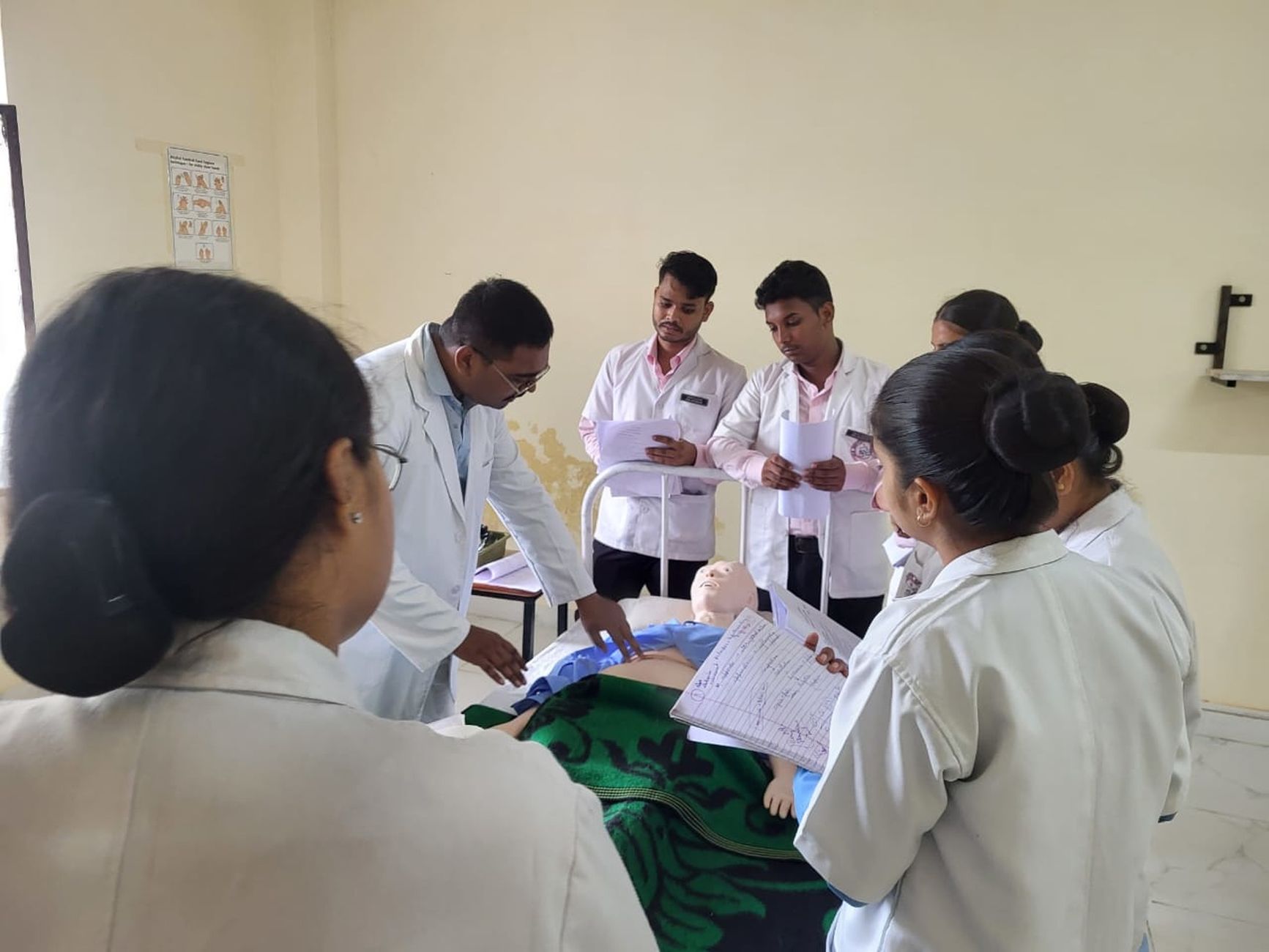
India has set an ambitious target to eliminate hepatitis as a public health threat by 2030, aligning with the World Health Organization's global goals. With an estimated 40 million people living with chronic hepatitis B and 6-12 million with hepatitis C in the country, this challenge requires coordinated efforts across prevention, diagnosis, and treatment.
Understanding the Hepatitis Burden in India
Hepatitis refers to inflammation of the liver, primarily caused by five main viruses: A, B, C, D, and E. Hepatitis B and C are particularly concerning as they can become chronic, leading to cirrhosis, liver cancer, and premature death. India accounts for a significant portion of the global hepatitis burden, with viral hepatitis causing more deaths annually than HIV, tuberculosis, or malaria in many regions.
The disease disproportionately affects marginalized communities, those with limited healthcare access, and people who remain unaware of their infection status. Most people with chronic hepatitis show no symptoms until severe liver damage occurs, making early detection critical.
Key Components of India's Elimination Strategy
The government has launched a comprehensive National Viral Hepatitis Control Program focusing on multiple fronts. The strategy encompasses universal vaccination for hepatitis B, screening high-risk populations, ensuring affordable treatment, and raising public awareness about transmission and prevention.
Screening initiatives now target pregnant women, blood donors, healthcare workers, and populations at higher risk. Free diagnostic services have been expanded across district hospitals and primary health centers, making testing more accessible to rural populations who previously had limited options.
Vaccination and Prevention Efforts
India introduced hepatitis B vaccination into its Universal Immunization Program for all infants, which has significantly reduced new infections among children. The focus has now shifted to catch-up vaccination campaigns for adolescents and adults who missed childhood immunization.
Prevention measures also include:
- Safe blood transfusion practices with mandatory screening
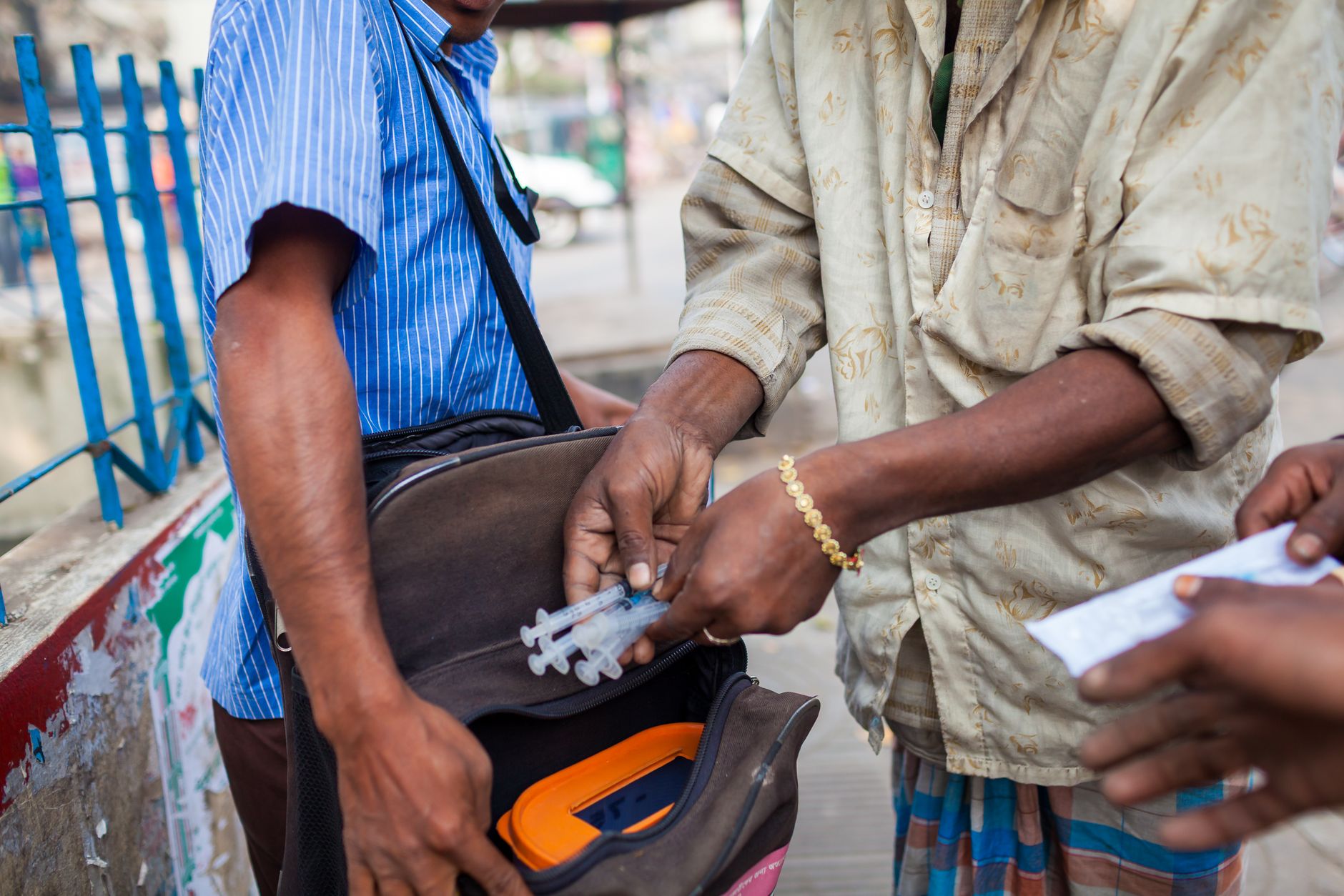
- Promotion of safe injection practices in healthcare settings
- Awareness campaigns about transmission through contaminated water (hepatitis A and E)
- Education on preventing mother-to-child transmission
- Needle exchange programs for harm reduction
Treatment Access and Affordability
One of the biggest breakthroughs has been the dramatic reduction in treatment costs. Generic versions of direct-acting antivirals for hepatitis C, which can cure the infection in 12 weeks, are now available at a fraction of earlier prices. The government has negotiated with pharmaceutical companies to ensure affordable access through public health facilities.
For hepatitis B, antiviral medications that suppress the virus are being made available at subsidized rates, though lifelong treatment is typically required. The goal is to reach 90 percent diagnosis rates and ensure 80 percent of eligible patients receive treatment.
Challenges Ahead
Despite progress, significant obstacles remain. Low awareness means many infected individuals never get tested. Stigma surrounding the disease prevents some from seeking care. Healthcare infrastructure gaps in remote areas limit service delivery, while maintaining an uninterrupted supply of medications and diagnostics across India's vast geography presents logistical challenges.
Achieving the 2030 target requires sustained political commitment, adequate funding, and integration of hepatitis services into existing health programs. Data collection and monitoring systems need strengthening to track progress accurately.
What Individuals Can Do
People can protect themselves through vaccination, particularly for hepatitis B. Avoiding risky behaviors such as sharing needles, ensuring safe drinking water, and practicing proper hygiene reduce transmission risk. Anyone with risk factors should consider getting tested, as early diagnosis enables timely treatment and prevents disease progression.
Healthcare providers play a crucial role in offering testing without stigma, providing counseling, and ensuring continuity of care for patients on long-term treatment. Community leaders and influencers can help spread awareness and dispel myths surrounding hepatitis transmission.
The Path Forward
India's hepatitis elimination plan represents a significant public health commitment requiring collaboration between government agencies, healthcare providers, civil society, and communities. While the 2030 deadline is ambitious, the combination of political will, improved treatment options, and expanded healthcare infrastructure makes it achievable. Success would prevent millions of premature deaths and reduce the burden on India's healthcare system while protecting future generations from this preventable disease.
This article is for general informational purposes only and should not replace professional medical advice. Consult qualified healthcare providers for personalized guidance on hepatitis testing, vaccination, and treatment.