India's summer months have become increasingly dangerous, with heatwaves claiming hundreds of lives annually and affecting millions more. While the country has made progress in developing heat action plans across various states and cities, critical gaps remain in how these initiatives address public health needs. The absence of robust public health logic in heat response strategies raises important questions about preparedness and protection for India's most vulnerable populations.
The Growing Heat Crisis
India has experienced some of the world's most severe heatwaves in recent years, with temperatures regularly exceeding 45 degrees Celsius in multiple states. The India Meteorological Department records show that heatwave days have increased significantly over the past two decades. Cities like Ahmedabad, Delhi, and Nagpur have become hotspots for heat-related deaths and illnesses, particularly affecting outdoor workers, elderly citizens, children, and those living in urban slums with inadequate housing.
The health impacts extend beyond immediate heat stroke deaths. Prolonged exposure to extreme heat exacerbates chronic conditions like cardiovascular disease, kidney problems, and diabetes. Pregnant women face increased risks of complications, while children's cognitive development can be affected by heat stress. Workers in sectors like construction, agriculture, and street vending bear disproportionate risks, often lacking access to shade, water, or flexible work schedules.
Current Heat Action Plans: Progress and Limitations
Following the devastating 2010 Ahmedabad heatwave that killed over 1,300 people, India became a pioneer in developing city-level heat action plans. Today, more than 130 cities and districts have implemented such plans, focusing on early warning systems, public awareness campaigns, and emergency response protocols.
These plans typically include color-coded alert systems, distribution of water and oral rehydration salts, establishment of cooling centers, and guidelines for hospitals to prepare for heat-related admissions. Many cities also conduct awareness campaigns about heat illness symptoms and prevention measures.
However, the implementation often lacks the comprehensive public health perspective needed to address the crisis effectively. Many plans focus heavily on disaster management approaches rather than preventive health strategies. They may provide emergency response mechanisms but fail to address underlying vulnerabilities or systemic issues that increase heat exposure and susceptibility.
Missing Public Health Elements
A comprehensive public health approach to heat response requires several elements often absent from current plans. First, continuous health surveillance systems are needed to track heat-related morbidity and mortality in real-time, allowing authorities to identify emerging hotspots and vulnerable populations quickly.
Second, occupational health protections remain inadequate. While some states have issued advisories for midday work breaks during peak summer, enforcement is weak. There are no standardized protocols for employers to follow, nor penalties for violations that put workers at risk.
Third, healthcare system preparedness needs strengthening. Primary health centers, particularly in rural areas, often lack trained staff to recognize and treat heat-related illnesses. Emergency departments may not have adequate cooling facilities or treatment protocols specific to heat stress.
Fourth, urban planning and housing standards rarely incorporate heat resilience considerations. Public health logic would demand that new construction projects, particularly for economically weaker sections, include heat-mitigating features like proper ventilation, reflective roofing, and access to water.
Vulnerable Populations Need Targeted Interventions
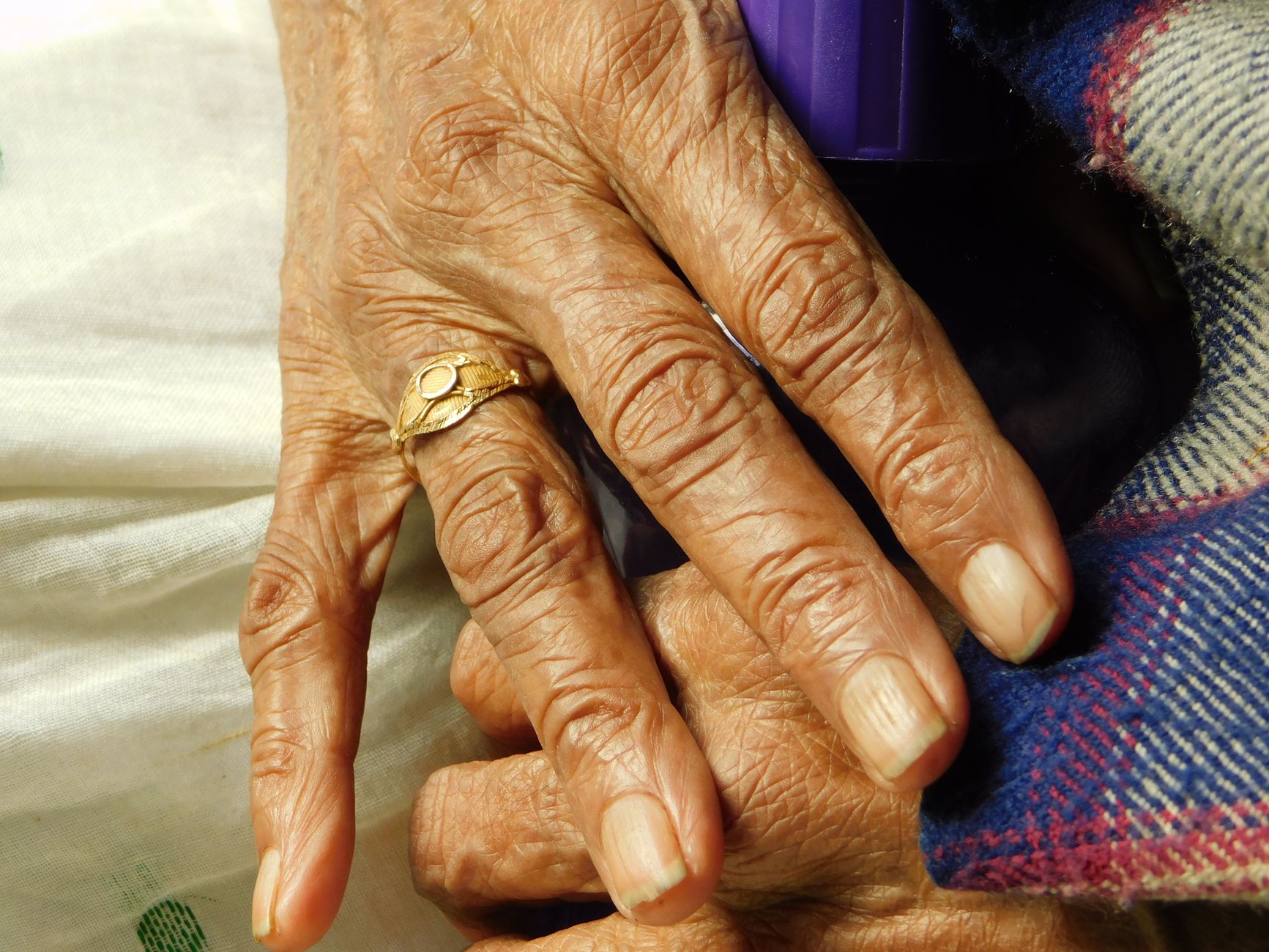
Effective heat action plans must identify and protect specific vulnerable groups through targeted interventions. Homeless populations require access to day shelters with cooling facilities. Elderly citizens living alone need check-in systems and community support networks. Outdoor workers require both regulatory protections and practical resources like portable shade structures and hydration facilities.
Urban slum residents, who often live in densely packed areas with tin roofs and limited ventilation, need both immediate cooling solutions and longer-term housing improvements. Migrants and informal sector workers who may be unaware of local heat response resources need multilingual information campaigns.
Integration with Broader Health Systems
Heat response cannot function in isolation. It must integrate with existing health infrastructure, from primary health centers to tertiary hospitals. Health workers need training to recognize early signs of heat illness and understand risk factors. Telemedicine platforms could extend heat health advice to remote areas.
Public health departments should conduct regular community health assessments to understand local vulnerabilities and adapt plans accordingly. Data collection on heat-related health outcomes should inform policy decisions and resource allocation.
The Path Forward
Strengthening India's heat response requires elevating public health considerations to the center of planning and implementation. This means moving beyond emergency response toward comprehensive prevention strategies, investing in health infrastructure and workforce capacity, enforcing occupational safety standards, and ensuring that vulnerable populations receive targeted protection.
As climate change intensifies heatwave frequency and severity, India's heat action plans must evolve from disaster management tools to comprehensive public health frameworks that protect all citizens, particularly those most at risk.
This article is for general information purposes only and does not constitute professional medical or health advice. Readers experiencing heat-related symptoms should seek immediate medical attention from qualified healthcare providers.