When Indian athletes compete on the world stage, an invisible army of medical professionals works tirelessly behind the scenes to ensure they remain in peak health. Dr. Dinshaw Pardiwala, one of India's leading sports medicine experts, recently shed light on the extensive health protocols implemented during the Glasgow Commonwealth Games, offering a fascinating glimpse into how medical teams create a protective health shield around the country's sporting contingent.
The Challenge of Managing Athlete Health at International Events
International sporting events present unique health challenges that go far beyond treating injuries. Athletes travel across time zones, encounter unfamiliar climates, consume food prepared in different environments, and face the physical stress of high-level competition. Any illness, even a common cold or flu, can derail months or years of preparation and training.
The medical team's primary objective is prevention rather than cure. This proactive approach involves comprehensive risk assessment long before athletes board their flights, continuing through their entire stay at the competition venue.
Pre-Departure Preparations
The health shield begins weeks before departure. Medical teams conduct thorough health screenings of all athletes and support staff to identify potential vulnerabilities. Vaccination status is verified and updated as necessary, with particular attention to immunizations relevant to the destination country.
Athletes receive detailed briefings on health protocols they must follow during the event. These include guidance on hydration, sleep hygiene, hand washing, and avoiding high-risk behaviors that could compromise their immune systems.
On-Ground Medical Infrastructure
Once at the competition venue, the Indian contingent operates with a self-contained medical ecosystem. This typically includes:
- Dedicated medical officers assigned to specific sports disciplines
- Physiotherapists and sports rehabilitation specialists
- Mental health professionals and sports psychologists
- Nutritionists who oversee meal planning and food safety
- A secure supply of medications and medical equipment
- Protocols for emergency evacuations if serious medical issues arise
The medical team establishes a mini-clinic within the athletes' accommodation, providing immediate access to healthcare without requiring trips to external facilities where infection risks may be higher.
Infection Control Measures
Preventing infectious diseases like influenza is paramount. The confined spaces of athlete villages and frequent close contact during training and competition create ideal conditions for disease transmission. Medical teams implement strict infection control protocols including:
- Regular sanitization of common areas used by the Indian contingent
- Mandatory hand hygiene stations at strategic locations
- Isolation protocols for any athlete or staff member showing symptoms
- Daily health monitoring and temperature checks
- Restricted interaction with individuals outside the team bubble when possible
- Air quality monitoring in accommodation and training facilities
Nutrition and Food Safety
Gastrointestinal issues are among the most common health problems at international competitions. The medical team works closely with nutritionists to ensure food safety through carefully vetted meal sources, sometimes arranging for Indian-style cooking to maintain athletes' accustomed diets and reduce digestive disruptions.
Hydration protocols are equally critical, especially when traveling from Indian climates to significantly different weather conditions in places like Scotland.
Mental Health Support
Modern sports medicine recognizes that mental well-being directly impacts physical health and athletic performance. The presence of sports psychologists helps athletes manage competition stress, homesickness, and the pressure of representing their nation, all of which can affect immune function.
Injury Management and Rapid Response
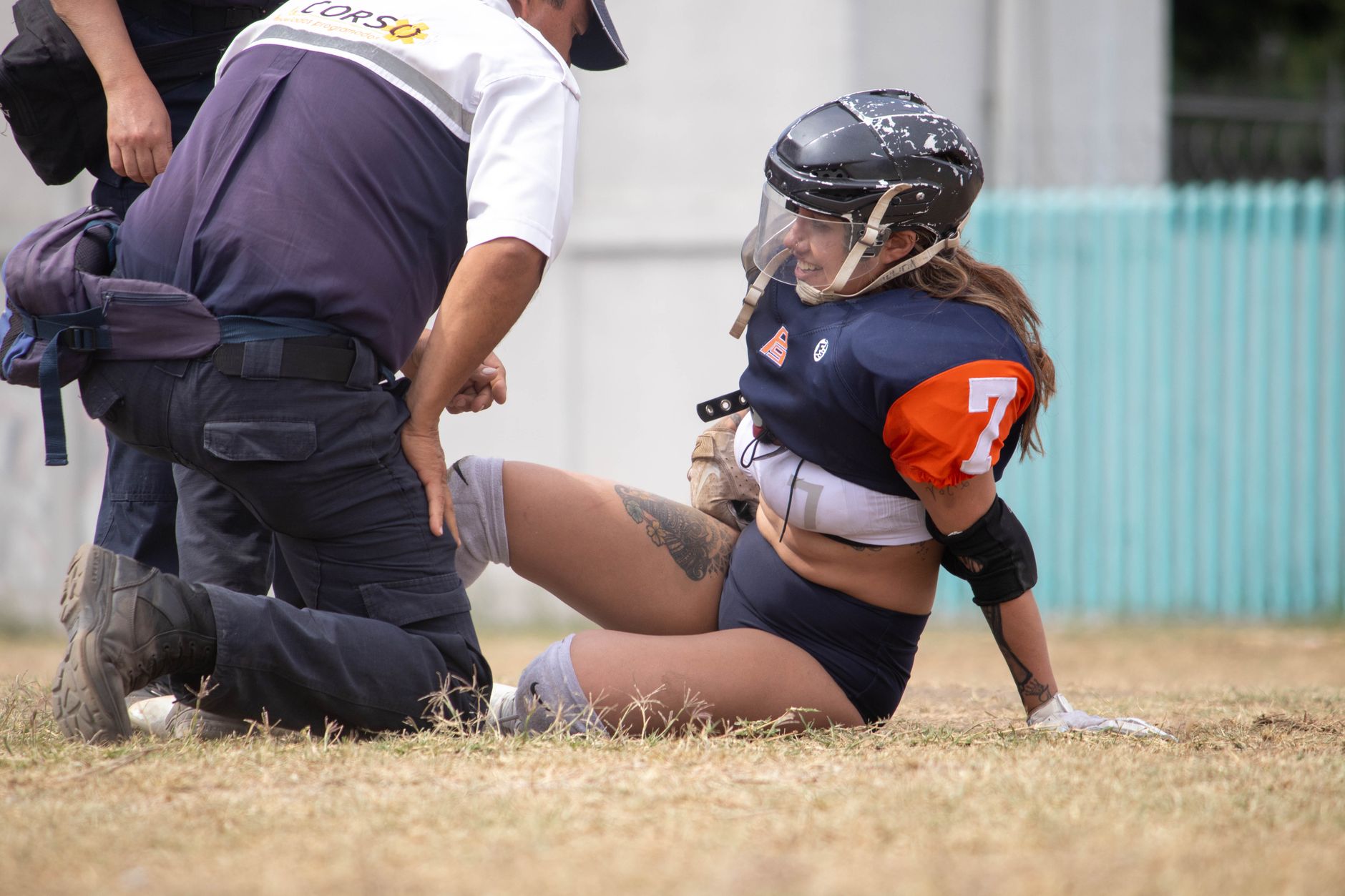
Despite prevention efforts, injuries occur in competitive sports. The medical infrastructure ensures that orthopedic specialists, physiotherapists, and rehabilitation experts can provide immediate intervention, often determining whether an athlete can continue competing or must withdraw.
Lessons for Future Competitions
The protocols developed and refined at events like the Glasgow Commonwealth Games inform India's approach to subsequent competitions, including Olympic Games and Asian Games. Each event provides learning opportunities that strengthen the medical support system for future contingents.
The "no flu on our watch" philosophy represents a gold standard in preventive sports medicine, demonstrating that behind every athletic achievement lies a foundation of meticulous health planning and medical vigilance.
This article is for general informational purposes only and does not constitute medical advice. Athletes and sports organizations should consult qualified sports medicine professionals for specific health protocols and medical guidance.