India has taken a major step forward in combating dengue fever with the approval of QDENGA, the country's first-ever dengue vaccine. This development comes as a significant public health advancement, especially given that dengue cases have been rising across the nation in recent years, with seasonal outbreaks affecting thousands annually.
What is QDENGA?
QDENGA is a live-attenuated tetravalent dengue vaccine developed by the Japanese pharmaceutical company Takeda. The vaccine has already been approved in several countries across Europe, the UK, Brazil, Argentina, Indonesia, and Thailand. Its approval in India marks a crucial addition to the country's preventive healthcare arsenal against dengue, a disease that affects millions globally each year.
The vaccine works by introducing weakened versions of all four dengue virus serotypes into the body, allowing the immune system to build protection without causing the disease itself. This is particularly important because dengue has four distinct serotypes, and infection with one type does not provide immunity against the others.
Effectiveness of the Vaccine
Clinical trials have demonstrated that QDENGA provides substantial protection against dengue fever. The vaccine has shown approximately 80 percent overall efficacy in preventing symptomatic dengue cases. More importantly, it has demonstrated around 90 percent effectiveness in preventing hospitalization due to dengue, which is crucial for reducing the burden on healthcare systems during outbreak periods.
The vaccine's protection extends across all four dengue serotypes, though effectiveness may vary slightly between different strains. Studies have shown that protection remains robust for at least four and a half years after vaccination, with ongoing research monitoring its long-term efficacy.
One significant advantage of QDENGA is that it can be administered to individuals regardless of whether they have had previous dengue infection. This is a notable improvement over earlier dengue vaccines that were recommended only for those with prior dengue exposure.
Dosage Schedule
QDENGA follows a two-dose vaccination schedule. The doses are administered three months apart, with the second dose given approximately 90 days after the first injection. Both doses are essential for optimal protection against all four dengue serotypes.
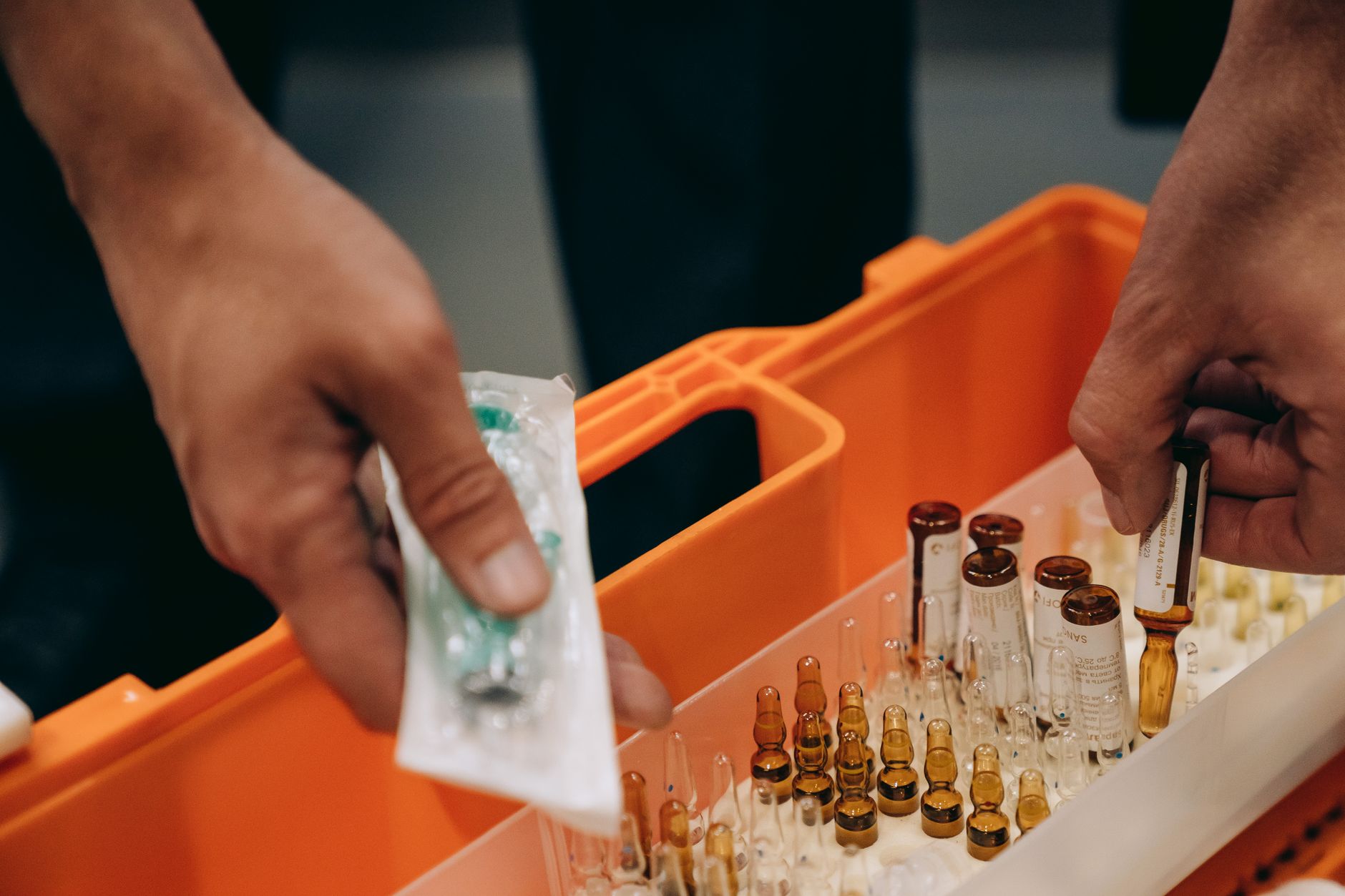
The vaccine is administered as a subcutaneous injection, typically in the upper arm. Healthcare providers will monitor patients briefly after administration to watch for any immediate reactions, as is standard practice with most vaccines.
Eligibility Criteria
QDENGA has been approved for use in individuals aged 4 to 60 years. This age range covers children, adolescents, and adults who are most at risk of dengue infection and its complications.
However, certain groups should not receive the vaccine. These include:
- Pregnant women and breastfeeding mothers
- Individuals with severely compromised immune systems
- People with known allergies to any vaccine component
- Those currently experiencing acute febrile illness
Healthcare providers will assess individual health histories before administering the vaccine to ensure it is appropriate for each recipient.
Why This Matters for India
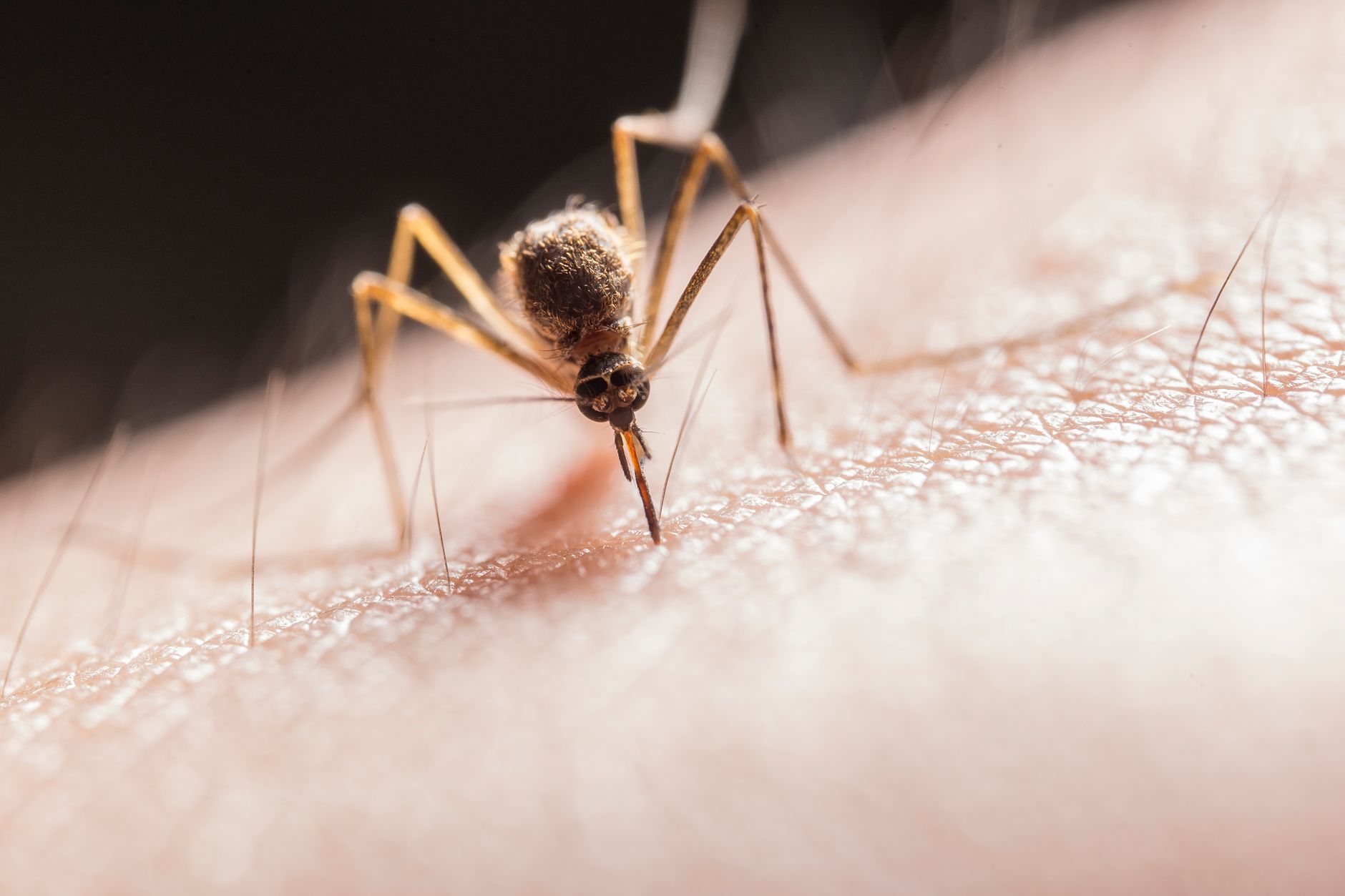
Dengue has become an increasingly serious public health concern in India, with cases reported across urban and rural areas. The disease is transmitted by Aedes mosquitoes, which breed in stagnant water and are particularly active during and after monsoon seasons.
While preventive measures like mosquito control and avoiding mosquito bites remain important, having a vaccine option adds another layer of protection. This is especially valuable for people living in dengue-endemic areas or those at higher risk of severe disease.
The vaccine is expected to be available through private healthcare facilities initially, though discussions about broader public health integration may follow as supply chains are established.
Cost and Availability
While specific pricing details for the Indian market may vary, the vaccine is expected to be available at private hospitals and vaccination centers in major cities first, with gradual expansion to other regions. Individuals interested in getting vaccinated should consult with their healthcare providers to discuss whether QDENGA is appropriate for their situation.
This article is intended for general informational purposes only and should not replace professional medical advice. Consult your healthcare provider to determine if the dengue vaccine is suitable for you based on your individual health status, medical history, and risk factors.