India is undergoing a fundamental shift in healthcare delivery, moving from fragmented paper-based records to a unified digital ecosystem that places citizens at the center of their health journey. This transformation promises to revolutionize how Indians interact with healthcare providers, manage chronic conditions, and make informed medical decisions.
The Traditional Healthcare Challenge
For decades, Indian patients have juggled physical files, prescription slips, and laboratory reports across multiple healthcare providers. Lost documents, illegible handwriting, and incomplete medical histories have been persistent obstacles to quality care. When seeking second opinions or emergency treatment, patients often struggle to provide comprehensive health information, leading to duplicate tests, medication errors, and fragmented care.
The absence of interoperability between hospitals, clinics, and diagnostic centers has meant that healthcare data remains locked in institutional silos. A patient visiting five different facilities for various ailments would have their health story scattered across five separate, incompatible systems with no unified narrative.
Digital Health Infrastructure Takes Shape
The Ayushman Bharat Digital Mission, launched nationally in 2021, represents India's ambitious blueprint for creating a comprehensive digital health ecosystem. At its core lies the concept of health ownership—the principle that individuals should control access to their health information rather than institutions serving as gatekeepers.
The Ayushman Bharat Health Account (ABHA) number functions as a unique digital health identity for every Indian citizen. This 14-digit identifier links all health records, prescriptions, diagnostic reports, and discharge summaries across participating healthcare facilities. Citizens can create their ABHA through a simple registration process using their mobile number or Aadhaar.
Empowerment Through Access and Control
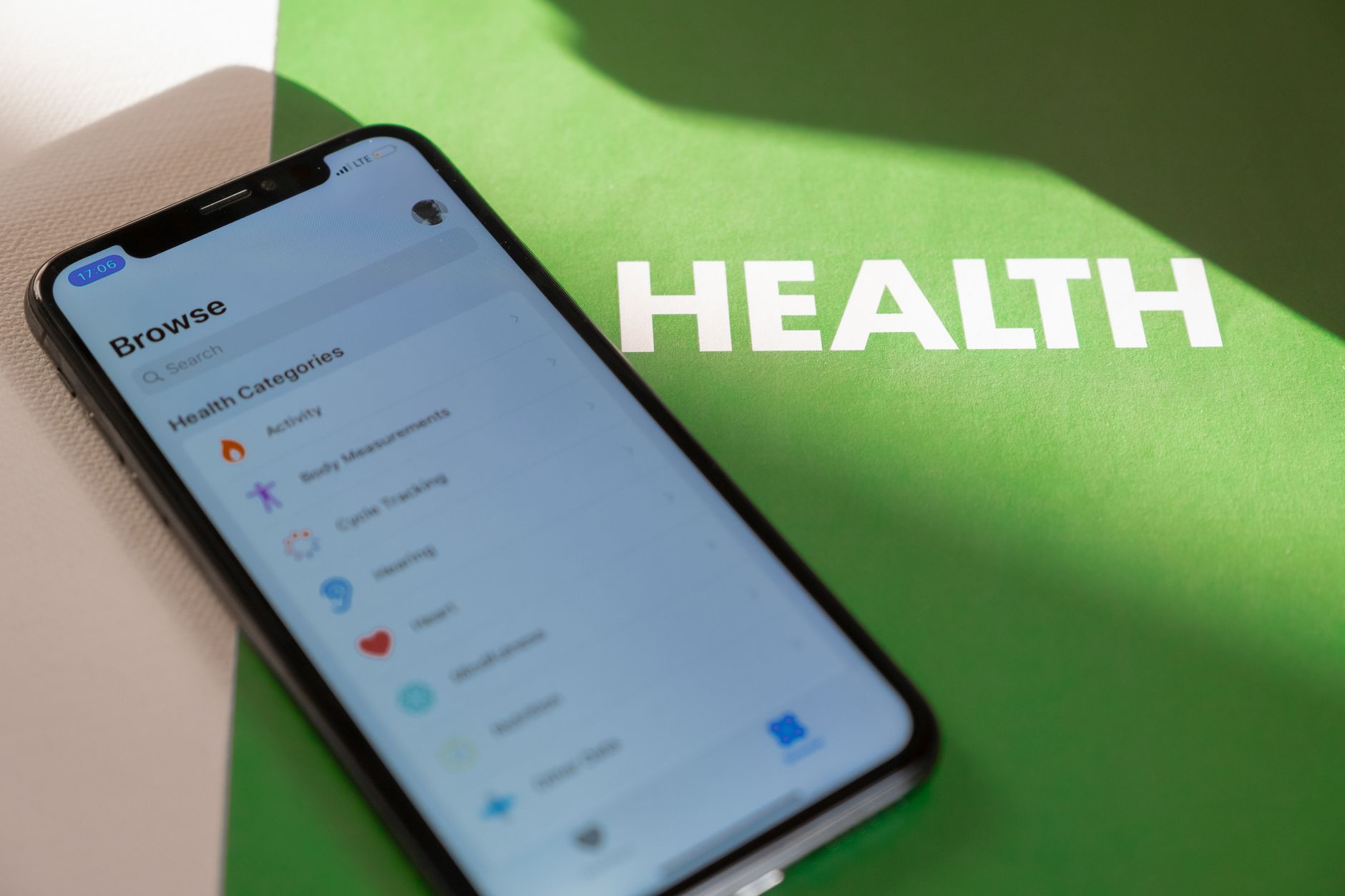
Digital health ownership fundamentally changes the patient-provider relationship. Citizens gain several critical capabilities through these digital platforms. They can access their complete medical history anytime, anywhere through secure mobile applications or web portals. This includes consultation notes, lab results, radiology images, and immunization records spanning their entire healthcare journey.
Patients exercise granular control over data sharing, deciding which healthcare providers can access specific portions of their health records and for how long. This consent-based architecture ensures privacy while enabling seamless information exchange when needed. During emergencies, authorized medical personnel can quickly access critical health information, potentially saving lives through faster, more informed decision-making.
The digital ecosystem facilitates telemedicine consultations, particularly valuable for rural populations with limited access to specialists. Doctors can review previous medical histories before appointments, making consultations more productive and reducing unnecessary repeat testing.
Building Health Literacy and Engagement
Beyond mere record storage, digital health platforms are fostering greater health awareness among citizens. Many applications provide educational content, medication reminders, and preventive health recommendations tailored to individual health profiles. This continuous engagement helps people become active participants in managing chronic conditions like diabetes and hypertension rather than passive recipients of care.
Health analytics derived from aggregated, anonymized data can identify disease patterns, predict outbreak risks, and inform public health policy. When individuals contribute their health data to research (with explicit consent), they participate in advancing medical knowledge while maintaining privacy.
Challenges on the Path Forward
Despite promising progress, several hurdles remain. Digital literacy varies significantly across India's diverse population, with elderly citizens and rural communities potentially excluded from these benefits without adequate support. Internet connectivity, smartphone penetration, and awareness about digital health tools require continued investment and outreach.
Data security concerns are paramount. Robust cybersecurity measures, clear legal frameworks around health data breaches, and transparent privacy policies are essential to maintain public trust. Healthcare providers must invest in digital infrastructure and staff training to fully participate in this ecosystem.
Standardization across platforms, ensuring interoperability between government and private health systems, and bringing smaller healthcare facilities into the digital fold require sustained coordination and investment.
The Road Ahead
India's digital health journey represents more than technological advancement—it embodies a philosophical shift toward citizen-centered healthcare. As adoption grows and the ecosystem matures, Indians can expect more personalized, efficient, and accessible healthcare services. The vision of truly owning one's health information, once aspirational, is gradually becoming reality for millions.
This article is for general informational purposes only and does not constitute medical or technical advice. Readers should consult healthcare professionals for medical guidance and follow official government guidelines when enrolling in digital health programs.