India stands at a demographic crossroads. While the nation has long been celebrated for its young population, the reality is shifting rapidly. The proportion of Indians aged 60 and above is growing faster than ever before, creating unprecedented challenges for a healthcare system designed primarily around acute hospital care rather than long-term, home-based support.
The Demographic Time Bomb
India's elderly population currently comprises approximately 140 million people, roughly 10 percent of the total population. By 2050, this figure is projected to double, reaching nearly 20 percent of all Indians. Unlike Western nations that experienced gradual aging over decades, India's demographic transition is compressed into a much shorter timeframe, leaving less room for adaptation.
This rapid aging brings with it a surge in age-related health conditions. Chronic diseases such as diabetes, hypertension, arthritis, dementia, and cardiovascular ailments are becoming the norm rather than the exception among senior citizens. These conditions require continuous management, regular monitoring, and lifestyle modifications rather than one-time hospital interventions.
Why Hospitals Aren't the Answer
The traditional Indian healthcare model revolves around hospitals and clinics. Patients travel to healthcare facilities for consultations, tests, and treatments. For elderly individuals, particularly those with mobility issues or living in rural areas, this model presents significant barriers.
Hospital visits are expensive, time-consuming, and often stressful for senior citizens. The elderly frequently require assistance with transportation, navigating complex hospital systems, and managing multiple appointments across different specialties. Additionally, hospital environments carry infection risks that are particularly dangerous for older adults with compromised immunity.
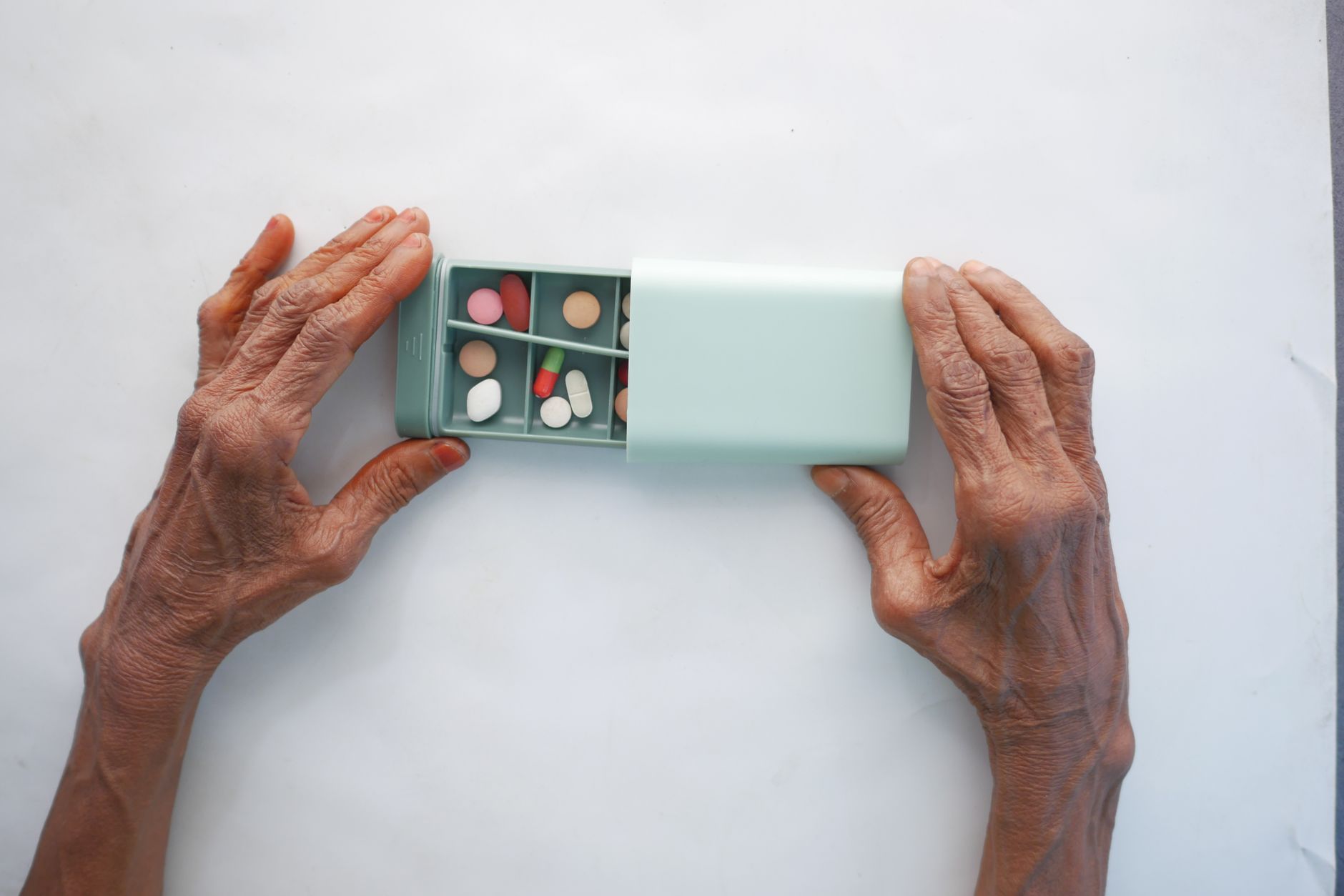
Perhaps most importantly, hospitals are ill-equipped to address the daily challenges of aging—medication management, fall prevention, nutrition counseling, mental health support, and assistance with activities of daily living. These needs require continuous, personalized care delivered in familiar, comfortable settings.
The Case for Home-Based Healthcare
Home healthcare represents a paradigm shift that aligns medical services with the realities of aging. This model brings doctors, nurses, physiotherapists, and other healthcare professionals directly to patients' residences for regular check-ups, monitoring, and treatment.
The benefits are substantial. Home-based care reduces the physical and emotional burden on elderly patients and their families. It allows healthcare providers to assess patients in their actual living environments, identifying safety hazards, dietary habits, and social factors that impact health. Studies from other countries show that home healthcare can reduce hospital readmissions, improve patient satisfaction, and deliver better health outcomes at lower costs.
For India specifically, home healthcare addresses the shortage of hospital beds and reduces overcrowding in urban medical facilities. It also makes specialized geriatric care accessible to tier-2 and tier-3 cities where such services barely exist today.
Technology as an Enabler
Digital health technologies are making home-based care increasingly viable and effective. Telemedicine platforms allow doctors to conduct virtual consultations, review symptoms, and adjust treatment plans without in-person visits. Wearable devices and home monitoring equipment can track vital signs like blood pressure, blood sugar, heart rate, and oxygen saturation, alerting healthcare providers to concerning changes.
Mobile apps help elderly patients and caregivers manage medication schedules, access health records, and connect with emergency services. Artificial intelligence can analyze health data to predict complications before they become serious, enabling preventive interventions.
Challenges to Overcome
Despite its promise, scaling home healthcare in India faces hurdles. The sector lacks adequate regulation and standardization, leading to concerns about quality and accountability. Insurance coverage for home-based services remains limited, making it unaffordable for many families. There's also a shortage of trained geriatric healthcare professionals who understand the specific needs of elderly patients.
Infrastructure gaps, particularly in rural areas, limit the reach of technology-enabled care. Many elderly Indians lack digital literacy or access to smartphones and internet connectivity necessary for telemedicine and remote monitoring.
The Path Forward
Addressing India's aging population requires coordinated action from government, private sector, and communities. Policy reforms should incentivize home healthcare through insurance inclusion, tax benefits, and quality certification programs. Medical education must incorporate geriatric training to build a workforce equipped for elderly care.
Communities can support aging in place through accessible public spaces, elderly-friendly housing, and social support networks that combat isolation—a major health risk for seniors.
This article is intended for general informational purposes only and does not constitute medical advice. Readers should consult qualified healthcare professionals for guidance on specific health concerns and treatment options appropriate to individual circumstances.