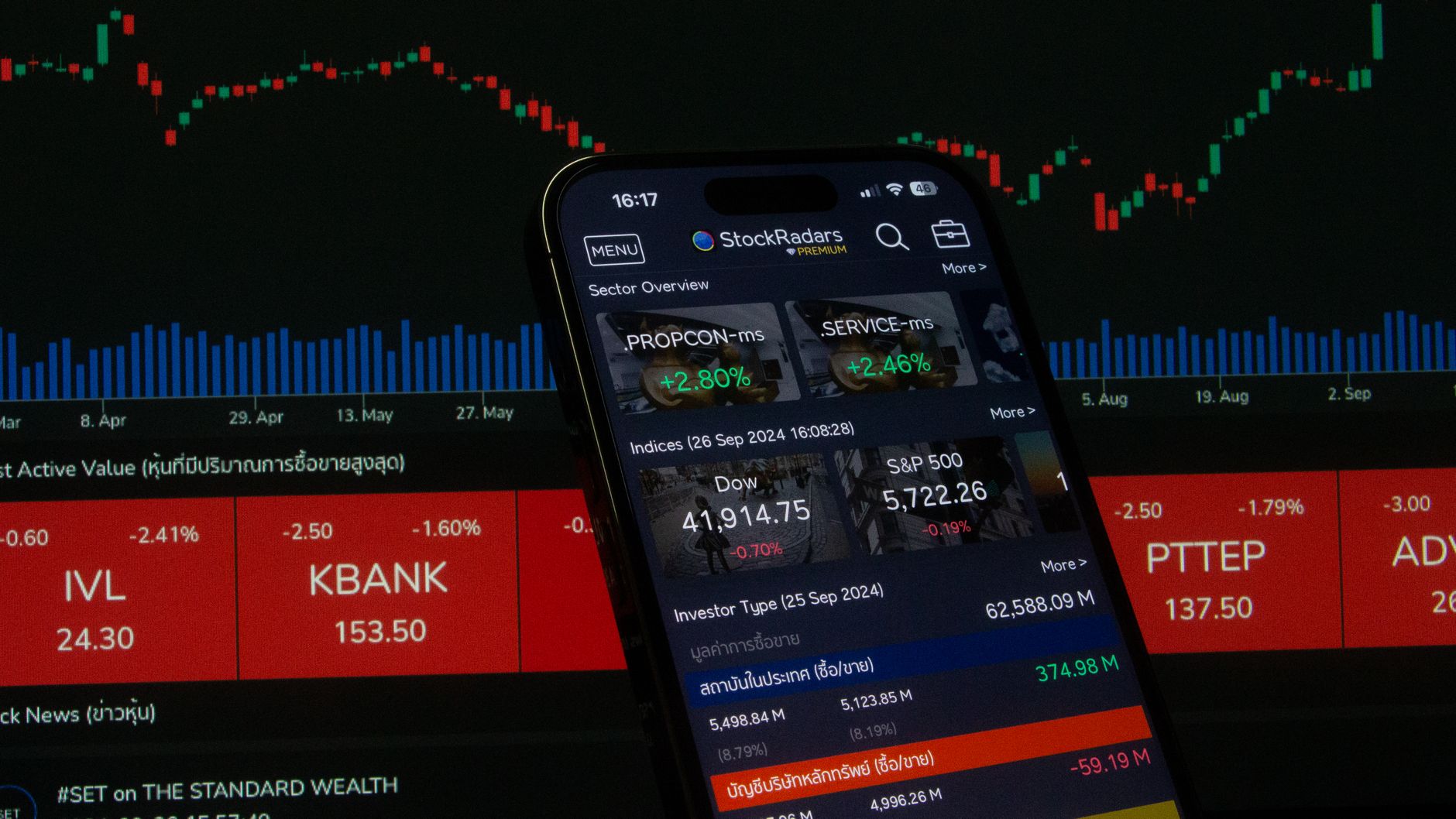
Indian stock markets opened with gains today, buoyed by positive momentum from a stronger rupee and rallying gold prices. This confluence of favorable market indicators has created a constructive environment for investors, reflecting improved sentiment across domestic and international markets.
Rupee Appreciation Provides Support
The Indian rupee's appreciation against major currencies, particularly the US dollar, has emerged as a key driver of market optimism. A stronger rupee typically benefits companies with significant import dependencies, as it reduces their input costs and improves profit margins. Sectors such as aviation, oil marketing, and technology services often see positive impacts from rupee strength.
Currency appreciation can also signal improved foreign investor confidence in the Indian economy. When global investors perceive stability and growth potential, they tend to increase their allocation to emerging markets like India, creating demand for the local currency. This influx of foreign portfolio investment further supports equity markets.
Additionally, a robust rupee helps contain imported inflation, particularly in energy prices, which constitute a significant portion of India's import bill. Lower inflation expectations can create room for accommodative monetary policy, potentially benefiting rate-sensitive sectors like banking, real estate, and automobiles.
Gold Rally Attracts Investor Interest
The surge in gold prices has added another dimension to today's positive market opening. Gold has traditionally served as a safe-haven asset during times of uncertainty, but recent price movements reflect a complex interplay of factors including global monetary policy expectations, geopolitical tensions, and currency fluctuations.
For Indian investors, gold holds cultural and financial significance. The precious metal is not only a traditional store of value but also an important component of diversified investment portfolios. Rising gold prices benefit gold mining companies, jewelry retailers, and financial institutions offering gold-backed investment products.
The positive correlation between gold prices and Indian markets, while not universal, can occur when both assets are responding to similar macroeconomic factors such as lower interest rate expectations or increased risk appetite among global investors.
Broader Market Implications
The opening gains in Indian markets reflect several underlying dynamics:
- Improved investor sentiment following positive global cues
- Technical momentum from recent trading patterns
- Anticipation of corporate earnings and economic data releases
- Seasonal patterns and portfolio rebalancing activities
Market participants will be closely watching key benchmark indices to gauge whether the initial optimism sustains through the trading session. Institutional investors, both domestic and foreign, play a crucial role in determining intraday trends and overall market direction.
Sectoral Performance to Watch
Different sectors respond variably to rupee movements and gold price changes. Import-dependent industries typically outperform when the rupee strengthens, while export-oriented sectors may face margin pressure. Investors should monitor sector rotation patterns to identify emerging opportunities.
The banking and financial services sector often shows sensitivity to currency movements, as exchange rate fluctuations affect foreign currency exposure and cross-border transactions. Similarly, commodity-linked stocks may see increased volatility based on gold and other precious metal price movements.
Investment Considerations
While positive market openings create opportunities, investors should maintain a balanced perspective. Single-day movements rarely define long-term investment outcomes, and sustainable portfolio growth requires adherence to fundamental investment principles.
Diversification across asset classes, including equities, debt, gold, and alternative investments, helps manage risk exposure. The current market environment, with its multiple positive indicators, underscores the importance of strategic asset allocation rather than tactical market timing.
Long-term investors should focus on quality stocks with strong fundamentals, sustainable competitive advantages, and proven management teams. Short-term volatility, whether positive or negative, should not derail well-considered investment plans aligned with individual financial goals and risk tolerance.
Market participants should also stay informed about evolving economic policies, global market developments, and domestic growth indicators that collectively shape investment landscapes.
This article is for general informational purposes only and should not be construed as financial advice. Investment decisions should be made after consulting with qualified financial advisors who can assess individual circumstances, risk profiles, and financial objectives.