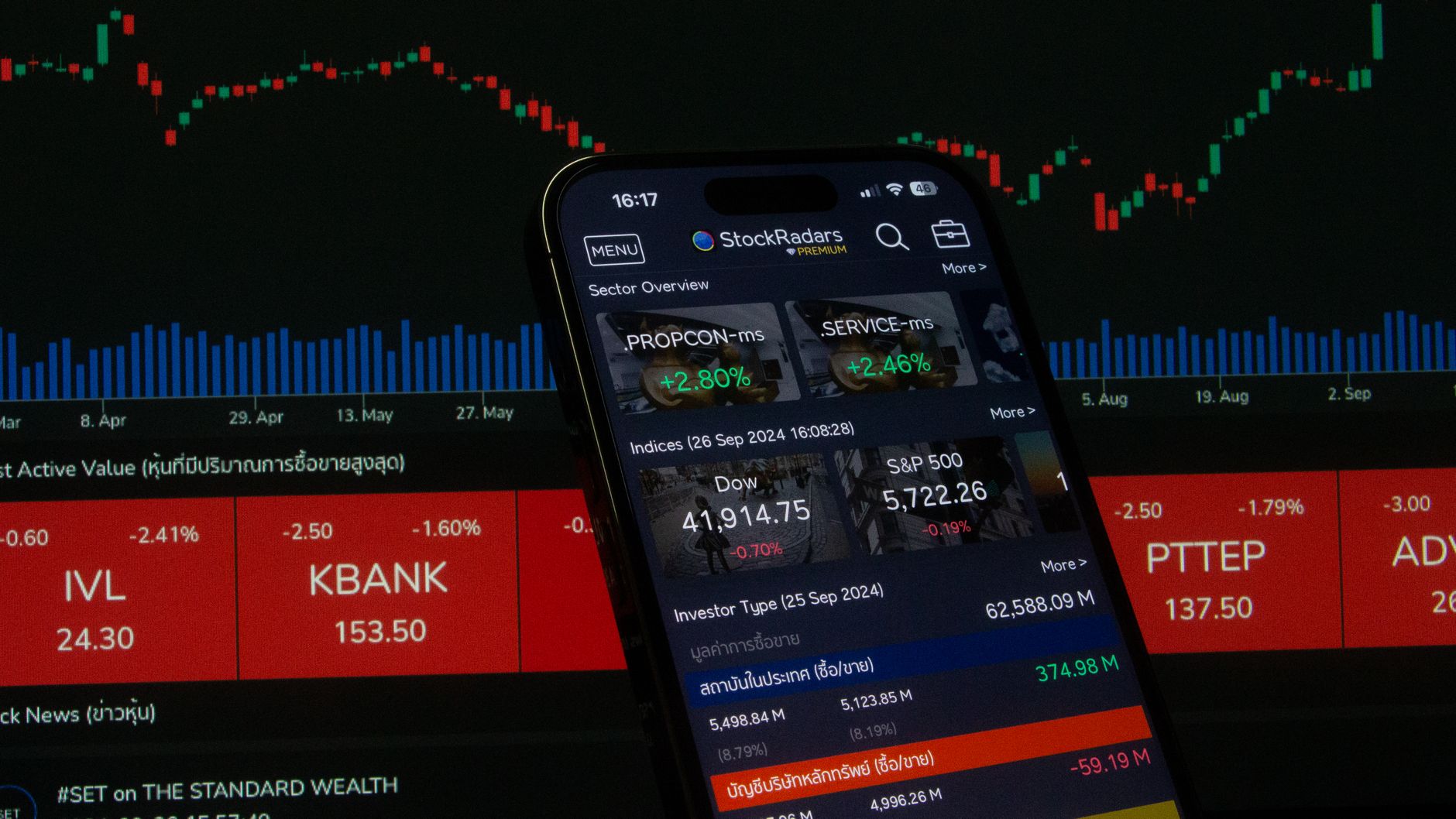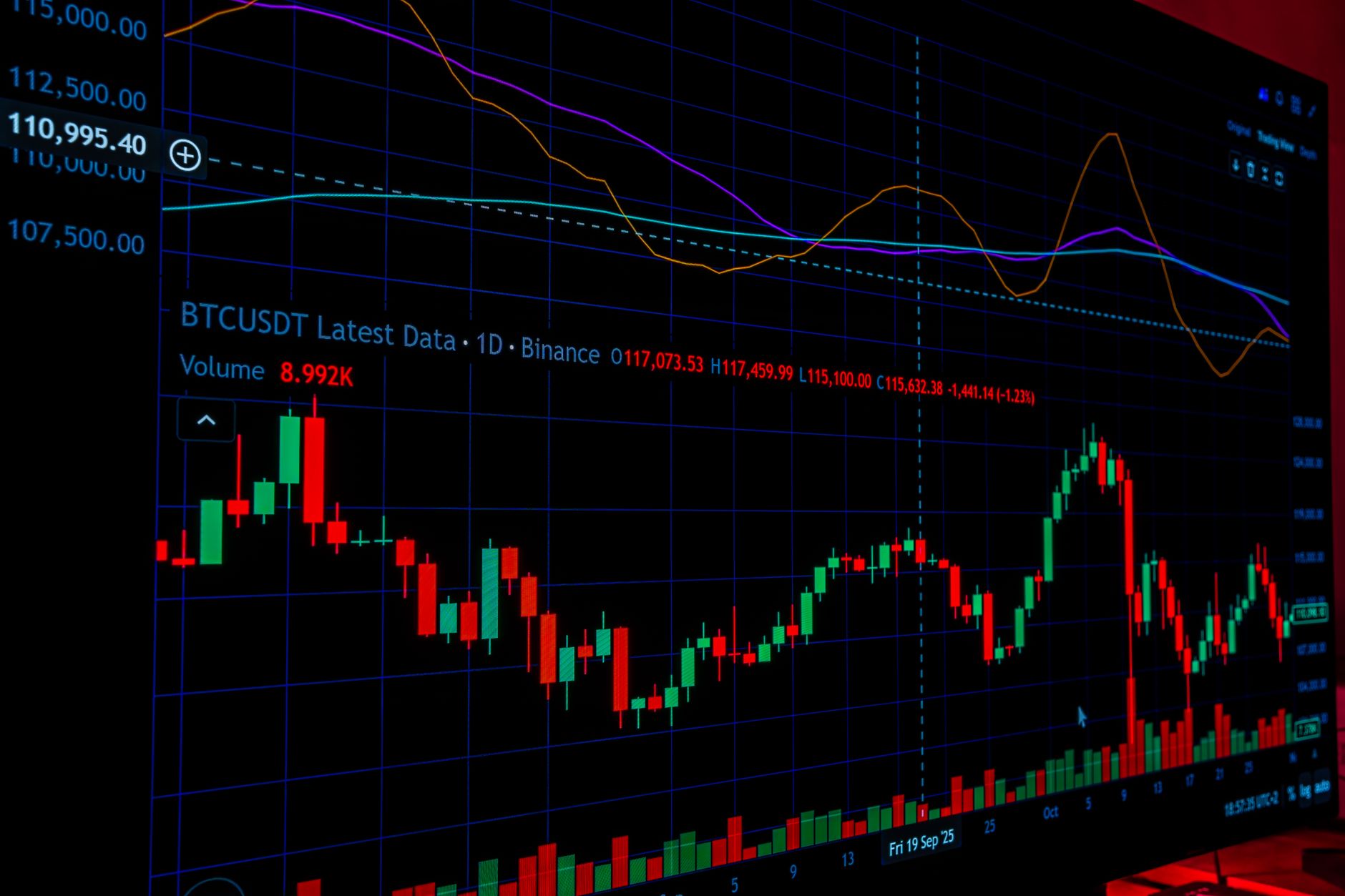
Trading volume is one of the most fundamental metrics in stock market analysis, yet many retail investors overlook its significance when making investment decisions. High volume stocks represent shares that witness substantial trading activity, indicating strong investor interest and participation. Understanding what drives trading volume and how to interpret it can significantly enhance your investment strategy.
What Are High Volume Stocks
High volume stocks are equity shares that experience a large number of shares being bought and sold during a given trading period, typically measured daily. In the Indian stock market, volume is expressed as the total number of shares traded on exchanges like the NSE and BSE. When analysts compile lists of high volume stocks, they're identifying securities with exceptional liquidity compared to their peers or the broader market average.
Volume serves as a barometer of market sentiment. When a stock consistently records high trading volumes, it indicates that numerous market participants are actively taking positions, creating a dynamic environment where buyers and sellers can easily execute transactions without significantly impacting the price.
Why Trading Volume Matters
Liquidity stands as the primary advantage of high volume stocks. For investors, liquidity means the ability to enter or exit positions quickly at prevailing market prices. Low volume stocks, conversely, may experience wide bid-ask spreads and difficulty in execution, potentially forcing investors to accept unfavorable prices or wait extended periods to complete transactions.
High volume also contributes to more efficient price discovery. When many participants trade a stock, the collective wisdom of the market tends to reflect available information more accurately in the share price. This reduces the likelihood of severe mispricing and helps ensure that stock valuations remain reasonably aligned with fundamentals and market sentiment.
Additionally, institutional investors typically favor high volume stocks because they can build or liquidate substantial positions without causing dramatic price movements. This institutional participation often brings additional research coverage and information flow to these securities.
Characteristics of High Volume Stocks in India
Several factors commonly contribute to high trading volumes in Indian equities. Large-cap stocks from the Nifty 50 and Sensex indices frequently dominate high volume lists due to their established market presence, extensive investor recognition, and inclusion in numerous portfolios and index funds.
Stocks experiencing corporate actions such as quarterly results announcements, mergers and acquisitions, stock splits, or dividend declarations often witness temporary volume spikes as investors reassess valuations and adjust positions accordingly.
Sectoral trends also influence volume patterns. When particular industries capture market attention due to policy changes, technological disruptions, or economic shifts, constituent stocks may experience elevated trading activity. Recent examples include renewable energy companies during green policy announcements or pharmaceutical stocks during health crises.
Volume Analysis Techniques
Sophisticated investors use volume analysis alongside price movements to gain deeper market insights. Volume confirmation occurs when price increases accompany rising volume, suggesting genuine buying interest and potentially sustainable upward momentum. Conversely, price advances on declining volume may indicate weakening conviction and potential reversals.
Breakout validation represents another application. When stocks break through established resistance levels with substantially higher volume, technical analysts consider the move more reliable than low-volume breakouts, which may prove false.
Comparative volume analysis involves measuring current volume against historical averages. Many trading platforms display this as "relative volume," helping investors identify unusual activity that might precede significant price movements.
Considerations and Limitations
While high volume stocks offer advantages, investors should recognize that volume alone doesn't indicate quality or investment merit. A stock may trade heavily due to negative developments, panic selling, or speculative frenzy rather than sound fundamentals.
High frequency trading and algorithmic strategies contribute significantly to volume in modern markets, sometimes creating activity that doesn't reflect genuine investor conviction. This technological dimension means volume patterns may occasionally appear distorted or difficult to interpret using traditional analytical frameworks.
Furthermore, high volume stocks aren't automatically superior investments. A fundamentally weak company with high trading volume remains a poor investment choice compared to a quality business with moderate liquidity. Volume analysis should complement, not replace, fundamental research into business quality, management competence, competitive positioning, and valuation metrics.
Integrating Volume into Investment Strategy
For long-term investors, high volume stocks provide the flexibility to adjust portfolio allocations efficiently as circumstances evolve. This liquidity premium proves particularly valuable during market volatility when swift repositioning becomes necessary.
Short-term traders rely heavily on volume analysis to identify momentum opportunities and validate technical patterns. However, even buy-and-hold investors benefit from understanding volume dynamics when timing entry and exit points within their longer investment horizons.
This article provides general information for educational purposes only and should not be construed as investment advice. Stock market investments carry risk, and past volume patterns do not guarantee future performance. Investors should conduct thorough research and consider consulting qualified financial advisors before making investment decisions.