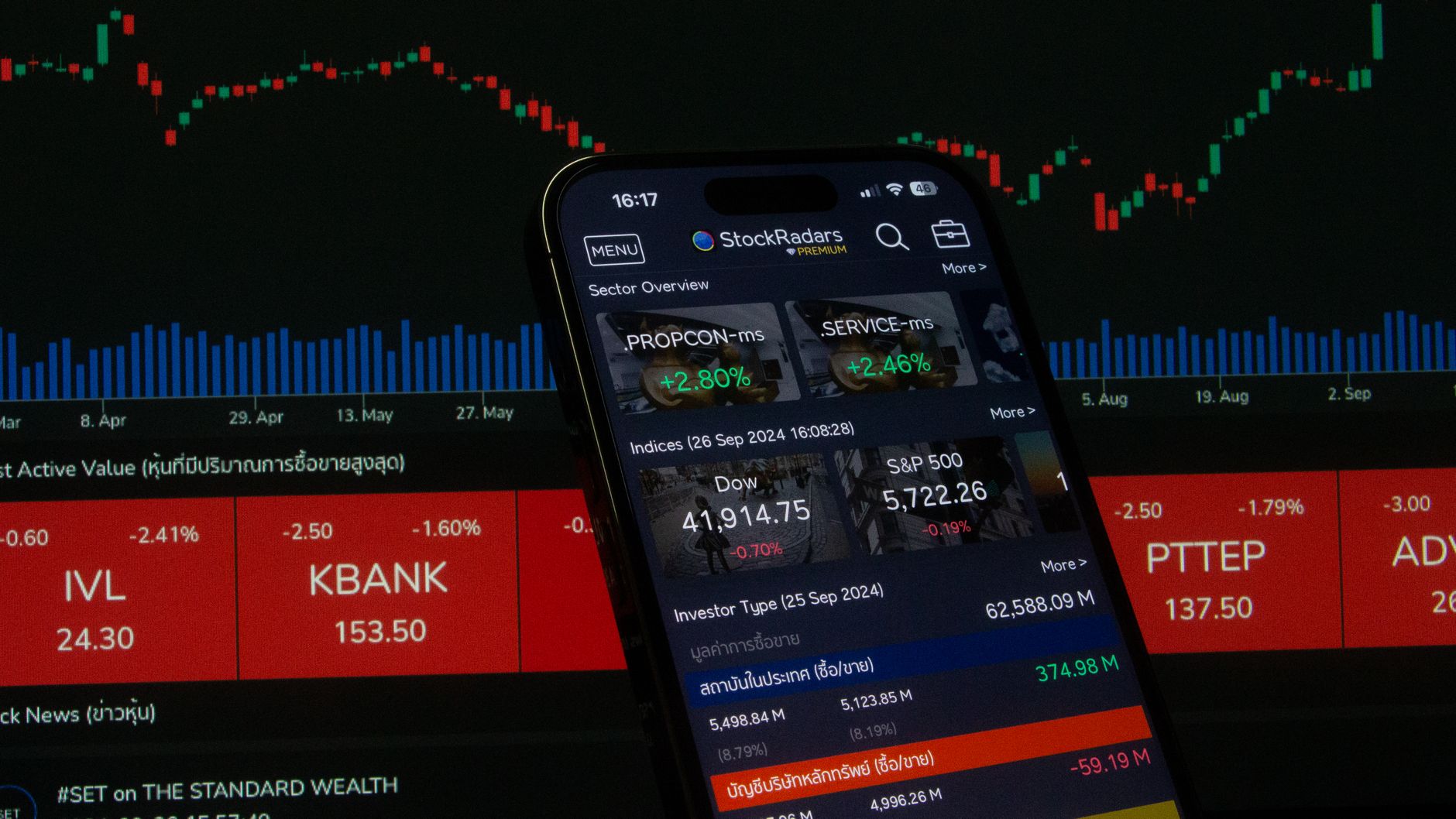
Investment scams have become increasingly sophisticated in recent years, with fraudsters using technology and psychological manipulation to convince victims to part with their hard-earned money. The recent case of an exporter losing ₹24 lakh to a stock market investment scam serves as a stark reminder of the growing threat facing Indian investors.
How Stock Market Investment Scams Work
Stock market scams typically follow a well-established pattern designed to build trust before exploiting victims. Fraudsters often initiate contact through social media platforms, messaging apps like WhatsApp or Telegram, or even through unsolicited phone calls. They present themselves as financial experts, stock market analysts, or representatives of legitimate investment firms.
The scammers usually offer guaranteed returns or insider information about stocks that are supposedly about to surge in value. They may create fake websites that mimic legitimate trading platforms, complete with professional designs and fabricated testimonials. Some even provide initial small returns to build credibility before requesting larger investments.
Common Tactics Used by Investment Fraudsters
- Creating urgency by claiming limited-time opportunities or exclusive deals
- Using fake celebrity endorsements or testimonials from satisfied investors
- Displaying fabricated charts and data showing impressive past returns
- Requesting investments through unconventional payment methods like cryptocurrency or wire transfers
- Gradually increasing investment amounts after initial small successes
- Preventing withdrawals by citing technical issues or additional fee requirements
Red Flags Every Investor Should Know
Several warning signs can help identify potential investment scams before money changes hands. Guaranteed returns are the biggest red flag, as legitimate investments always carry risk. No credible financial professional can promise specific returns, especially unusually high ones.
Pressure tactics represent another major warning sign. Legitimate investment opportunities do not require immediate decisions, and reputable advisors encourage clients to take time for research and consideration. Scammers, however, create artificial urgency to prevent victims from thinking critically or seeking second opinions.
Unregistered entities pose significant risks. All investment advisors and stock brokers in India must register with the Securities and Exchange Board of India (SEBI). Investors should verify registration status before engaging with any financial service provider.
Protecting Yourself from Investment Fraud
Due diligence is the first line of defense against investment scams. Always verify the credentials of anyone offering investment advice by checking SEBI's official website for registered intermediaries. Research the company thoroughly using multiple independent sources rather than relying solely on information provided by the advisor.
Never share personal financial information, banking credentials, or one-time passwords with anyone claiming to help with investments. Legitimate financial institutions and advisors never request such sensitive information through phone calls or messaging apps.
Be skeptical of unsolicited investment offers, regardless of how they arrive. Whether through social media, email, phone calls, or even personal referrals, any unexpected investment opportunity deserves careful scrutiny.
Steps to Take If You Suspect Fraud
If you believe you have encountered an investment scam or have already fallen victim, immediate action is crucial. Report the incident to your local police cyber crime cell and file a complaint on the National Cyber Crime Reporting Portal. Contact your bank immediately to freeze accounts or reverse transactions if possible.
File a complaint with SEBI if the scam involves securities or stock market investments. The regulator maintains mechanisms for investor protection and can investigate fraudulent activities. Additionally, inform the Reserve Bank of India if the scam involves banking products or services.
Document all communications with the fraudsters, including messages, emails, phone numbers, and transaction details. This evidence becomes crucial for investigation and potential recovery efforts.
Building Financial Literacy
The best defense against investment scams is education. Take time to understand basic investment principles, including the relationship between risk and return. Recognize that building wealth typically requires patience and that shortcuts promising quick riches usually lead to losses.
Consider consulting with SEBI-registered investment advisors for legitimate financial planning. While they charge fees for their services, these professionals are bound by regulations and fiduciary duties that protect investor interests.
Disclaimer
This article is for general informational purposes only and does not constitute financial or legal advice. Investment decisions should be made after thorough research and consultation with qualified, registered financial professionals. Always verify the credentials of financial advisors and report suspected fraud to appropriate authorities immediately.