The Indian government continues to prioritize the development of the medical device industry, with Union Minister J. P. Nadda scheduled to address the India Medical Device 2026 event. This initiative reflects the administration's focus on achieving self-reliance in healthcare technology and establishing India as a global manufacturing hub for medical equipment.
The Growing Medical Device Market in India
India's medical device industry has witnessed remarkable growth over the past decade, currently valued at approximately USD 11 billion. The sector encompasses a wide range of products, from basic diagnostic equipment to sophisticated imaging systems and implantable devices. Despite this growth, India still imports nearly 80 percent of its medical devices, creating both a challenge and an opportunity for domestic manufacturers.
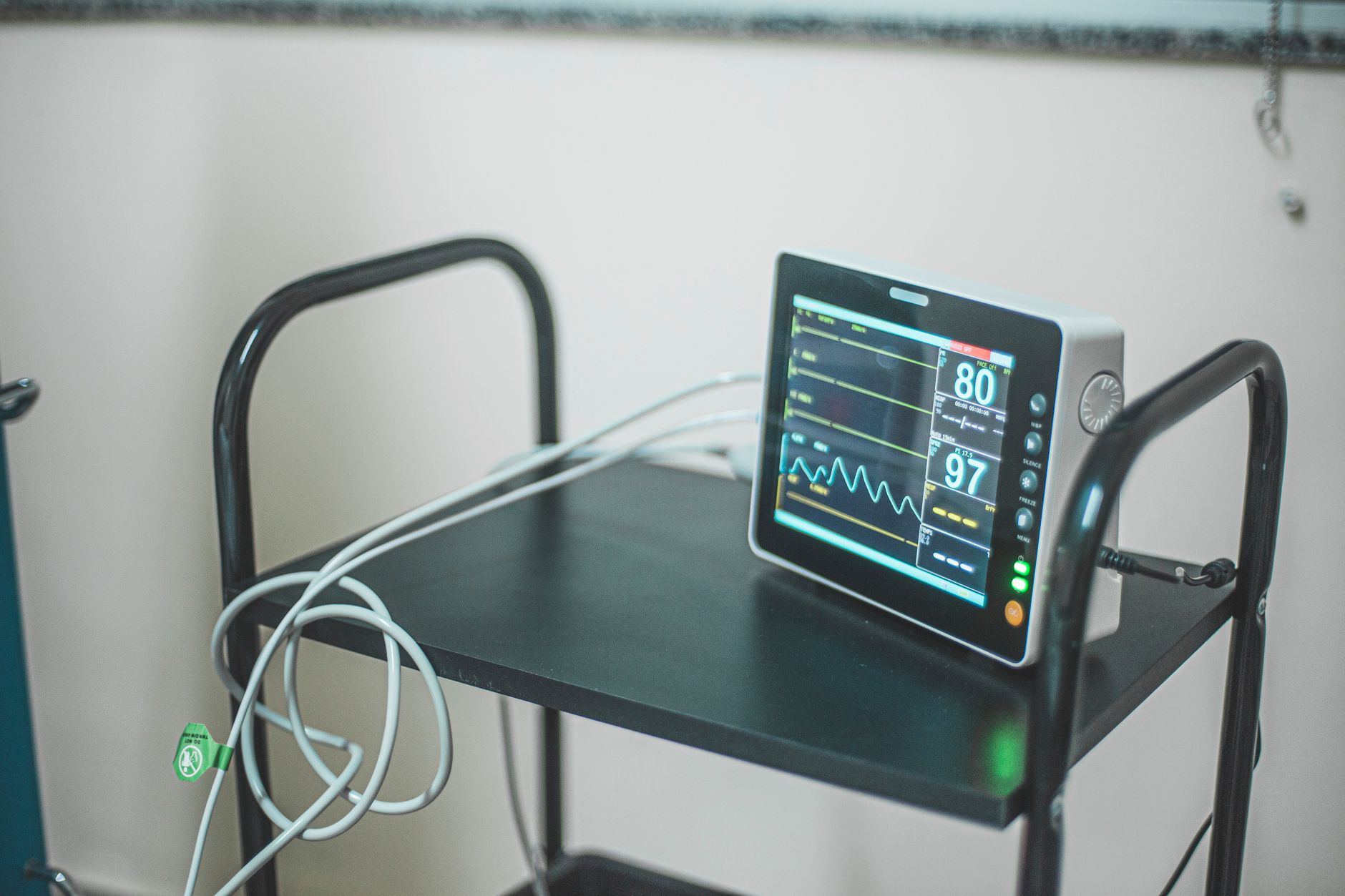
The medical device sector serves a crucial role in India's healthcare ecosystem, supporting diagnosis, treatment, and patient monitoring across the country's vast network of hospitals, clinics, and healthcare facilities. As healthcare access expands and the population ages, demand for medical devices continues to surge.
Government Initiatives to Boost Domestic Manufacturing
The government has launched several programs to strengthen the medical device manufacturing ecosystem in India. The Production Linked Incentive scheme for medical devices, introduced in 2020, provides financial incentives to companies manufacturing targeted medical devices domestically. This initiative aims to reduce import dependence while creating employment opportunities in the sector.
Medical device parks are being established in multiple states to provide world-class infrastructure for manufacturers. These specialized zones offer plug-and-play facilities, reducing the time and investment required for companies to begin production. States like Uttar Pradesh, Himachal Pradesh, Tamil Nadu, and Madhya Pradesh are developing such parks with central government support.
Key Focus Areas for Industry Development
- Regulatory harmonization to align Indian standards with international benchmarks while maintaining safety and efficacy requirements
- Research and development support through funding and collaboration between industry and academic institutions
- Skill development programs to create a trained workforce capable of supporting advanced manufacturing
- Import substitution strategies targeting high-value devices currently sourced from overseas
- Export promotion to position India as a competitive player in global markets
Challenges Facing the Medical Device Sector
Despite government support, the industry faces several obstacles. The high cost of research and development, lengthy regulatory approval processes, and competition from established international manufacturers present significant hurdles. Additionally, many Indian manufacturers focus on low-margin, basic devices rather than high-value, technologically advanced products.
The fragmented nature of the industry, with numerous small and medium enterprises operating alongside a few large players, makes it difficult to achieve economies of scale. Quality standards and certification requirements, while necessary for patient safety, can be challenging for smaller manufacturers to navigate.
Future Opportunities and Vision
The India Medical Device 2026 event represents an opportunity for stakeholders to align on strategies for accelerating industry growth. With the government targeting a market size of USD 50 billion by 2030, substantial investments in manufacturing capacity, technology transfer, and innovation will be essential.
Digital health technologies, including telemedicine devices, wearable health monitors, and artificial intelligence-enabled diagnostic tools, present particularly promising growth areas. India's strength in information technology and software development positions the country well to lead in these emerging segments.
Impact on Healthcare Accessibility
A robust domestic medical device industry can significantly improve healthcare accessibility across India. Local manufacturing reduces costs, making advanced medical equipment more affordable for smaller hospitals and rural healthcare facilities. Shorter supply chains ensure better availability during emergencies, as demonstrated during the COVID-19 pandemic when demand for ventilators, oxygen concentrators, and diagnostic equipment surged.
Indigenous innovation tailored to Indian healthcare challenges can also deliver more appropriate solutions than imported devices designed for different healthcare systems and patient populations.
The medical device sector's development aligns with broader national goals of economic growth, technological advancement, and improved public health outcomes. Events like India Medical Device 2026 provide platforms for dialogue between government, industry, healthcare providers, and investors to accelerate this transformation.
This article is for general information purposes only and does not constitute professional medical or investment advice. Readers should conduct their own research and consult appropriate professionals before making healthcare or business decisions.