India's healthcare landscape is undergoing a transformative shift as the government and private sector collaborate to expand access through community-based interventions and digital health solutions. This multi-pronged approach aims to address longstanding challenges of healthcare inequality, particularly in rural and remote regions where access to medical facilities remains limited.
The Community Health Model
Community health workers have become the backbone of India's grassroots healthcare delivery system. The Accredited Social Health Activist (ASHA) program, which deploys trained workers in villages across the country, has proven instrumental in connecting underserved populations with essential health services. These workers provide basic medical care, health education, maternal and child health support, and serve as vital links between communities and formal healthcare institutions.
The success of this model lies in its cultural sensitivity and accessibility. Community health workers typically come from the same regions they serve, speaking local languages and understanding cultural nuances that can affect health-seeking behavior. This familiarity helps overcome barriers of trust and communication that often prevent people from accessing healthcare services.
Digital Health Revolution
India's digital health infrastructure has expanded rapidly in recent years, driven by increasing smartphone penetration and government initiatives. The Ayushman Bharat Digital Mission represents one of the most ambitious efforts to create a comprehensive digital health ecosystem. This initiative aims to provide every Indian citizen with a unique health ID, enabling seamless access to medical records and services across different healthcare providers.
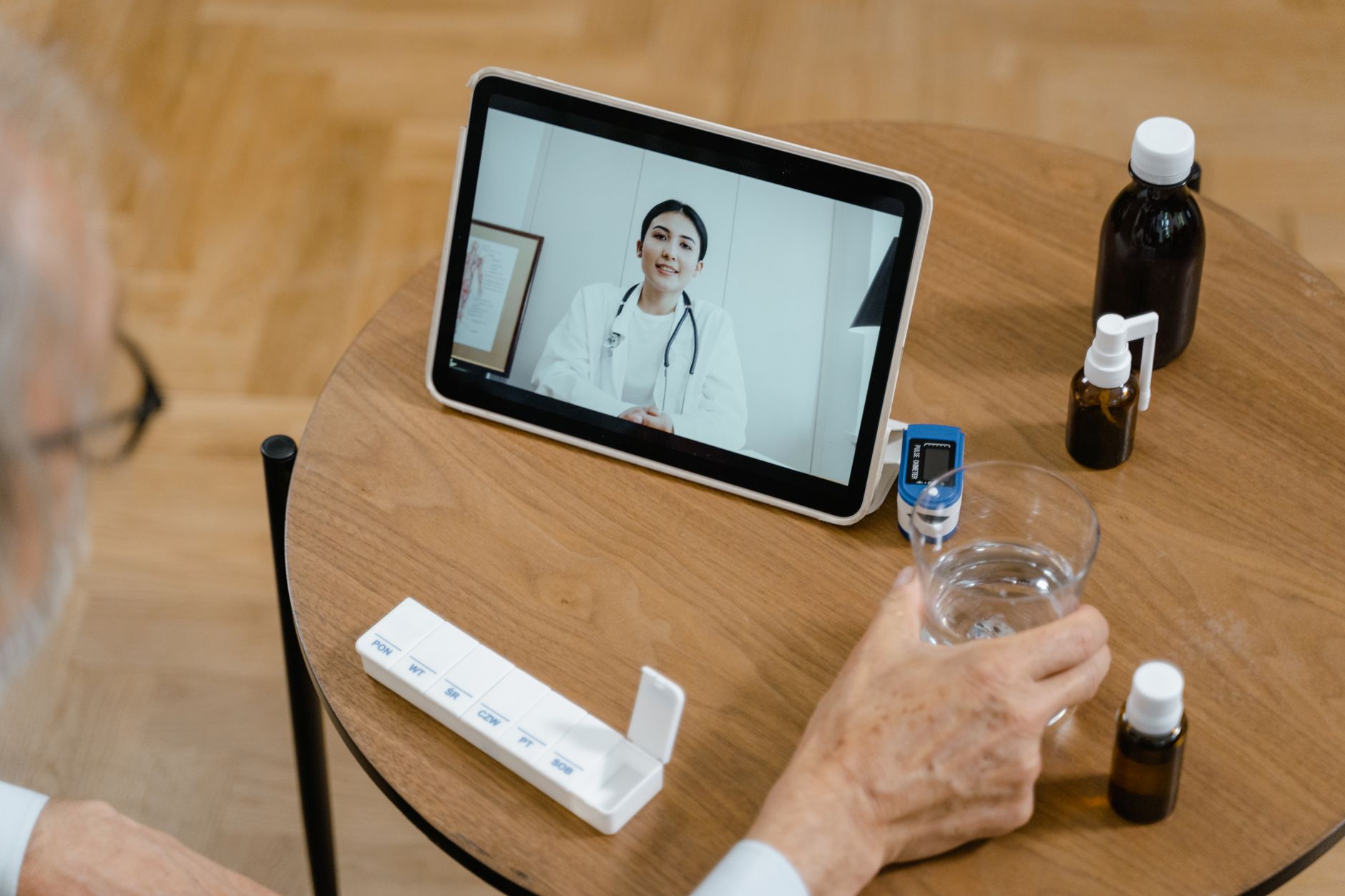
Telemedicine platforms have emerged as game-changers, particularly following the COVID-19 pandemic. These platforms connect patients in remote areas with qualified doctors through video consultations, eliminating the need for expensive and time-consuming travel to urban centers. The government's eSanjeevani platform alone has facilitated millions of teleconsultations, demonstrating the immense demand for such services.
Addressing Rural-Urban Healthcare Divide
The disparity in healthcare access between urban and rural India has long been a critical concern. While cities boast advanced medical facilities and specialist doctors, rural areas often struggle with basic infrastructure and healthcare personnel shortages. The integrated approach of community health services combined with digital solutions is helping narrow this gap.
Mobile health units equipped with diagnostic tools and medicines now reach remote villages on scheduled routes. These units complement telemedicine services by providing on-ground medical examinations while connecting patients with specialists through digital platforms when necessary.
Technology-Enabled Monitoring and Prevention
Digital health initiatives extend beyond consultations to include preventive care and health monitoring. Mobile applications now offer features for tracking chronic conditions like diabetes and hypertension, medication reminders, and health tips in regional languages. These tools empower patients to manage their health proactively rather than seeking help only during medical emergencies.
Government health departments are also using data analytics to identify disease hotspots, track immunization coverage, and predict potential health crises. This data-driven approach enables more efficient resource allocation and targeted interventions.
Challenges and the Path Forward
Despite significant progress, several challenges remain. Internet connectivity issues in remote areas can hamper digital health services. Additionally, digital literacy varies widely across age groups and regions, requiring continued education and simplified interfaces. The quality assurance of telemedicine consultations and ensuring patient data privacy are ongoing concerns that require robust regulatory frameworks.
Infrastructure development continues to be crucial. While digital solutions can bridge many gaps, certain medical conditions require physical examination and in-person care. Therefore, strengthening primary health centers and district hospitals remains essential alongside digital expansion.
The pharmaceutical supply chain also needs attention to ensure that remote areas have adequate access to medicines prescribed through teleconsultations or community health workers.
Integration for Holistic Care
The most promising aspect of India's healthcare transformation is the integration of traditional community health approaches with modern digital solutions. This hybrid model combines the personal touch and cultural understanding of community workers with the reach and efficiency of technology. As these systems mature and interlink more seamlessly, millions of previously underserved Indians stand to benefit from improved healthcare access.
This article is for general information purposes only and does not constitute medical advice. Readers should consult qualified healthcare professionals for specific medical concerns or conditions.