India has taken a major step forward in its fight against dengue fever with the approval of Qdenga, developed by Japanese pharmaceutical company Takeda. The Drug Controller General of India (DCGI) has cleared this vaccine for use in people between the ages of 4 and 60, making it the first dengue vaccine to receive regulatory approval in the country.
Understanding Dengue in India
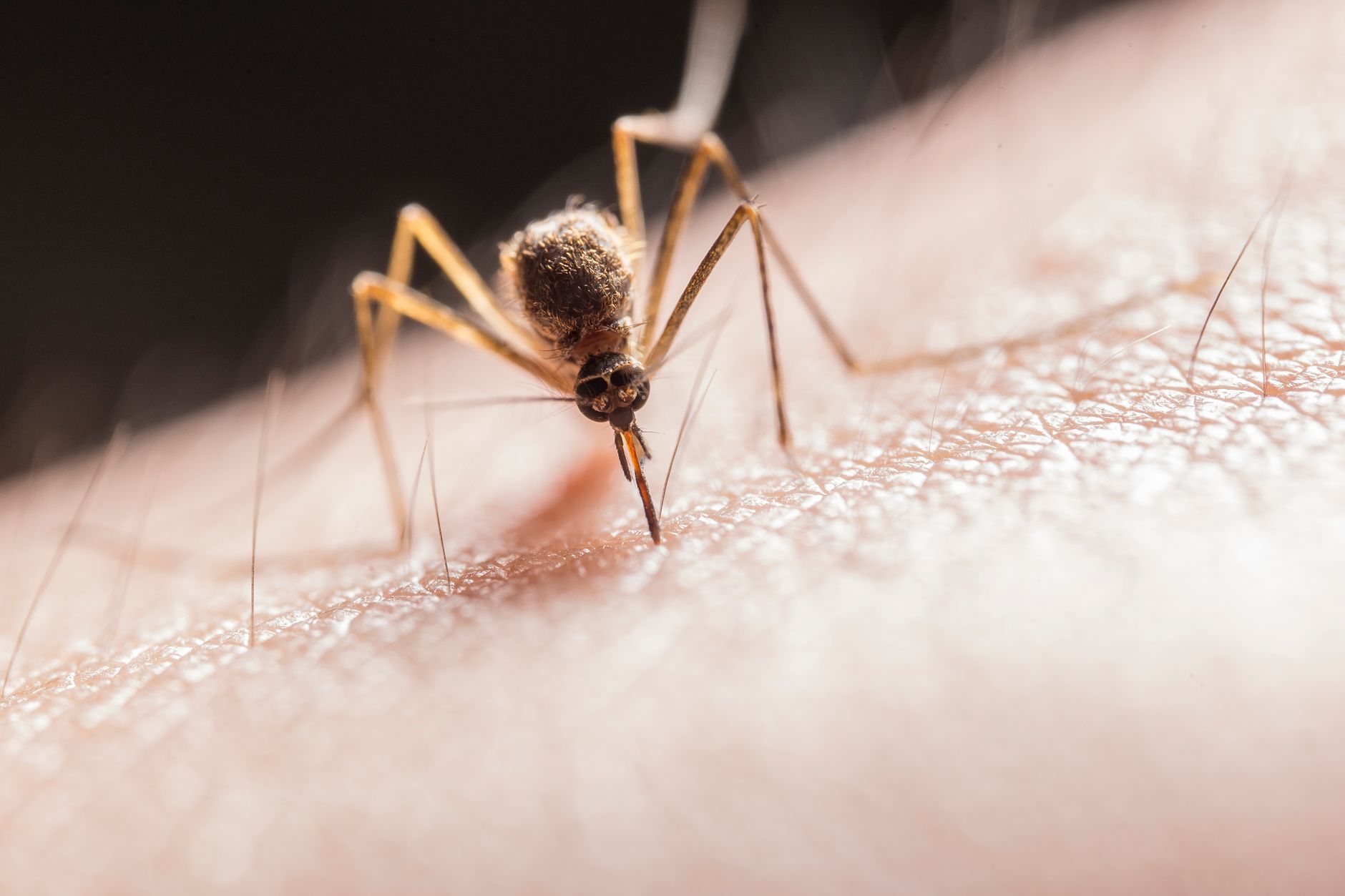
Dengue fever remains one of India's most pressing public health challenges. The mosquito-borne viral infection affects millions of Indians annually, with cases typically surging during and after monsoon seasons. The disease, transmitted primarily by the Aedes aegypti mosquito, causes high fever, severe headache, joint and muscle pain, and in severe cases, can lead to dengue hemorrhagic fever or dengue shock syndrome, which can be fatal.
India reports hundreds of thousands of dengue cases every year, though experts believe the actual numbers are significantly higher due to underreporting and misdiagnosis. Urban and semi-urban areas with poor sanitation and standing water accumulation are particularly vulnerable to dengue outbreaks.
What Makes Qdenga Unique
Qdenga is a live-attenuated tetravalent vaccine, meaning it provides protection against all four serotypes of the dengue virus (DENV-1, DENV-2, DENV-3, and DENV-4). This is crucial because infection with one serotype doesn't provide immunity against the others, and subsequent infections with different serotypes can increase the risk of severe dengue.
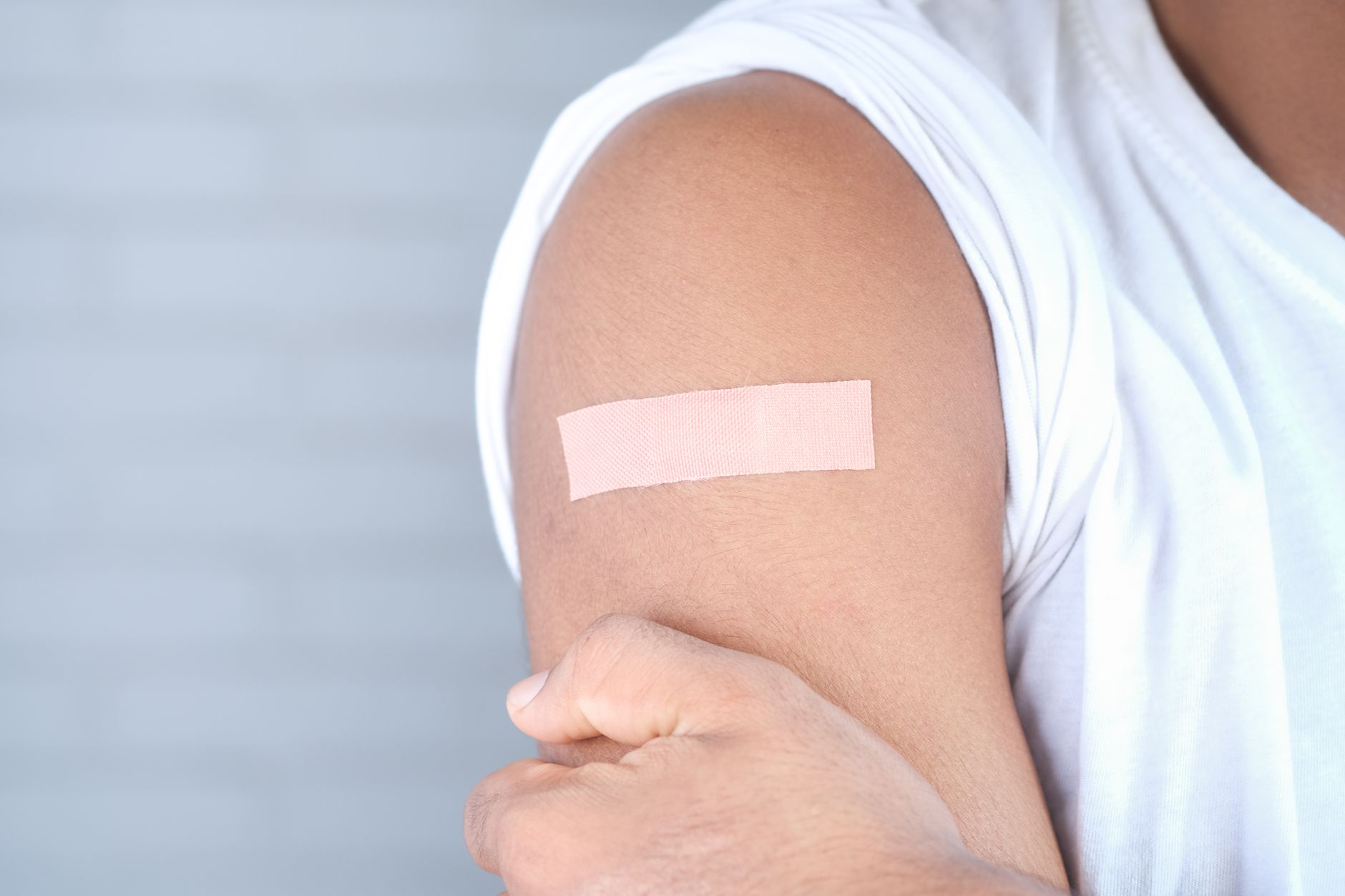
The vaccine is administered in two doses, given three months apart. Clinical trials have demonstrated its efficacy in reducing symptomatic dengue cases and hospitalizations. Unlike some earlier dengue vaccine candidates, Qdenga has shown effectiveness regardless of whether the recipient has had previous dengue exposure.
Global Experience with the Vaccine
Before India's approval, Qdenga had already received regulatory clearance in several countries across Europe, Asia, and Latin America. The European Union approved it in 2022, and countries like Indonesia, Thailand, and Brazil have also authorized its use. This global adoption has provided reassurance about the vaccine's safety profile and effectiveness.
Clinical trial data spanning multiple countries has shown that Qdenga can reduce the overall incidence of symptomatic dengue by a significant margin and substantially decrease hospitalizations due to dengue infection.
Who Should Consider Getting Vaccinated
The DCGI approval covers individuals aged 4 to 60 years residing in dengue-endemic areas. Given India's widespread dengue burden, this essentially encompasses most urban and semi-urban populations across the country. The vaccine is expected to be particularly beneficial for:
- Children and adolescents who face repeated dengue exposure
- Adults living in high-risk areas with annual dengue outbreaks
- Individuals with occupations requiring outdoor work in dengue-prone regions
- People with previous dengue infections seeking protection against other serotypes
Limitations and Considerations
While this approval is welcome news, it's important to understand that Qdenga is not a silver bullet solution. No vaccine offers 100% protection, and dengue prevention still requires a comprehensive approach. The vaccine works best as part of an integrated strategy that includes:
- Vector control measures to reduce mosquito breeding
- Personal protection through mosquito repellents and protective clothing
- Environmental management to eliminate standing water
- Community awareness and participation in dengue prevention
Additionally, the vaccine's cost and availability will determine how widely it can be deployed across India's diverse socioeconomic landscape. Pricing details have not been publicly announced yet, but accessibility will be crucial for making a population-level impact.
Looking Ahead
The approval of Qdenga represents a new tool in India's arsenal against dengue, but successful implementation will require coordination between government health programs, healthcare providers, and communities. Questions about including the vaccine in public immunization programs, insurance coverage, and distribution logistics will need to be addressed in coming months.
For now, individuals in high-risk areas should consult healthcare providers about whether vaccination is appropriate for them. As with any new medical intervention, ongoing monitoring of real-world effectiveness and safety will continue even after approval.
This article is for general information purposes only and should not be considered medical advice. Individuals should consult qualified healthcare professionals to determine whether dengue vaccination is appropriate for their specific circumstances and health conditions.