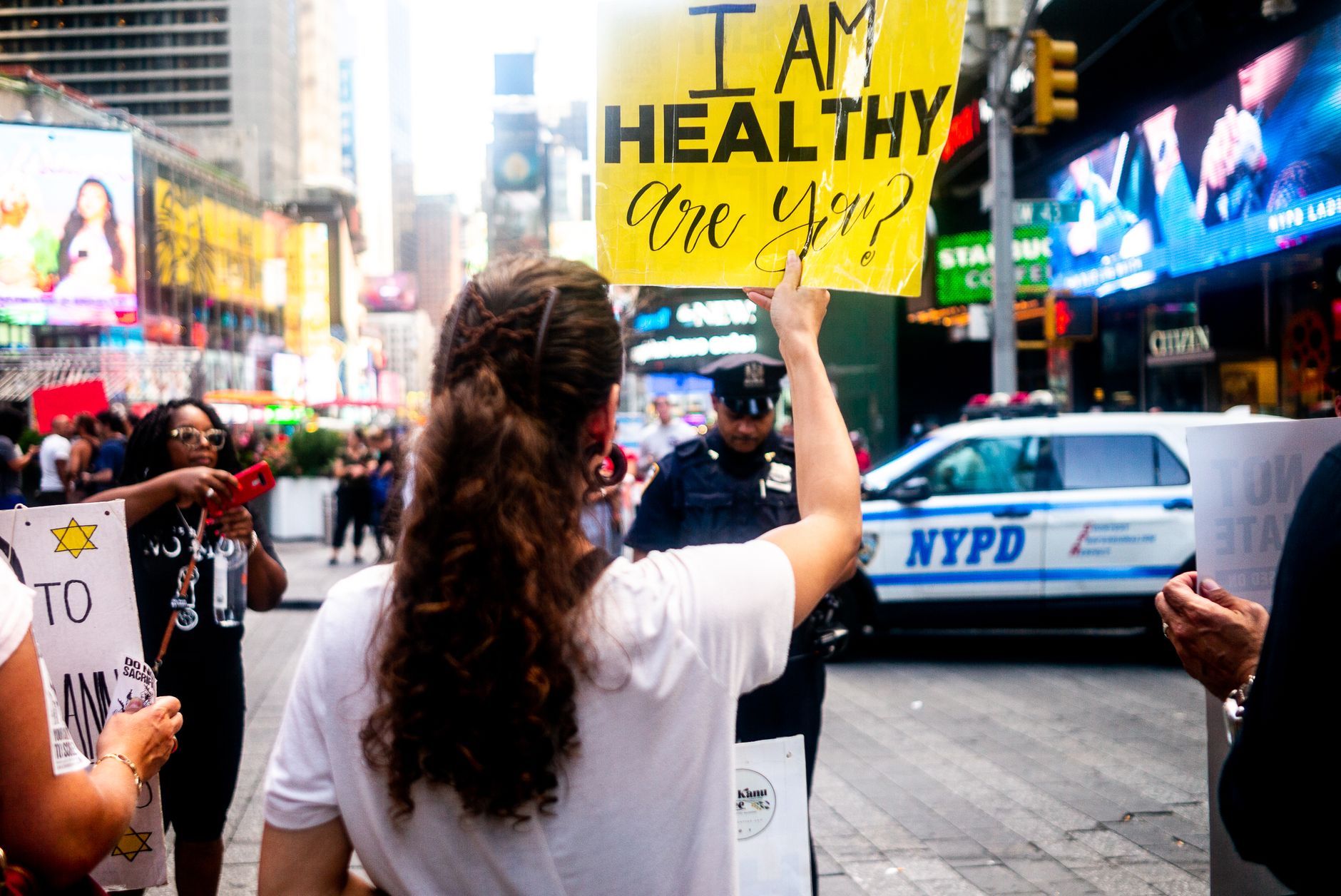
Hunger strikes have long been a powerful form of non-violent protest in India, with deep roots in the country's independence movement. When activists choose to stop eating as a form of demonstration, they put their bodies on the line to draw attention to causes they believe in. However, this extreme form of protest comes with serious health consequences that escalate rapidly as days turn into weeks.
The Physical Toll of Prolonged Fasting
The human body is remarkably resilient, but it requires regular nutrition to function properly. When food intake stops completely, a cascade of physiological changes begins almost immediately.
During the first 24-72 hours of a hunger strike, the body depletes its glucose stores and begins breaking down glycogen from the liver and muscles. Most people experience headaches, fatigue, dizziness, and irritability during this initial phase. Blood sugar levels drop, causing weakness and difficulty concentrating.
After three days, the body enters a state called ketosis, where it starts burning fat for energy. This metabolic shift can cause nausea, bad breath, and increased fatigue. The immune system begins to weaken, making the person more susceptible to infections.
Critical Health Risks After One Week
As a hunger strike extends beyond one week, serious health complications emerge. The body begins breaking down muscle tissue for protein, including heart muscle. This can lead to dangerous heart rhythm abnormalities and potential cardiac arrest.
Key health risks include:
- Severe electrolyte imbalances affecting heart and brain function
- Dramatic drops in blood pressure leading to fainting and organ damage
- Vitamin and mineral deficiencies causing neurological problems
- Kidney and liver dysfunction
- Weakened bones and loss of muscle mass
- Compromised immune system increasing infection risk
- Cognitive impairment and confusion
Medical experts warn that after approximately three weeks without food, permanent organ damage becomes likely. The exact timeline varies based on the individual's starting health, body composition, hydration levels, and whether they consume any liquids.
Why Activists Choose This Extreme Measure
Despite the severe health risks, hunger strikes remain a common protest tactic in India for several compelling reasons. The practice carries historical weight, famously employed by Mahatma Gandhi during the independence movement to pressure British authorities and unite Indian communities.
A hunger strike generates immediate media attention and public sympathy. The visible suffering of the protester creates moral pressure on authorities or opponents to address the demands. It demonstrates the depth of commitment to a cause, signaling that the activist is willing to sacrifice their own life.
For activists advocating for students, workers, or marginalized communities, hunger strikes can amplify voices that might otherwise go unheard. The dramatic nature of the protest forces public discourse and can mobilize broader support.
Medical Intervention and Ethical Dilemmas
When hunger strikers' health deteriorates critically, authorities and medical professionals face difficult ethical questions. Force-feeding is generally considered a violation of human rights and bodily autonomy, yet allowing someone to die raises equally serious moral concerns.
Many jurisdictions have protocols for monitoring hunger strikers' vital signs and offering medical care, even if the striker refuses food. Family members often become caught between respecting the activist's convictions and fearing for their life.
The Role of Public and Media Attention
The effectiveness of a hunger strike often depends on sustained public and media coverage. Social media has transformed how these protests unfold, allowing real-time updates on the striker's condition and amplifying demands to broader audiences.
However, this visibility also creates pressure on all parties involved. Authorities may feel compelled to respond before the situation becomes fatal, while activists face the burden of maintaining their strike long enough to achieve results.
Alternative Forms of Protest
Health experts and civil rights advocates often encourage consideration of alternative protest methods that don't risk permanent harm or death. Sit-ins, mass demonstrations, legal challenges, and media campaigns can also generate attention and pressure for change without the extreme health risks.
The choice to undertake a hunger strike remains deeply personal, rooted in individual conviction and assessment of what a cause demands. Understanding both the health consequences and historical context helps the public make informed judgments about such protests.
This article is for general information purposes only and does not constitute medical advice. Anyone experiencing health concerns or considering extreme fasting should consult qualified healthcare professionals immediately.